
Warm work shoes
Do you work outside or in a cold warehouse? Compare warm work shoes and winter work shoes here – from insulated to water-repellent – and quickly choose the right safety class for your job.
Use the filters to select by size, safety class (like S1P or S3), insulated/non-insulated, and waterproof. This way, you can immediately see which work shoes for the cold fit your workday and surface.
16 résultats
Filtres populaires
S7S
+ 1 couleurs
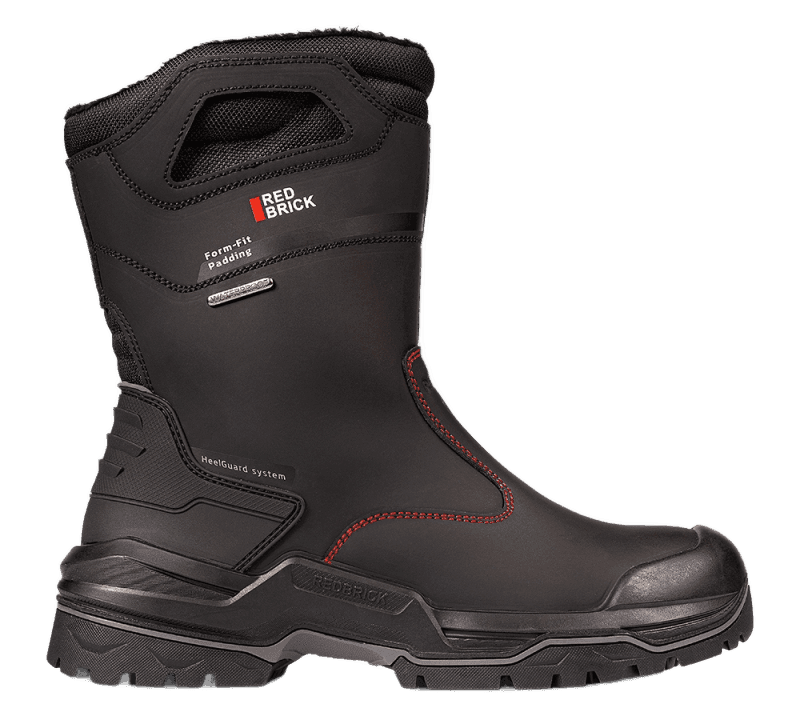
Redbrick Boot Black Lined
Advanced FitNon-slip gripWaterproof & warm
€ 124,95
€ 103,26 excl. TVAS3
+ 1 couleurs
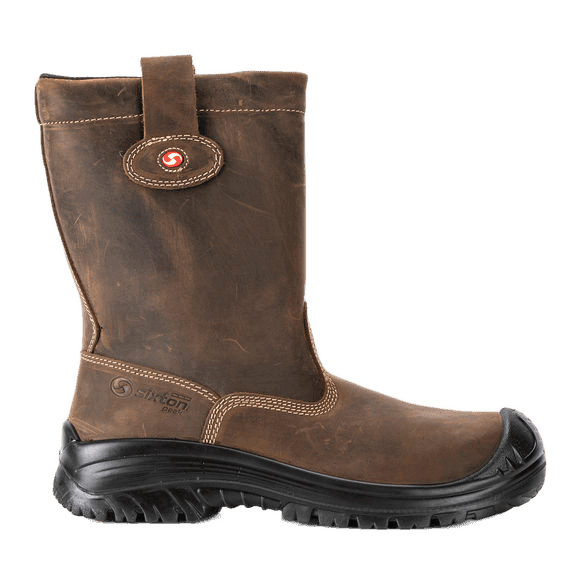
Sixton Montana Wool Dark Brown
Wool linedMetal freeSturdy leather
€ 134,95
€ 111,53 excl. TVA
Quelle chaussure de travailte convient ?
S3
+ 1 couleurs
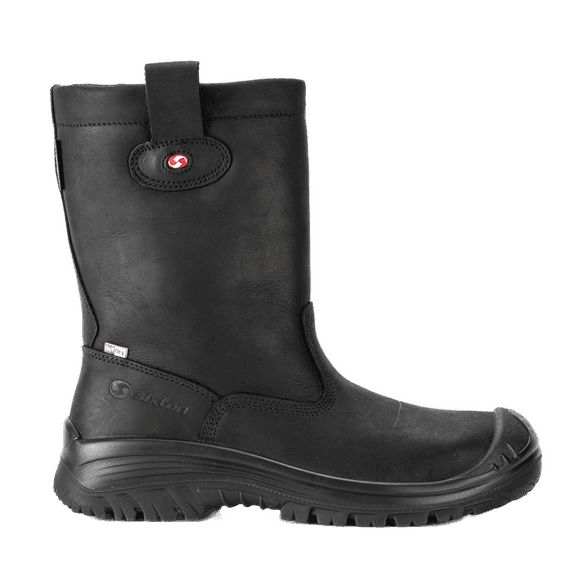
Sixton Montana HDry Wool Black
Metal-freeWool liningHDry membraneOiled leather
€ 169,95
€ 140,45 excl. TVAS3
+ 1 couleurs
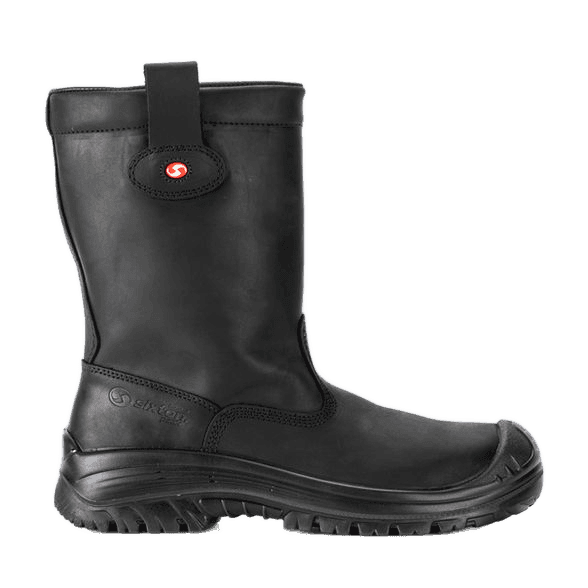
Sixton Montana Wool Black
Metal-freeWool liningOiled leather
€ 134,95
€ 111,53 excl. TVAS7S
Onze keuze
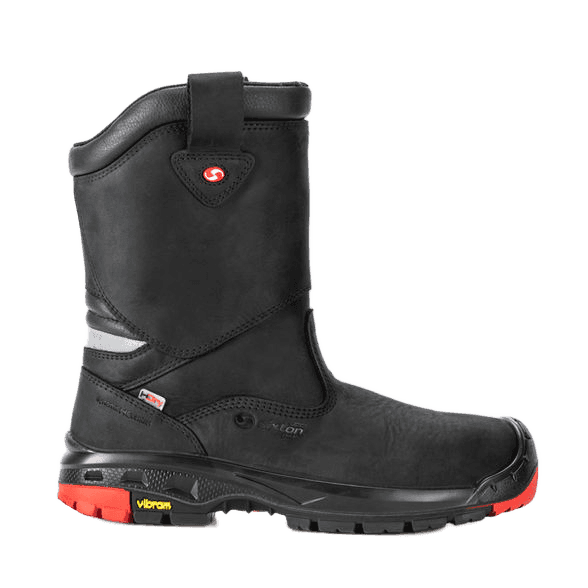
+ 1 couleurs
Sixton Canyon HDry Wool Black
Vibram soleWool liningHDry membrane
€ 204,95
€ 169,38 excl. TVA
S3
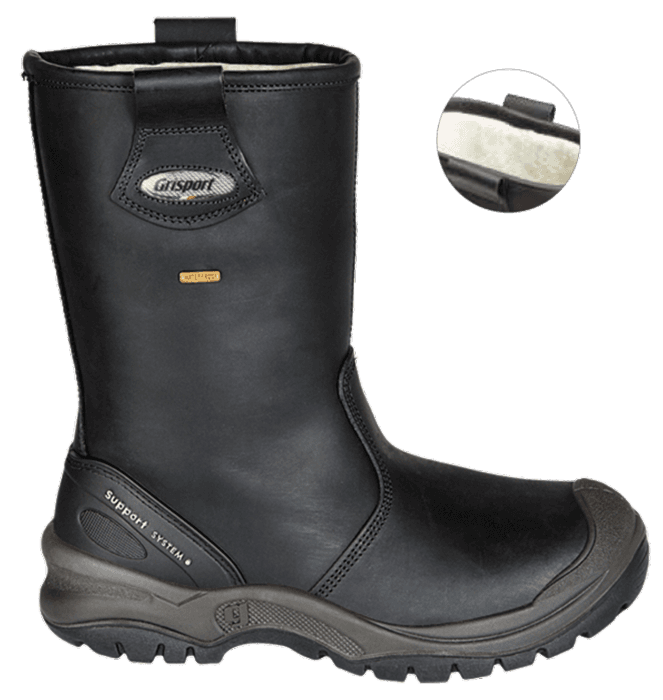
Grisport Safety Boot Wool 72401C Black
Wool liningKevlar insoleSympatex lining
€ 142,95
€ 118,14 excl. TVAChoosing winter work shoes
Good winter work shoes do two things: they keep the cold from the ground out and remain comfortable whether you're standing still or walking all day. So, pay attention not only to 'lined' but also to the standards, the sole, and how much grip you need.
What does CI mean for work shoes?
CI stands for Cold Insulation: extra insulation against cold from the ground. In practice, you notice this especially on cold concrete floors, scaffolding, wet grass, or frozen ground. CI indicates insulation through the sole, not a warm lining around your foot.
Temperature advice: what warmth do you need?
- Above 5°C: often unlined is fine, especially if you're moving a lot; focus on grip and water repellency.
- Between 5°C and 0°C: CI is smart, and a light lining or warm insole makes a difference when standing still for long periods.
- Between 0°C and -10°C: lined work shoes or lined work boots are often more comfortable, especially for outdoor work.
- Colder than -10°C: go for a combination of CI + lining + waterproof/windproof construction; also consider thermal (dry) socks and enough toe space.
Practical checks before you choose
- Grip: a rough profile helps on mud, wet tiles, and snow remnants.
- Space: prefer a bit more toe space so air can insulate and your socks don't pinch.
- Safety class: for outdoor work and wet surfaces,S3 work shoes are often a logical choice due to the combination of protection and water-repellent properties.
Lined vs unlined work shoes
Are you unsure between lined work shoes and unlined models? It comes down to your workplace (indoors/outdoors), how much you sweat, and how often your shoes get wet.
Lined work shoes: when to choose them?
- If you spend a lot of time outside or driving (forklift/tractor) and notice poor circulation in your feet when it's cold
- If you often work on cold floors (concrete, steel, dock)
- If you prefer to wear one warm all-round shoe in winter
Common insulation materials include synthetic linings (light and warm quickly), fleece-like linings (soft and comfortable), and insulating layers in the sole or insole. If you want extra warmth around your calf and shin, also look atlined work boots.
Unlined work shoes: when is it smarter?
- If you mainly work indoors and only walk short distances outside
- If you move a lot and quickly get warm feet
- If your shoes often get wet and you want to dry them quickly
Unlined can still be 'warm enough' if you choose CI, a good insole, and the right socks. This often feels less stuffy during long shifts.
Are lined work shoes also waterproof?
No, lining and waterproofing are two different things. A shoe can be lined without a waterproof membrane, and vice versa. If you really want dry feet in rain, puddles, or wet grass, specifically choosewaterproof work shoes (often with a membrane and taped seams).
Warm work shoes by profession
The best warm work shoes depend on where you work: outdoor in weather and wind requires something different than indoors in a warehouse. Therefore, choose based on your profession and work environment.
Outdoor professions (cold, wind, dampness)
- Construction and deconstruction: preferably choose S3 with a sturdy profile and (in very cold conditions) a lining; CI is a plus on cold floors and scaffolding
- Infrastructure and earthworks: go for grip and water repellency, and consider lined if you stand still a lot
- Landscaping: look atwork shoes for gardeners if you often work in wet grass, mud, and fluctuating temperatures
Indoor professions (cold floor, drafts, a lot of walking)
- Logistics and warehouse: often unlined with CI is ideal; you stay agile and prevent overheating
- Workshops and production: pay attention to anti-slip and comfort for long days; add warmth with socks or an insulating insole
- Cold storage: prefer lined and CI, and ensure enough space for thicker socks
Quickly to the right category
- Want to compare more broadly? Check allwork shoes and filter on winterproof properties (CI, waterproof, lining, high model)
- Looking for extra protection against moisture and cold together? Combine waterproof + CI + (optional) lining
Check the models above, filter based on your requirements, and choose the warm work shoes that will keep you comfortable and safe through the winter.
Questions fréquentes sur Warm work shoes
Usually, these are insulated winter work shoes or work boots with a combination of lining and CI insulation in the sole. How warm the model feels also depends on toe space, socks, and whether you are standing still a lot.
CI means that the shoe provides extra insulation against cold from the ground, especially through the sole. It helps on cold concrete floors and outside on frozen or wet ground, but it is not a guarantee for a warm lining around your foot.
No, not automatically. A lining provides warmth, while waterproofing depends on the upper material, a membrane, and the finishing of seams and tongue. Choose waterproof specifically if you often work in rain, puddles, or wet grass.