Aller au contenu
Livraison gratuite aux Pays-Bas9.2 sur 65 avisCommandé avant 13h, expédié aujourd'hui

Low work shoes for women

Are you looking for maximum freedom of movement at work? Our collection of low safety shoes for women combines a specific women's fit with necessary protection. From sporty sneakers to smart models: find the ideal, lightweight work shoe here that keeps your feet comfortable all day long.
39 résultats
Filtres populaires

Low Safety Shoes for Women

In the past, the selection of work shoes for women was limited to smaller sizes of men's models. Fortunately, that is a thing of the past. In this category, you will find safety shoes specifically developed for women with a low model. These shoes are designed on a women's last, which means they are not only safer because they fit better, but they also feel much more comfortable. A low model is the ideal choice for those who walk a lot, need to kneel regularly, or are simply looking for a shoe that feels less bulky than a traditional work boot.

Why choose a low model work shoe?

The choice between high or low often depends on your work environment and personal preference. Low work shoes for women offer one big advantage: freedom of movement around the ankle. This is very pleasant for professions where you have to bend down, kneel, or drive, such as in logistics, healthcare, or transport. Additionally, low models are often lighter in weight and ventilate better than high shoes. Are you looking for a model that is suitable for men or has a wider fit? Then also check out our general category low work shoes.

The importance of the right fit

A common mistake is buying a unisex work shoe in a small size. Women's feet are anatomically different; they are often narrower at the heel and the instep. A shoe that is too wide causes friction, leading to blisters and instability. Our low safety shoes fit snugly to the foot, which is essential for protection. If your foot slides in the shoe, the steel or composite toe cap works less effectively in the event of an impact.

Sporty and fashionable at work

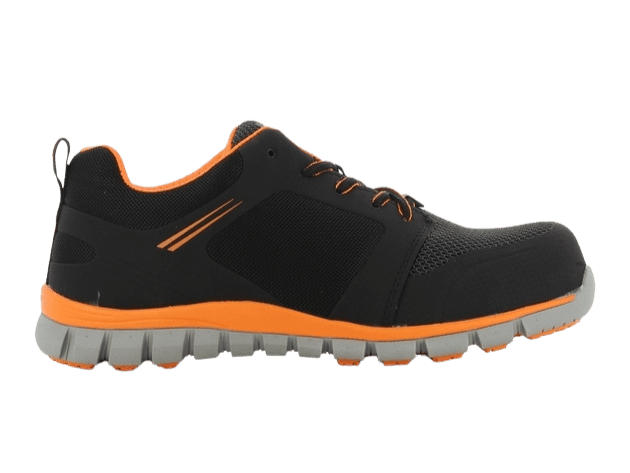
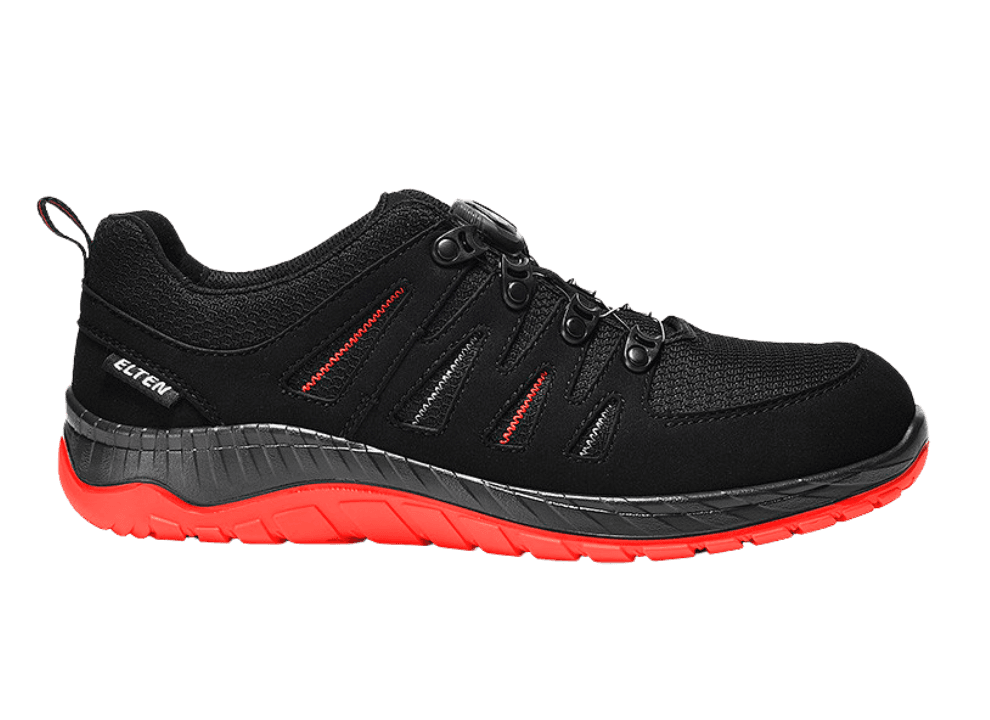
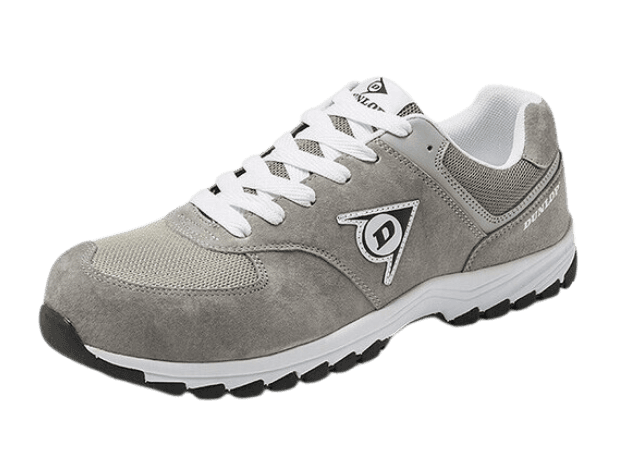
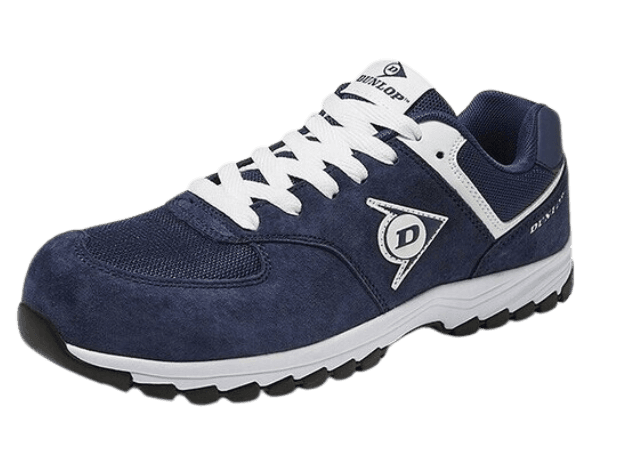
Safety doesn't have to come at the expense of appearance. Many women want to quickly do some shopping after work without having to change shoes immediately. The current generation of safety shoes responds perfectly to this. We see a huge increase in the popularity of the sneaker work shoes. These models look like modern sports shoes but offer the full protection of an S1P or S3 rating. For those who prefer not to tie laces and want to quickly step in and out of shoes, we also have various practical slip-on work shoes in the assortment.

When do you need more support?

Although low shoes are great for freedom of movement, they are not suitable for every situation. Do you work on a construction site with a very uneven surface, or do you walk a lot through loose sand or debris? Then the risk of rolling your ankle is greater. In that case, we recommend looking at our high women's shoes. These provide extra stability around the ankle joint and prevent dirt or water from entering the shoe from the top.

Safety classes: S1P or S3?

When choosing the right shoe, the safety standard is leading. For low women's models, we often see two classes:
  • S1P: These shoes have a safety toe and a puncture-resistant sole. They are often made of breathable textile. Ideal for indoor work in dry conditions, such as in warehouses.
  • S3: These shoes have the same properties as S1P but are also water-repellent (at least 60 minutes) and have a profiled outsole. This is the standard for work where you sometimes go outside or work in damp environments.

Questions fréquentes sur Low work shoes for women

A women's last is generally narrower, especially at the heel and forefoot. Since women's feet are anatomically shaped differently, a specific women's last provides more comfort and prevents your heel from slipping out of the shoe while walking.

Yes, generally low work shoes are lighter because less material is used for the upper. This can make a difference in leg fatigue if you cover a lot of kilometers in a day.

That depends on the certification. If you replace the original insole with your own, the official safety certification (CE marking) may become void because the remaining space in the shoe changes (for example, the distance to the steel toe). Always check if the shoe is certified for modifications or consult your podiatrist.

Absolutely. If a sneaker model carries the S1P or S3 classification, it meets the exact same strict European safety requirements as a classic, sturdy work shoe. The toe protection and sole provide the same resistance to impact and penetration.