Aller au contenu
Livraison gratuite aux Pays-Bas9.2 sur 65 avisCommandé avant 13h, expédié aujourd'hui

Ladies work shoes

Looking for women's work shoes that are comfortable all day long and match your job? Here you'll find women's work shoes in various models, safety classes, and sizes, so you can quickly choose what fits your foot and work environment.
Tip: use the filters for size, color, brand, and deals to quickly compare and create your shortlist.
77 résultats
Filtres populaires

Difference between women's and men's work shoes

Women's safety shoes are often designed on a different last (the 'foot shape' the shoe is built on). This usually means the shoe fits better around the heel, instep, and ankle, and feels less 'clunky' if you have a narrower foot.
The difference isn't just in size: the ratio between the forefoot and heel can also be different, and some models pay more attention to flexibility and cushioning tailored to a lighter body weight.

When can you still wear a men's model?

If you have a wider forefoot or want extra room at the toes, a (narrower fitting) men's model can sometimes work just fine. Pay extra attention to the heel closure: if you slip at the back, you'll get blisters or tired feet faster.

Women's work shoes by style

Every workday calls for a different mix of safety, comfort, and appearance. So first choose the model that fits your work posture (lots of walking, kneeling, standing) and then look at standards and materials.

Sporty: safety sneakers

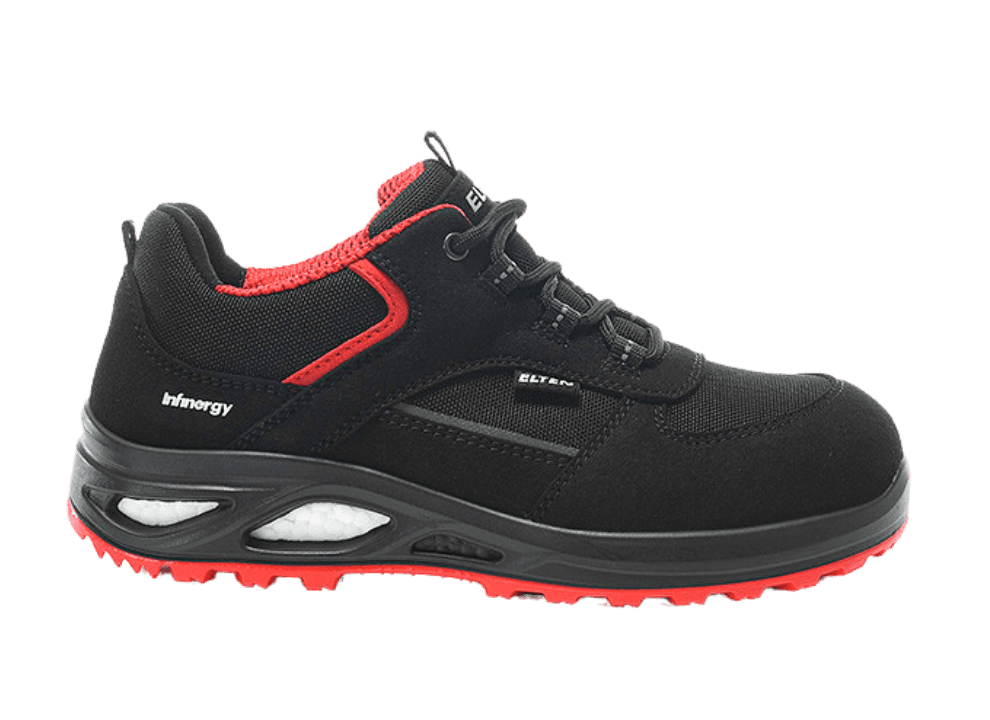
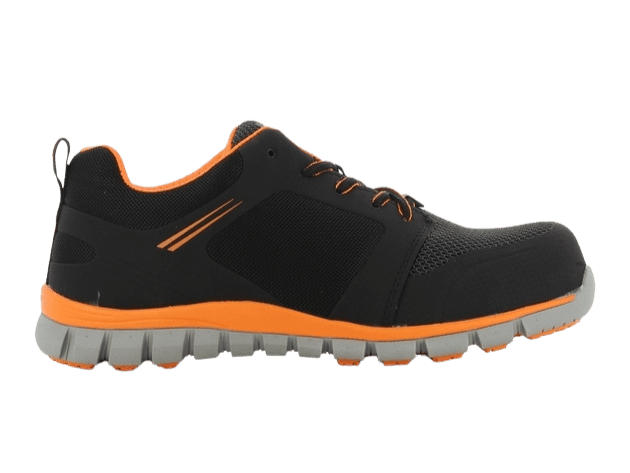
Do you want to walk light, agile, and 'sneaker-like'? Then check out the safety sneakers: ideal if you're taking many steps on a work floor or in a warehouse.

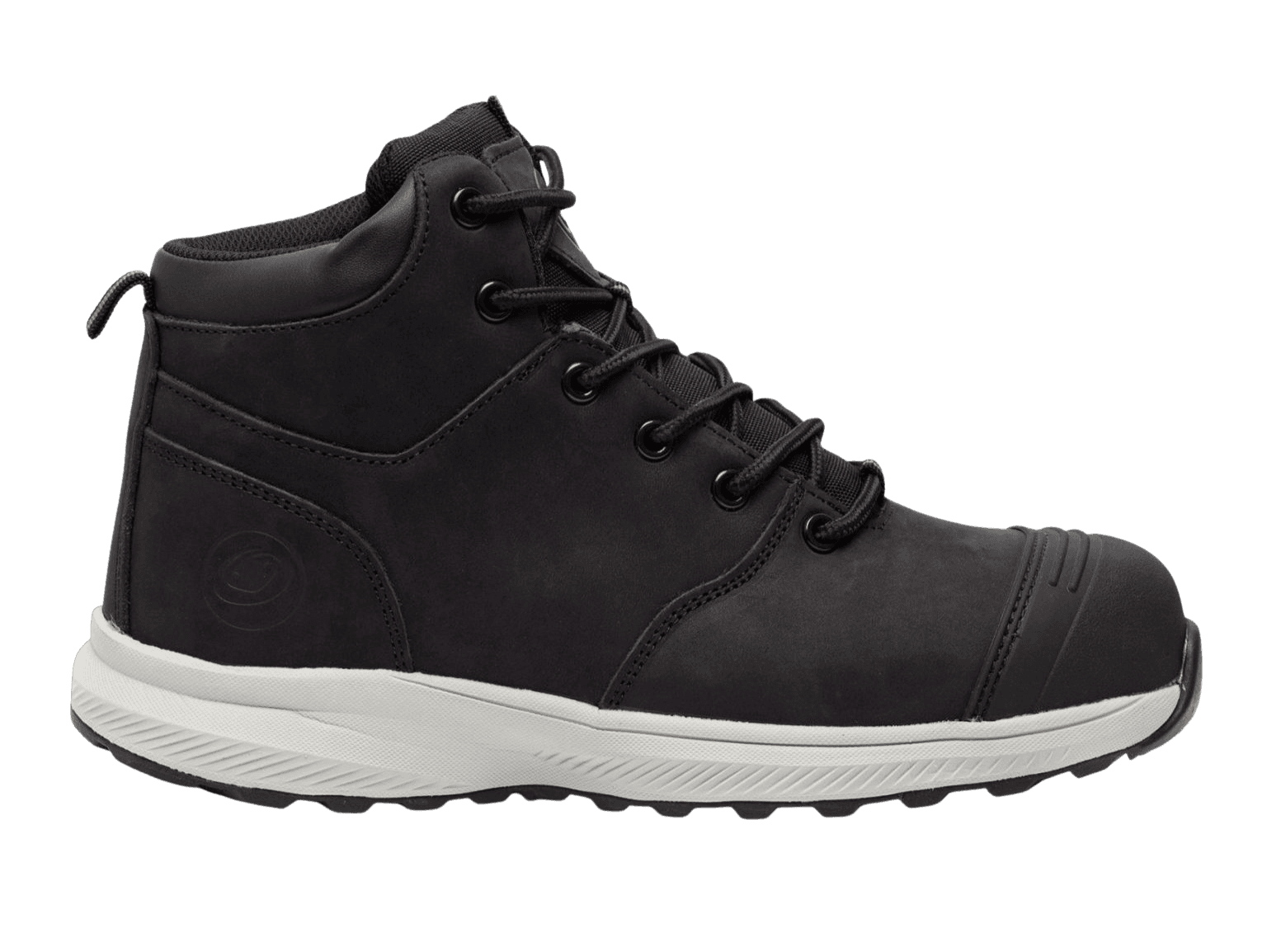
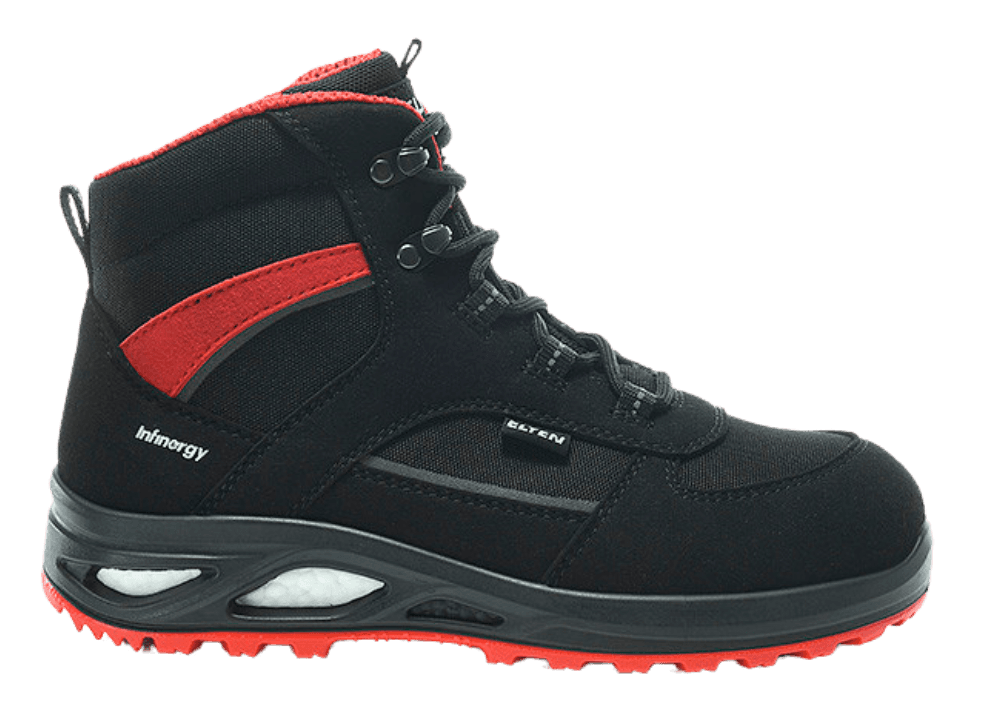
Extra support: high models

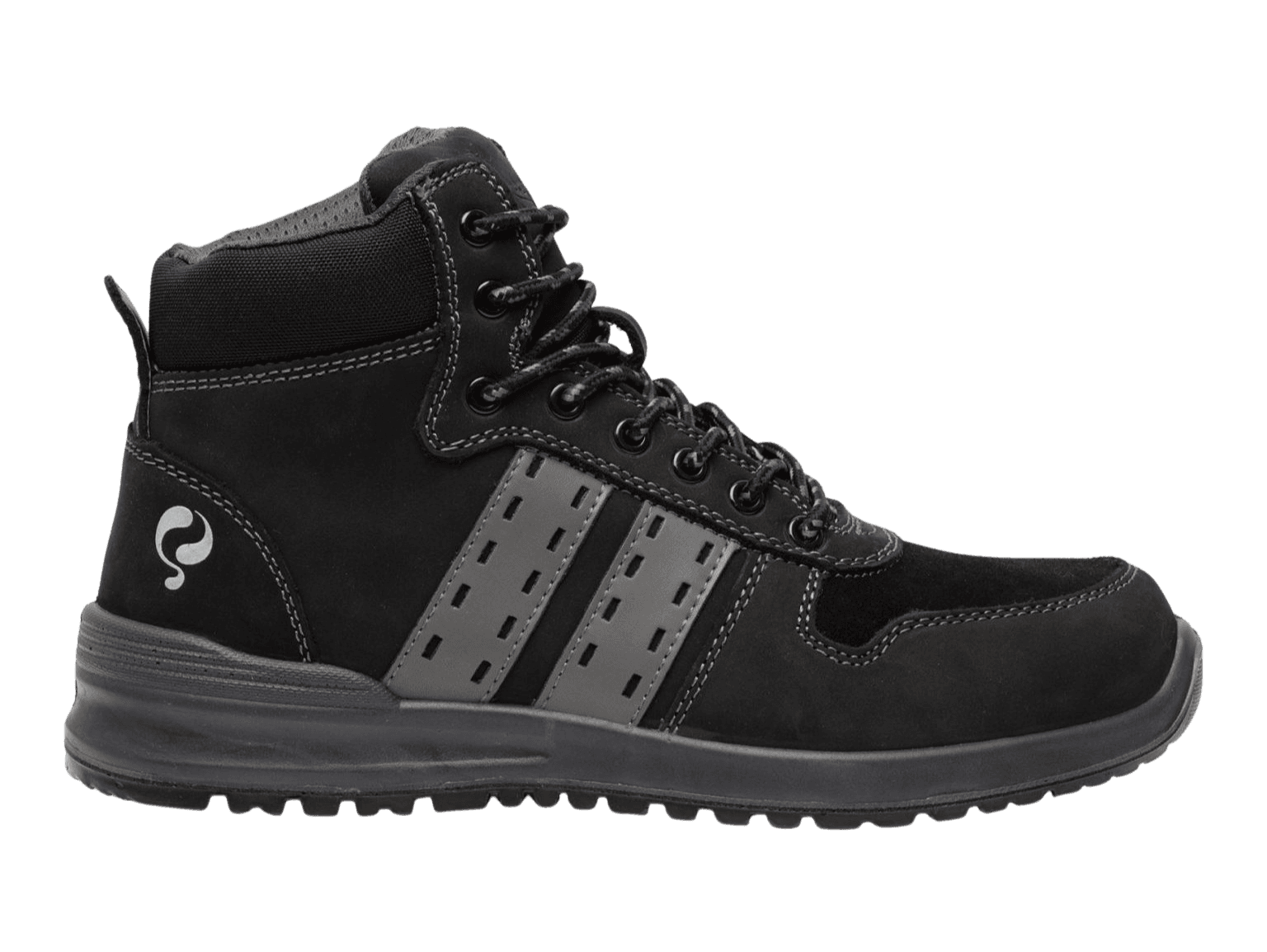
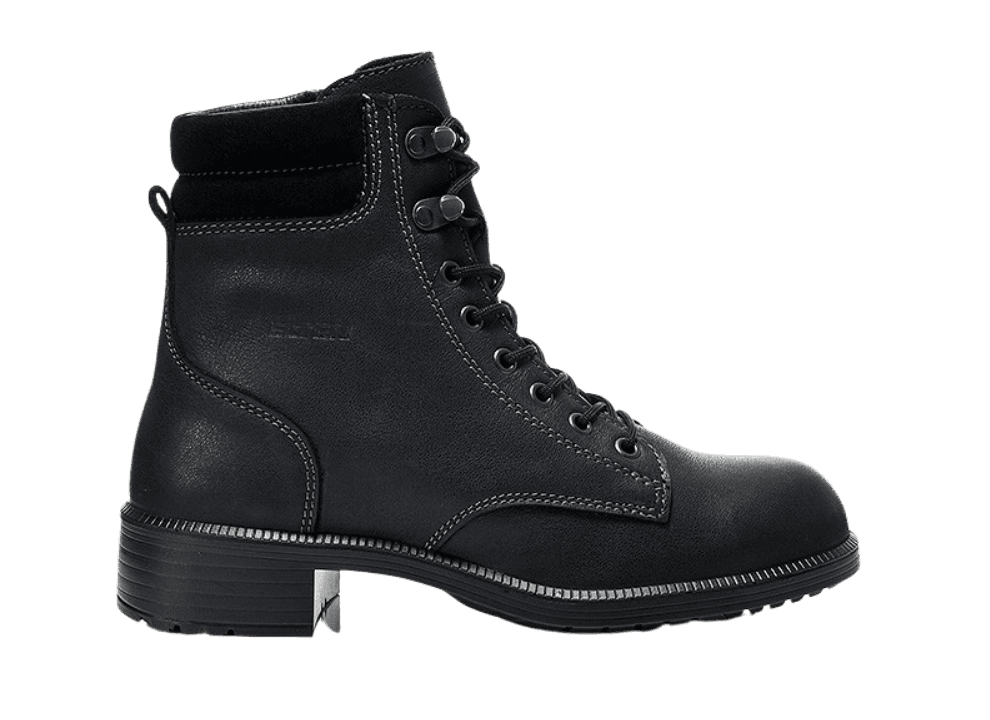
Do you work on uneven ground or want more ankle support? Then high women's work shoes are often a great choice, especially if you frequently twist, lift, or stand on rougher floors.

A lot of freedom of movement: low models

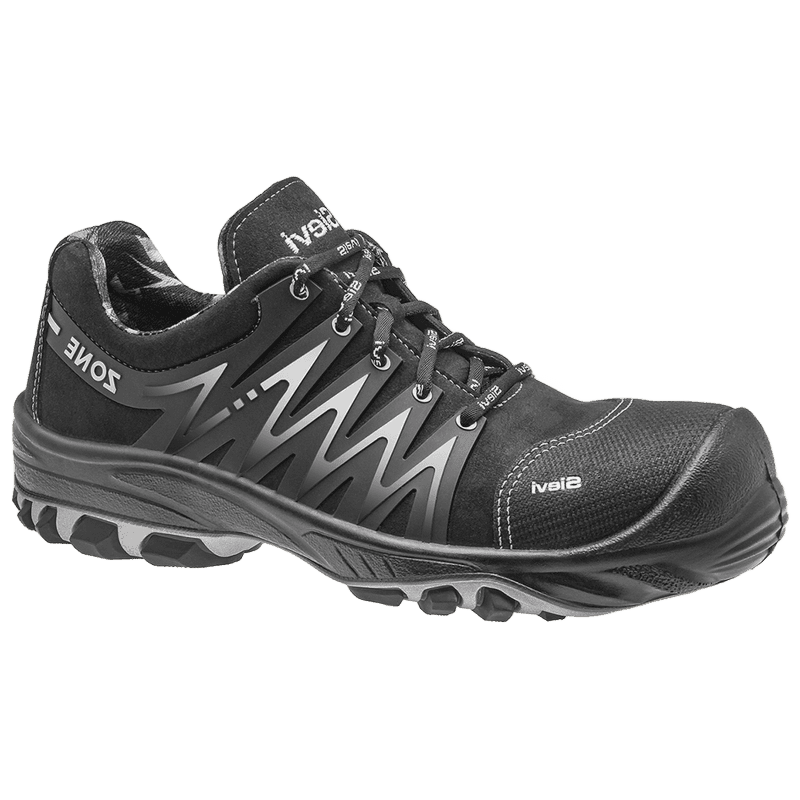
For indoor work, light logistics, or if you mainly want flexibility, low women's work shoes are popular. They slip on quickly and often feel less warm than a high model.

Trendy without compromising safety

Are you looking for trendy women's work shoes that don't look 'typical construction'? In the collection trendy work shoes you'll find models with modern colors and lines, while you simply choose based on the safety standard your job requires.

Size advice for women's work shoes

Women's work shoes should fit snugly but never pinch. Because safety shoes often fit differently than your everyday sneakers (due to toe caps, reinforcements, and thicker materials), it's worth measuring your foot properly.

How to measure your size (at home in 2 minutes)

  • Measure at the end of the day: your feet are slightly larger due to warmth and pressure.
  • Put on your work socks (or the socks you wear at work) and stand with your heel against a wall on a piece of paper.
  • Mark your longest toe and measure the distance from the wall to the mark in centimeters.
  • Allow about 0.8–1.2 cm of 'toe space' for comfort and rolling, especially if you choose women's work shoes with a steel toe.
In between two sizes? Usually choose the larger size and work with an extra insole for better cushioning and heel closure, instead of going too small (too small quickly creates pressure points at the toes and instep).

Women's work shoes by profession

The best women's work shoes are primarily: suitable for your risks. Think about the ground, moisture, the chance of falling objects, and whether you need ESD (against static discharge in sensitive environments).

Construction and outdoor work

In construction, you often want a water-repellent upper, a sturdy sole, and good grip. Quickly look at S3 work shoes if you have a chance of wetness, nails/sharp objects on the ground, and heavier loads.

Warehouse and logistics

Do you walk a lot and cover many meters? Then lighter, sporty models are often the most comfortable, with cushioning and good slip resistance (SRC) for smooth floors. Also consider a model with breathable materials if you work long shifts.

Office, workshop, and light technical work

Do you work relatively clean and dry, but still want toe protection and grip? Then a low, neat model often fits well with your day. Focus mainly on comfort (cushioning, weight, flexibility) and the standards your employer requires.

Which safety standard fits your work?

Women's safety shoes are classified into safety classes (like S1P, S2, and S3). Simply put: the heavier and wetter the conditions, the more often you end up at S3; in drier indoor work, S1P or S2 may suffice.
  • S1P: for indoor and dry environments; often with anti-perforation sole and toe protection.
  • S2: suitable for drier work environments where water repellency is important.
  • S3: extra all-round for outdoor/rough work; often combines water repellency, anti-perforation, and grip.
  • ESD: helps to discharge static electricity in a controlled manner (handy in electronics/sensitive environments).
  • SRC: slip resistance test; great if you work on smooth floors.
Are you unsure between two standards? Preferably choose the standard that truly covers your work, rather than 'just enough' — that saves wear, discomfort, and hassle on the work floor.

Comfort check: how to prevent blisters and pain

  • Pay attention to heel closure: your heel should not 'click' up and down while walking.
  • Check the instep: laces should close securely without pressure points.
  • Test the rolling: your foot should roll naturally; if the sole feels like a plank, you'll tire faster.
  • Choose the right moment: try on new women's work shoes in the afternoon/evening with work socks.
Are you looking for a model for someone else? Then you can find on the page work shoes for men the same safety, but with fits that are often built on a men's last.

Maintenance and lifespan of women's work shoes

With proper maintenance, your work shoes will remain comfortable and safe longer. Always let wet shoes dry slowly at room temperature (not on the heater) and preferably alternate if you wear them every day.
  • Clean regularly: brush off mud and dust to prevent the material from drying out.
  • Use a suitable spray or maintenance product for your upper material (leather/plastic/textile).
  • Replace insoles on time: this often makes the biggest difference in freshness and cushioning.
  • Check the sole: if the profile is smooth, you'll lose grip and therefore safety.

Questions fréquentes sur Ladies work shoes

Often yes: women's models are regularly developed on a different last, which can cause the heel, instep, and ankle to fit differently. This can lead to less slipping, fewer pressure points, and more comfort for a woman's foot.

Measure your foot in centimeters while wearing your work socks and ensure there is enough room for your toes. If you're between two sizes, it's usually better to go slightly larger than too tight, as safety shoes give less than regular shoes.

Yes, there are more and more sporty and modern models that look like sneakers or lifestyle shoes, but still meet safety standards. Pay special attention to the standards and fit: the appearance is a nice bonus, but comfort and safety must be right.

In construction, a higher safety class is often required because you deal with rough terrain, the risk of falling materials, and sharp objects on the ground. Always check which standard your employer or client mandates, and choose accordingly. Ready to choose? Check out all women's work shoes above, filter by your size and standard, and select the model that best fits your workday.