
Extra light work shoes

Puma Iconic Suede Noir Bas
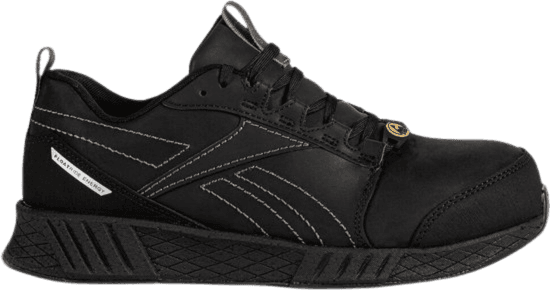
Reebok Fusion Flexweave Work 1080

Quelle chaussure de travailte convient ?
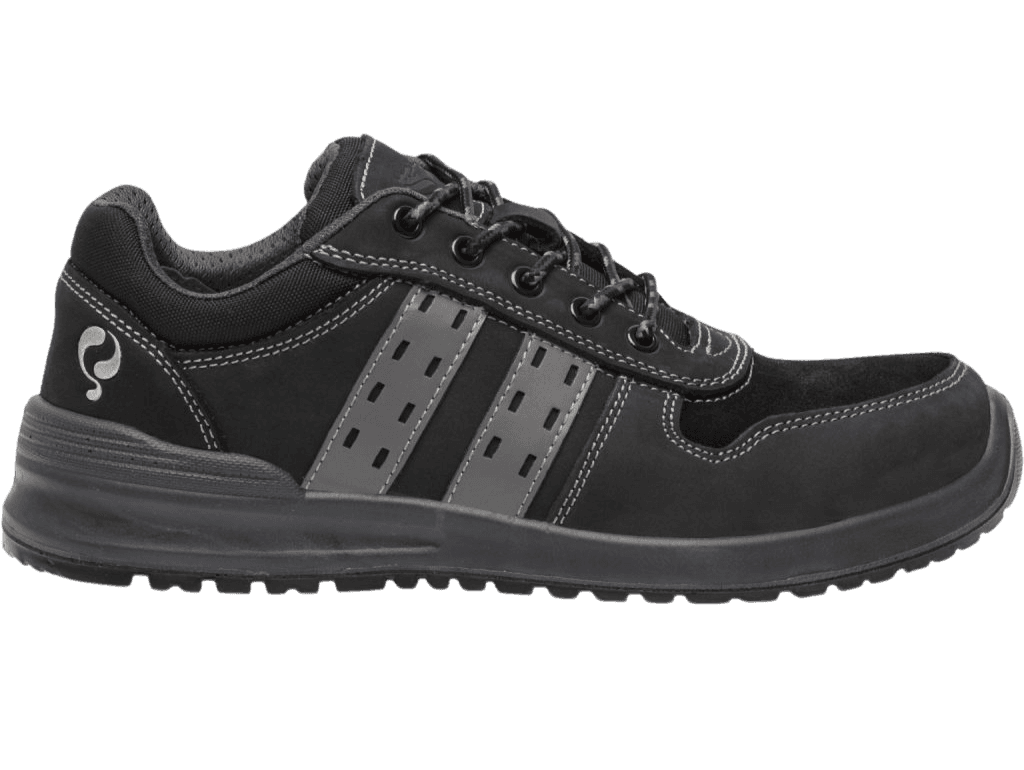
Quick Sport Black Low
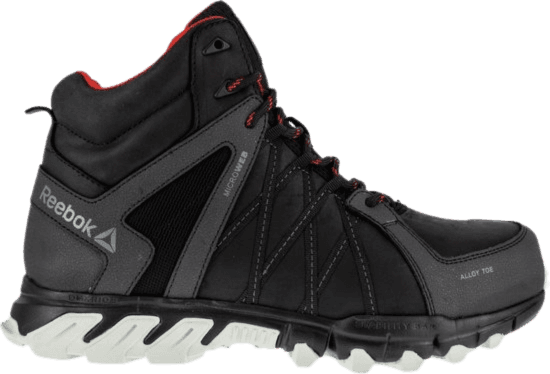
Reebok Trail Grip 1052
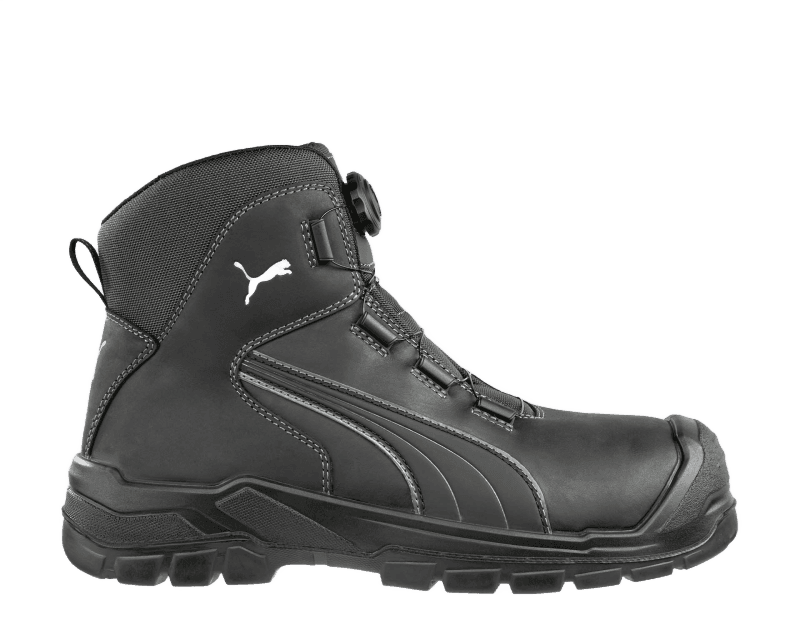
Puma Cascades DISC Mid 630211 S3
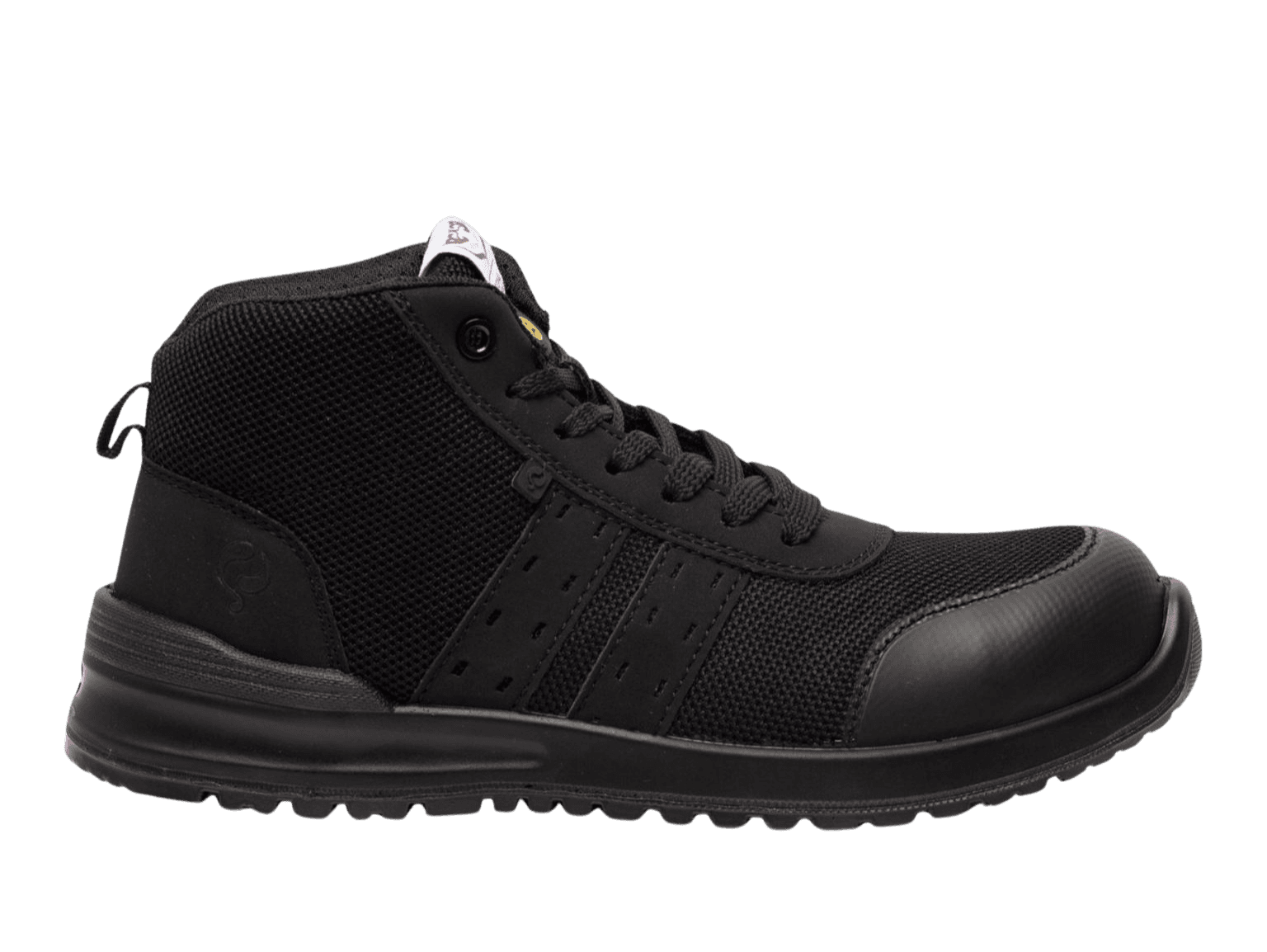
Quick Sprint Dark High
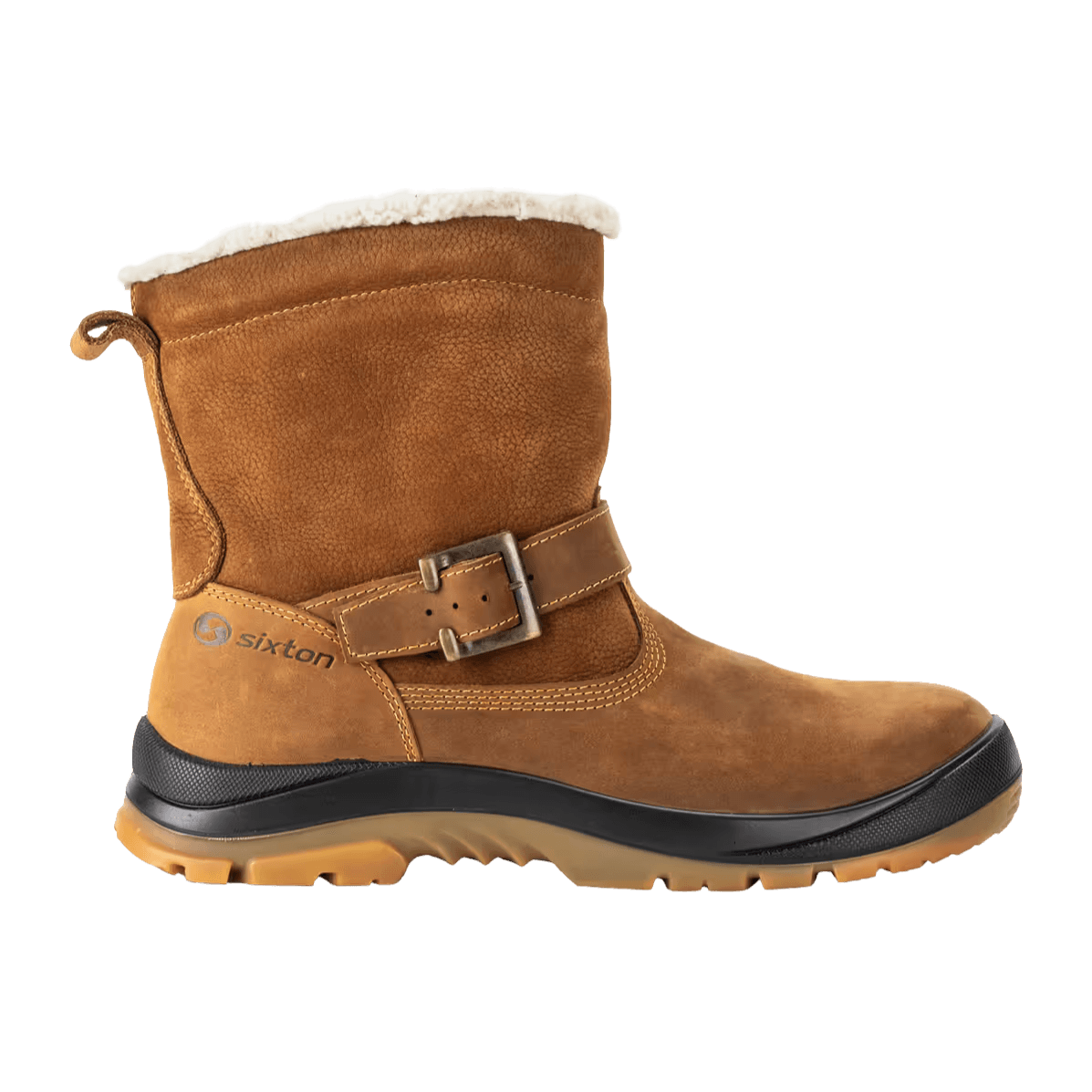
Sixton Moena Rust Brown Wool
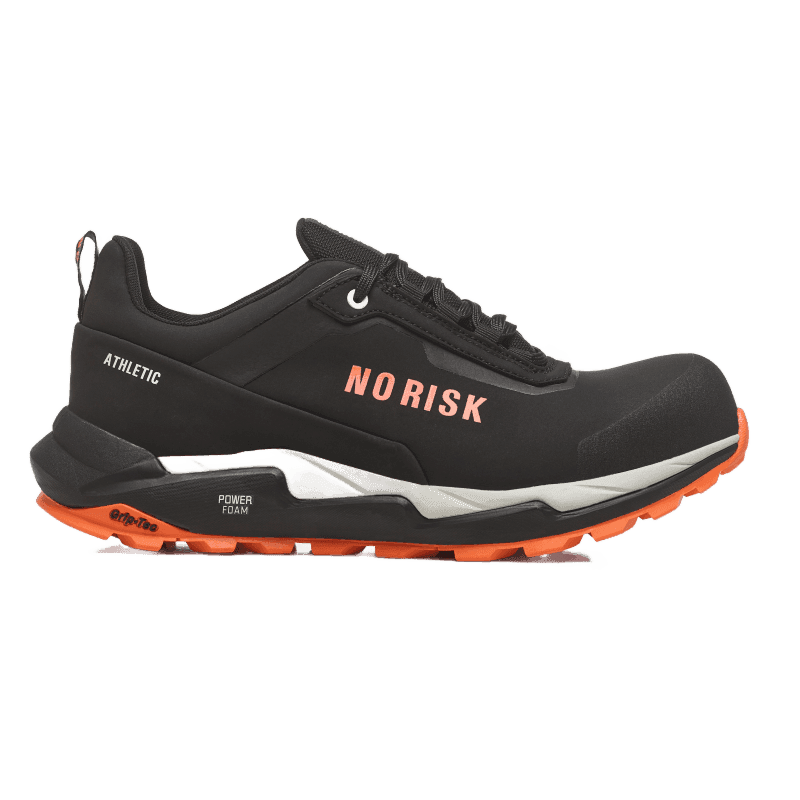
No Risk Athletic Low STX Orange
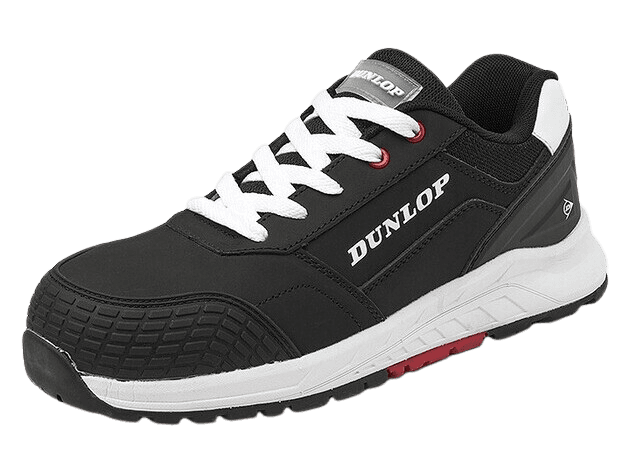
Dunlop Storm
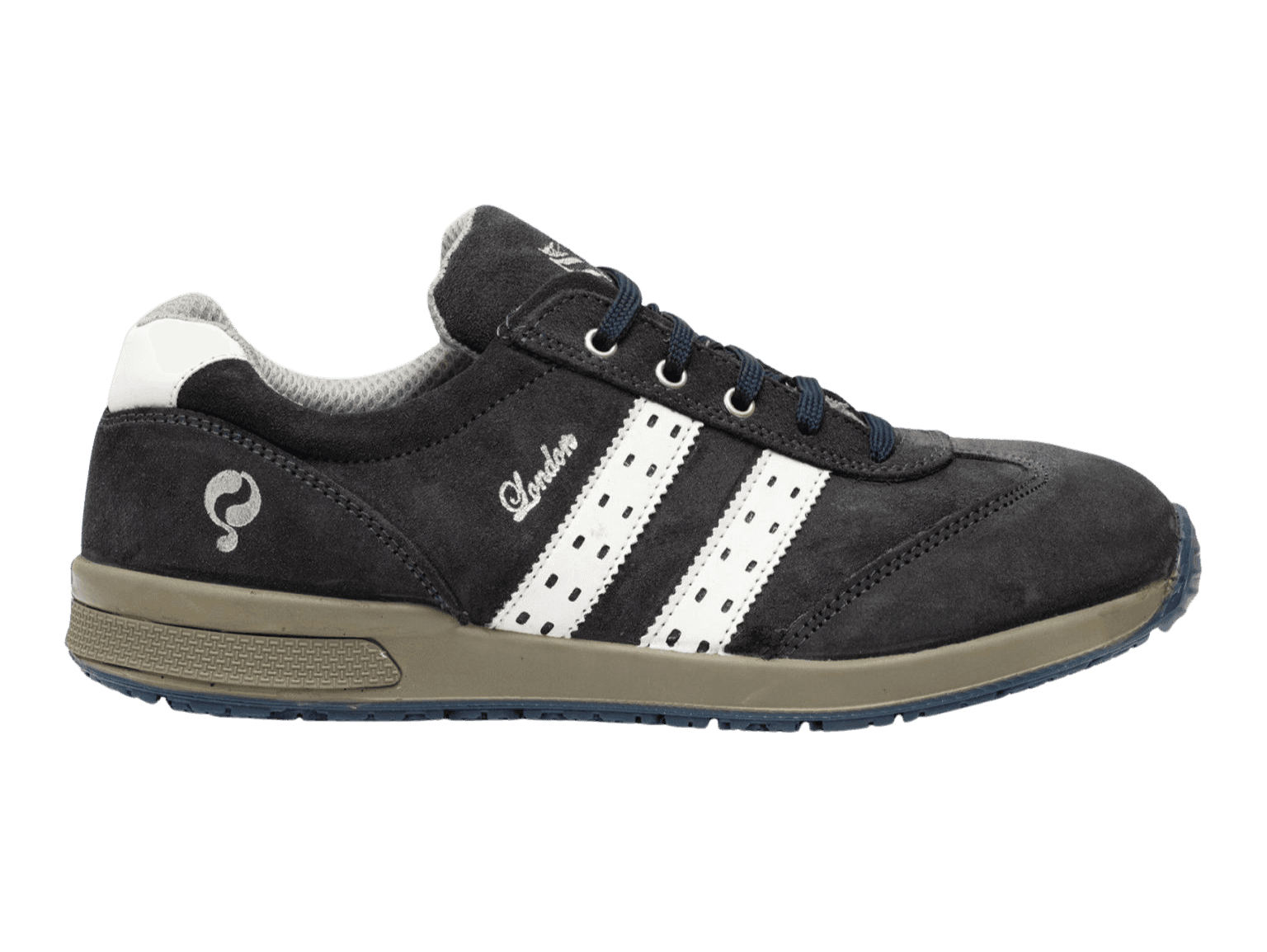
Quick London Low
How light are lightweight work shoes?
- Sixton Dance S3: 510 grams per shoe (size 42)
- Elten Runaway Black Low S3S ESD: 632 grams.
- Reebok Trail Grip 1052 S3: 652 grams.
Lightweight vs standard work shoes
Lightweight work shoes by certification
S1P lightweight (dry & indoor)
S3 lightweight (also outdoor & moisture)
Extra checks that often play a role
- ESD: dissipates static charge (handy in electronics/sensitive environments).
- SRC: slip resistance on smooth floors (great in hospitality, logistics, workshops).
Materials that make work shoes lighter
- Composite toe: often lighter than steel and feels less cold; you notice this especially on long days.
- EVA (midsole): low weight and lots of cushioning, allowing lightweight safety shoes to feel “sneaker-like.”
- Textile/mesh upper: better ventilating and lighter than full-grain leather (ideal if you get warm feet quickly).
How do you choose the right lightweight work shoes?
- First choose your certification: S1P for dry/indoor, S3 for all-round including moisture/outdoor.
- Pay attention to your working posture: a lot of walking = lower, flexible models; a lot of lifting/standing = extra cushioning and stable heel.
- Look at fit: narrow, normal, or wide; if in doubt, a removable insole helps (easy with your own soles).
- Make it practical: sort by size, set your filters, and compare 2–3 models side by side on sole type, toe, and upper.
Lightweight work shoes for men and women
Questions fréquentes sur Extra light work shoes
Yes, if the certification is the same (e.g. S1P or S3), they must meet the same safety requirements; the difference mainly lies in materials, construction, and wearing comfort.
Yes, there are S3 models that still feel light; you get water-repellent properties and tread, but with lighter materials like composite and sporty soles.
Usually, you see the biggest difference with a composite toe cap, an EVA midsole, and a textile/mesh upper instead of heavier, thicker leather constructions. Check out all the lightweight work shoes, filter by your size and standards, and choose the model that keeps you comfortable all day.
This varies by model and size, but extra lightweight safety shoes often weigh around 500–650 grams per shoe (reference size is often 42).