
Work Boots
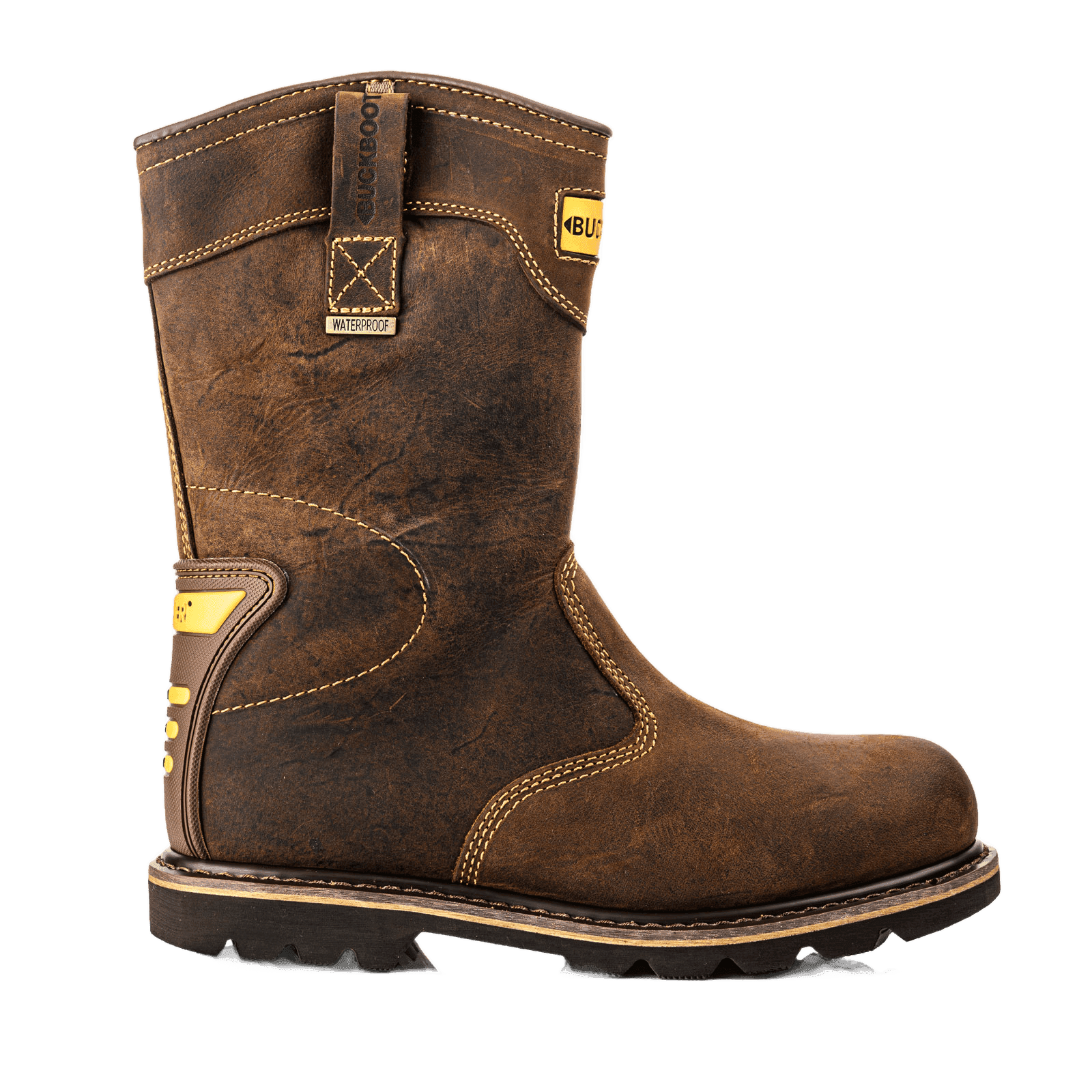
BuckBootz Work Boot B701SMWP
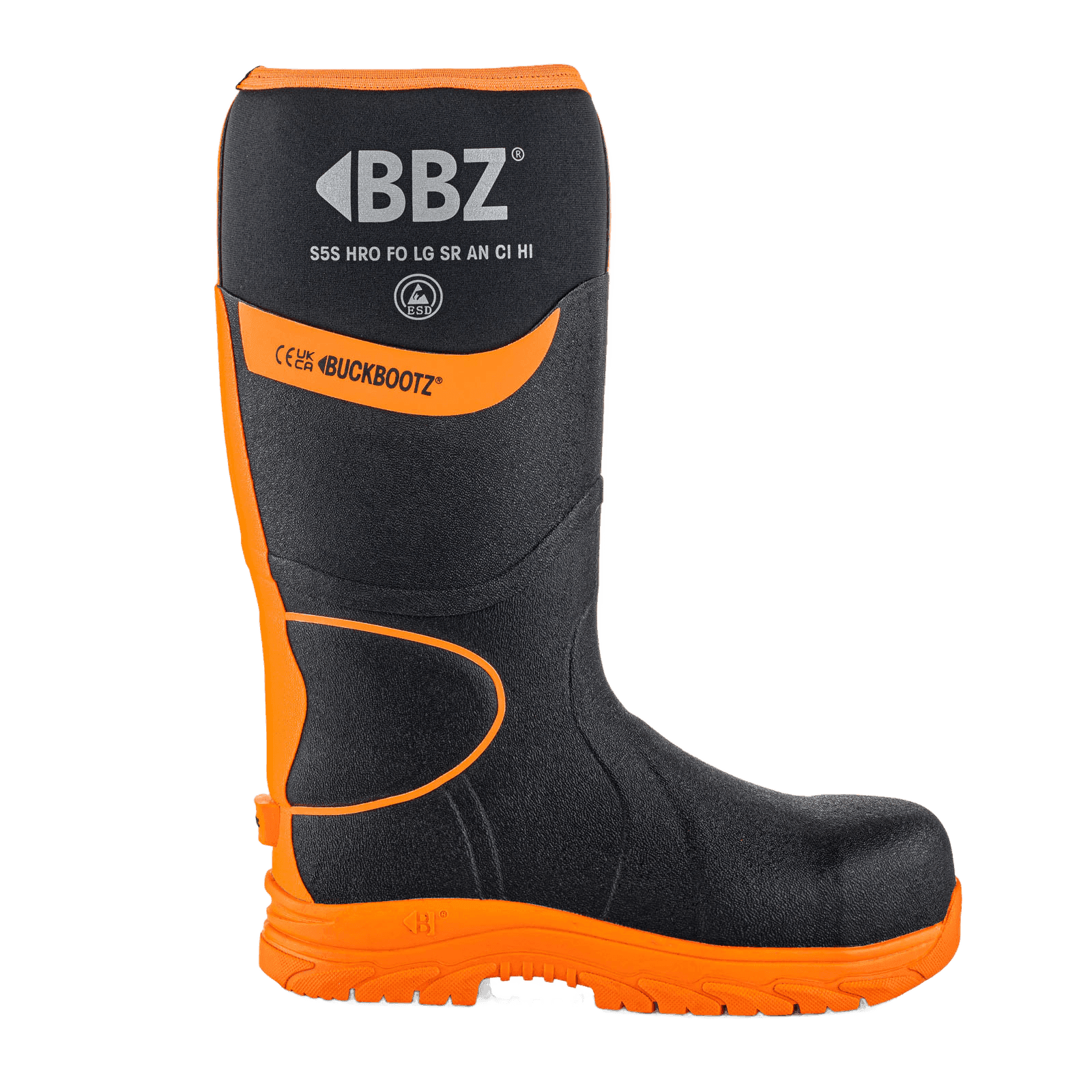
BuckBootz Boot BBZ8000 S5

Quelle chaussure de travailte convient ?
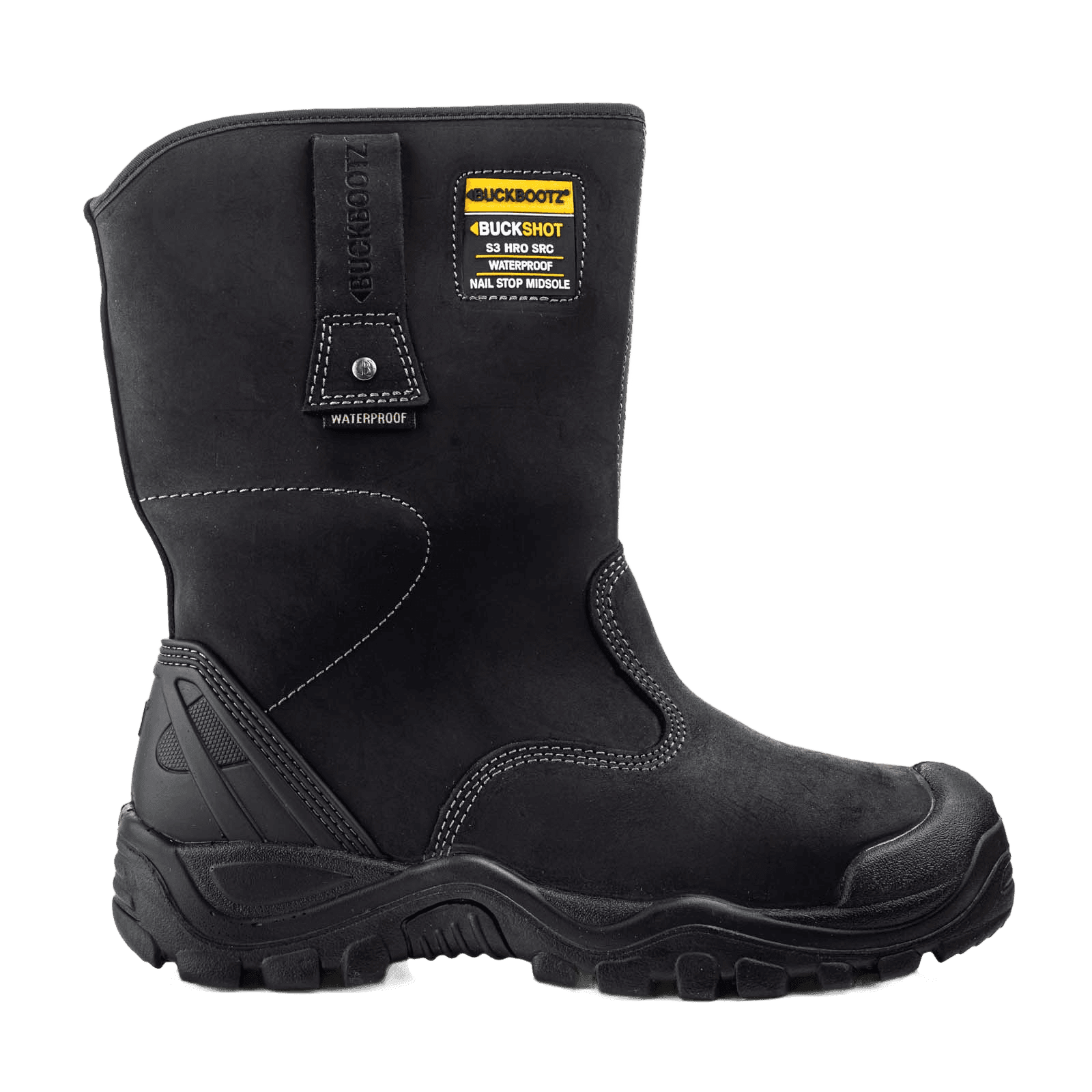
BuckBootz Buckshot BSH010 Black
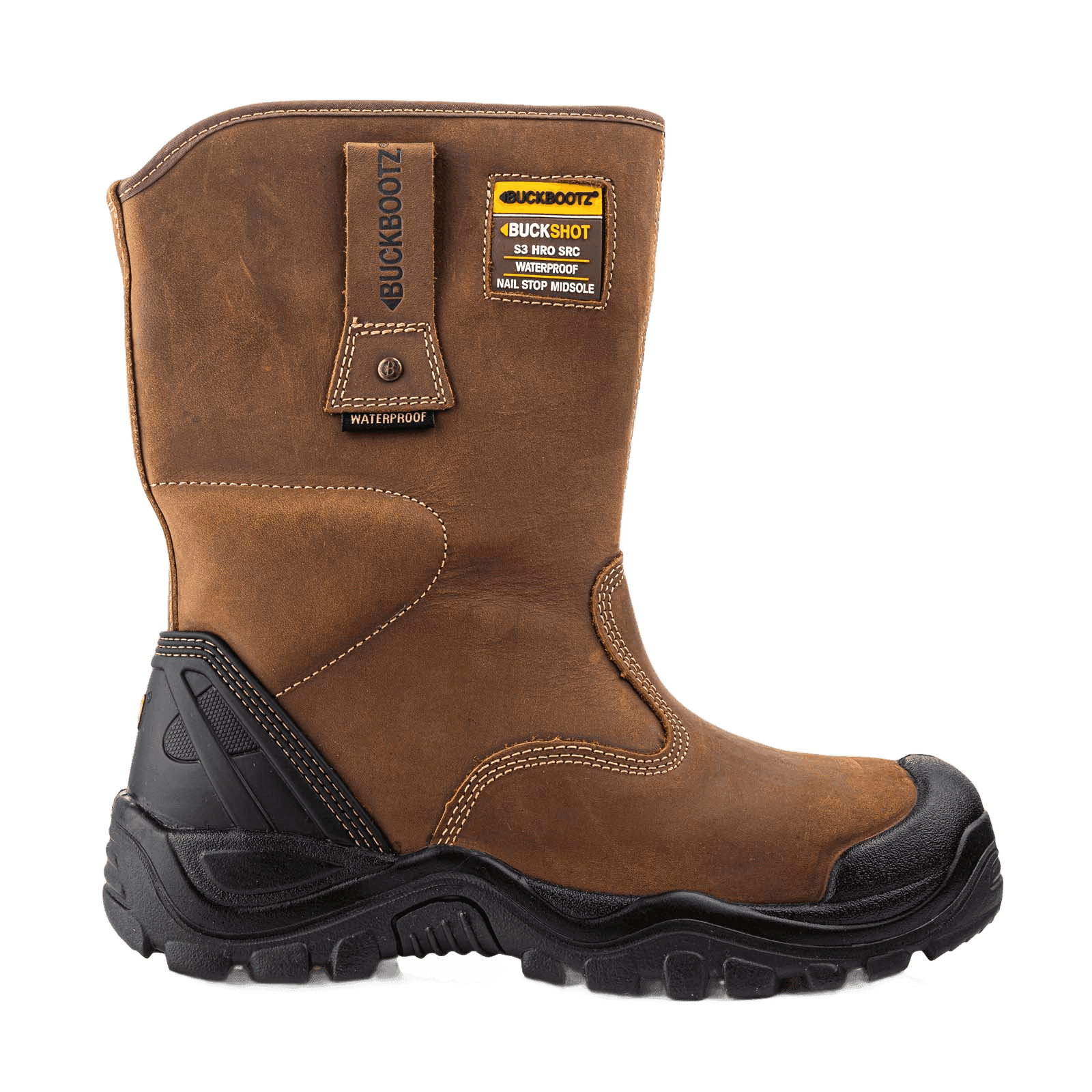
BuckBootz Buckshot BSH010 Brown
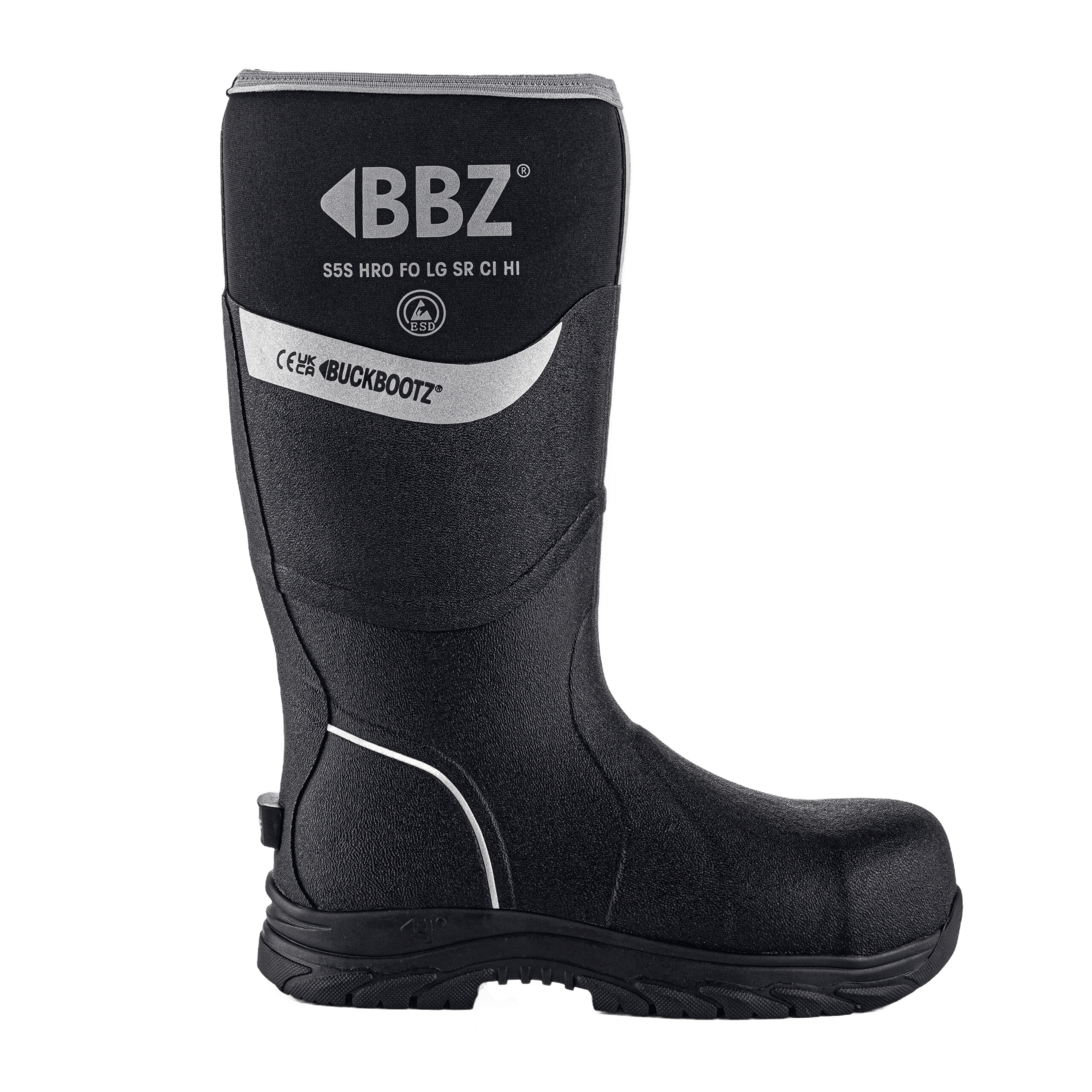
BuckBootz BBZ6000 Black
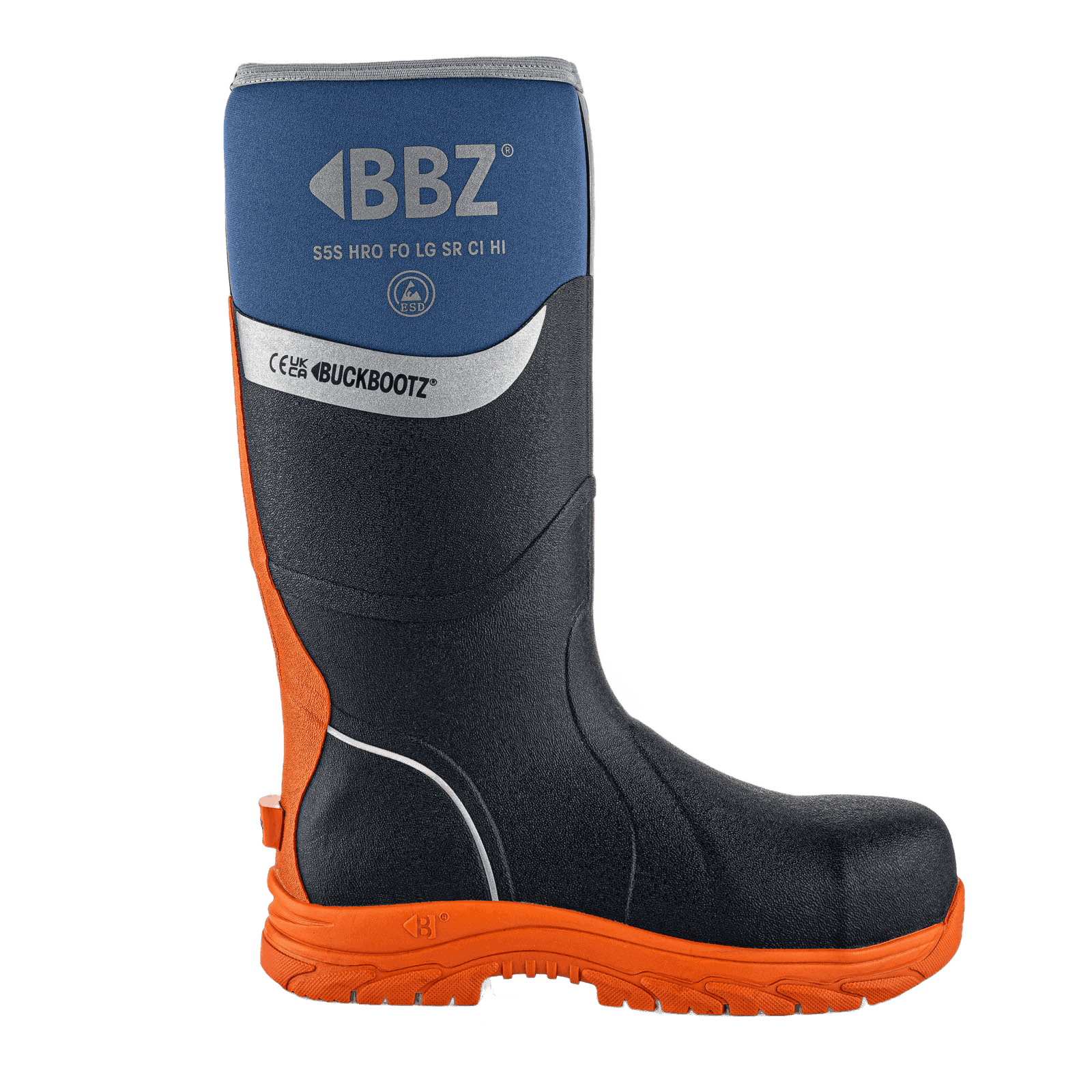
BuckBootz BBZ6000 Blue
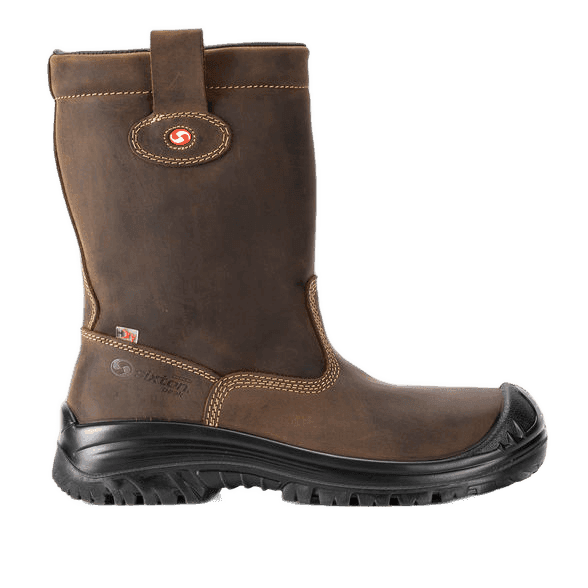
Sixton Montana 22L HDry Airplus 3D Brown
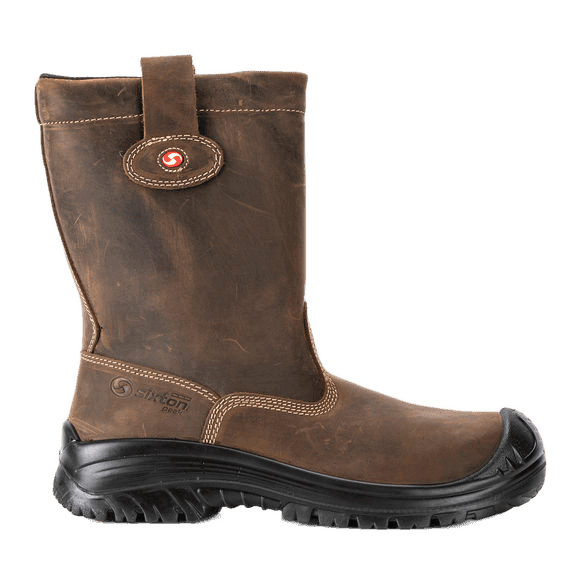
Sixton Montana Wool Dark Brown
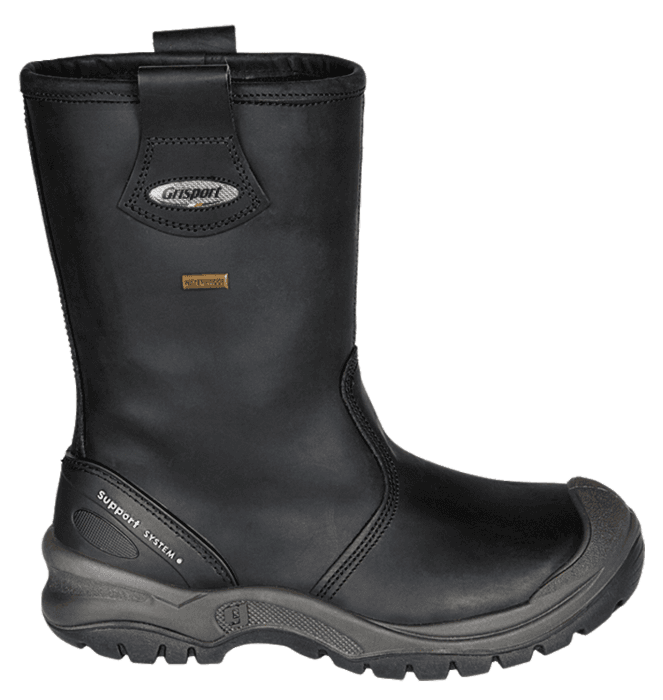
Grisport Safety Boot 72401C Black
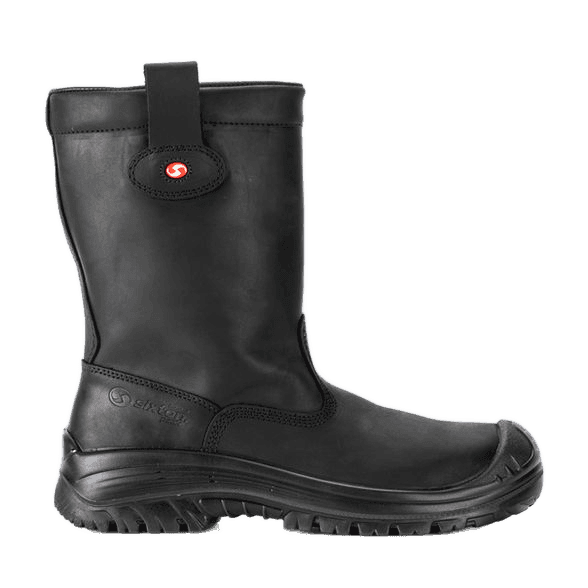
Sixton Montana Wool Black
Types of work boots
Lined or unlined
- Lined: ideal for cold outdoor work, long days standing still, or winter tasks; check out lined work boots.
- Unlined: more comfortable in spring and autumn or when you move a lot and get warm feet faster.
Mid-height or knee-high
- Mid-height: more freedom of movement and often easier to put on/take off; handy if you walk a lot or get in and out of vehicles.
- High/knee-high: extra protection against splashing water, mud, and manure; nice for wet surfaces or deeper puddles.
S3 or S5
- S3: for outdoor work where you need water resistance, anti-perforation, and grip; check out S3 work boots.
- S5: for really wet and dirty work (mud, water, slush) with a robust boot construction; see S5 work boots.
Choosing work boots: S3 or S5?
- Choose S3 if you want a sturdy (safety) work boot with water-repellent upper and anti-perforation, but you’re not constantly standing in water or mud; S3 builds on S2 (WRU: resistance to water absorption/penetration of the upper) and adds penetration protection and a coarse sole profile.
- Choose S5 if you regularly work in wet, muddy conditions and want a boot designed as a “full boot”; S5 is S4 (for boots made entirely of rubber/plastic/polymer) plus penetration protection and a coarse profile.
Work boots by season
Winter: warm and lined
- Choose a lined interior (fleece or thermo) and ensure enough space at the toes; that helps with cold feet.
- Go for a coarse profile if you walk a lot on wet clay, mud, or slippery pavement.
- Do you often stand still (e.g., supervision, outdoor logistics, ground work)? Then extra insulation pays off even more.
Summer: breathable and light
- In warm weather, prefer an unlined work boot and a fit that doesn’t pinch with swelling feet.
- If you mainly have dry days, you can sometimes manage with a lower shaft, allowing heat to escape better.
Materials: PVC, PU, or leather?
PVC
- Plus: often budget-friendly and naturally waterproof.
- Minus: PVC is usually stiffer; with intensive use, it can become less flexible faster and crack sooner than PU.
- For whom: occasional outdoor work, wet tasks where you mainly seek waterproofing and care less about lightweight.
PU (polyurethane)
- Plus: PU is usually more flexible and softer than PVC, which is more comfortable during long days.
- Plus: both PU and PVC boots are waterproof if made as a single piece (without seams that can leak).
- For whom: a lot of walking, long workdays, or when comfort and flexibility are important.
Leather
- Plus: often comfortable and “molds” to your foot; nice if you move a lot.
- Minus: leather is not automatically fully waterproof; it requires maintenance (impregnation, cleaning) to stay nice and water-repellent for a long time.
- For whom: outdoor work with variation, where you want water repellency but aren’t constantly in water.
Practical choosing tips
- Check your work environment: wet/manure/mud often calls for higher and “tighter” (S5 or waterproof), while alternating with indoor work makes S3 more pleasant.
- Pay attention to shaft height: mid-height gives freedom of movement, knee-high provides extra splash and mud protection.
- Choose grip for your surface: coarse profile for mud/groundwork, more stable profile for hard surfaces.
- Comfort = endurance: sufficient toe space, good entry, and not too heavy; you really notice that after 8–10 hours.
Maintenance and lifespan
- Clean after work: rinse off mud and manure and let boots dry at room temperature (not on the heater).
- Remove the insole if possible; this helps everything dry faster and prevents odor.
- Regularly check the profile and the toe; with a smooth profile or damage, you lose grip and protection.
- Leather? A quick brush and re-impregnation keeps the upper water-repellent longer.
Questions fréquentes sur Work Boots
S3 is intended for safety shoes/boots with water-repellent upper (WRU) and protection against sharp objects via a puncture-resistant sole, plus a coarser profile. S5 is intended for boots that are completely made of rubber/plastic/polymer (S4) and also have puncture resistance and a coarse profile, making them often the logical choice for really wet and dirty outdoor work.
No. Some work boots are water-repellent (handy in rain and wet grass), but not designed to stand in water or deep mud for long periods. S3 refers to WRU (water resistance of the upper), while S4/S5 specifically pertains to fully rubber/plastic/polymer boots.
In winter, prefer a lined work boot with enough room for thicker socks and a rugged sole profile for grip on wet and cold surfaces. If you work a lot in water or slush, pay extra attention to truly waterproof models.
Rinse off dirt after work, let the boots dry naturally (not directly by a heat source), and regularly check the profile and sole for damage. For leather work boots, you extend their lifespan by cleaning and re-impregnating them. Check out the work boots in the overview, filter by S3 or S5, and choose the height and lining that suits your outdoor work. Still unsure? Consider your work situation (wet, cold, rough terrain) and make your choice based on that—this way, you'll buy the right work boot faster.