
Work shoes sneaker

Puma Iconic Black/Gum Low

Puma Iconic Suede Grey Bas

Quelle chaussure de travailte convient ?
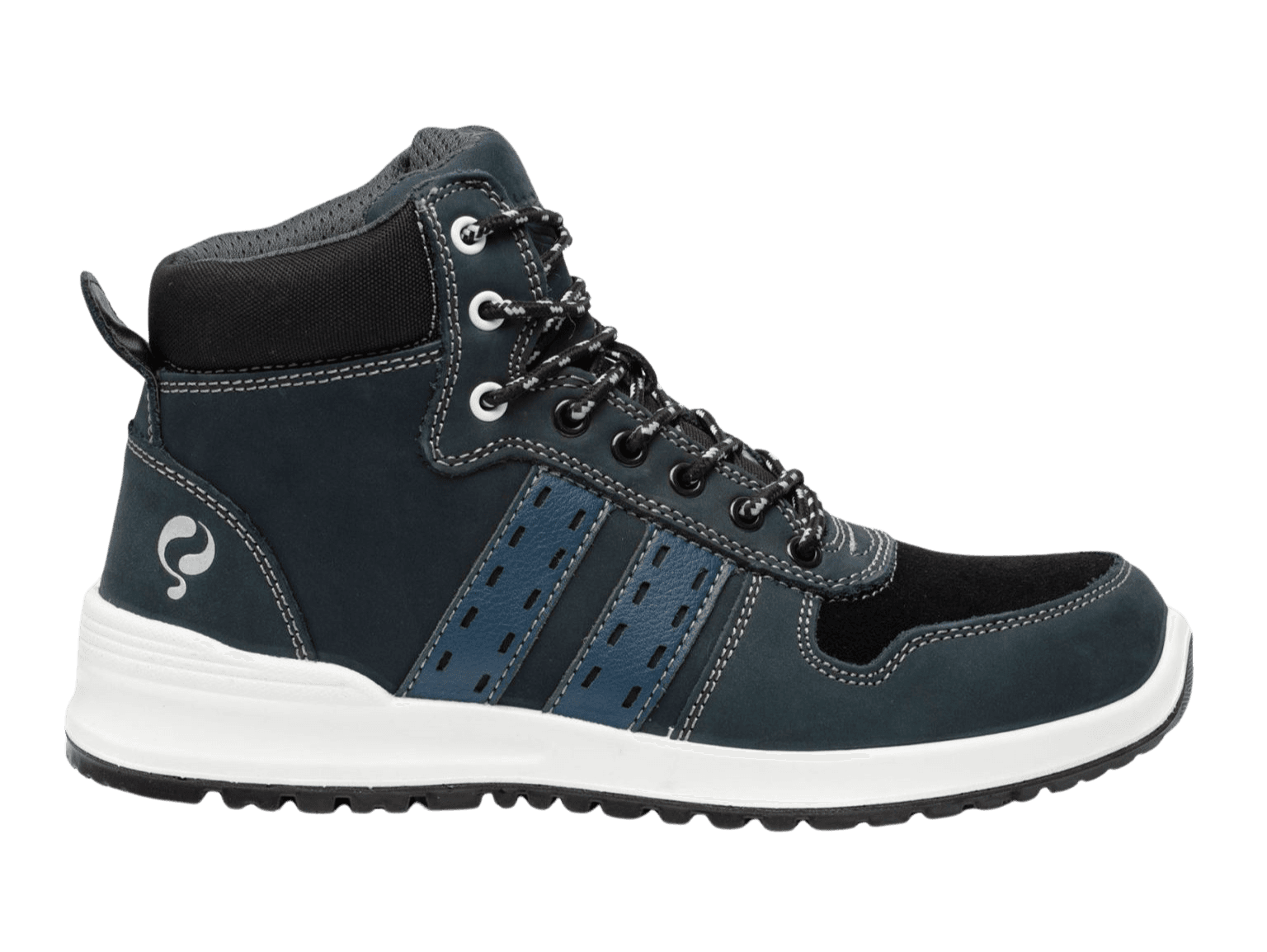
Quick Sport Blue High

Quick Sport Blue Low

Puma Iconic Suede Noir Bas
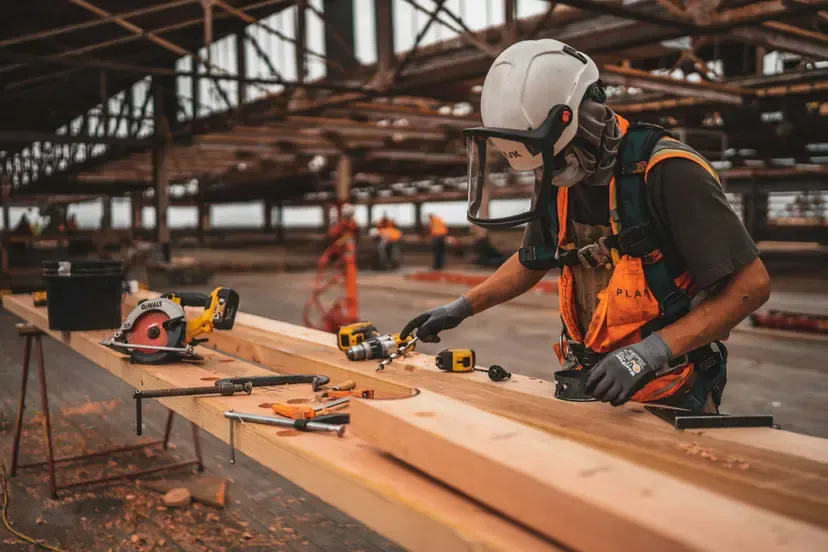
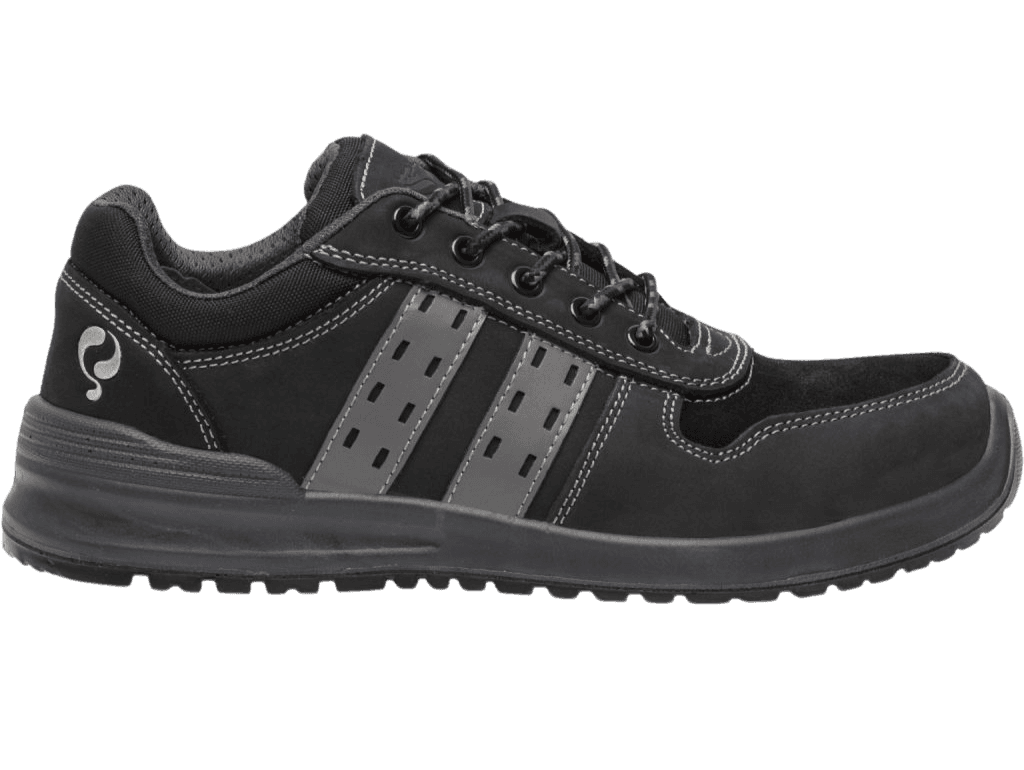
Quick Sport Black Low
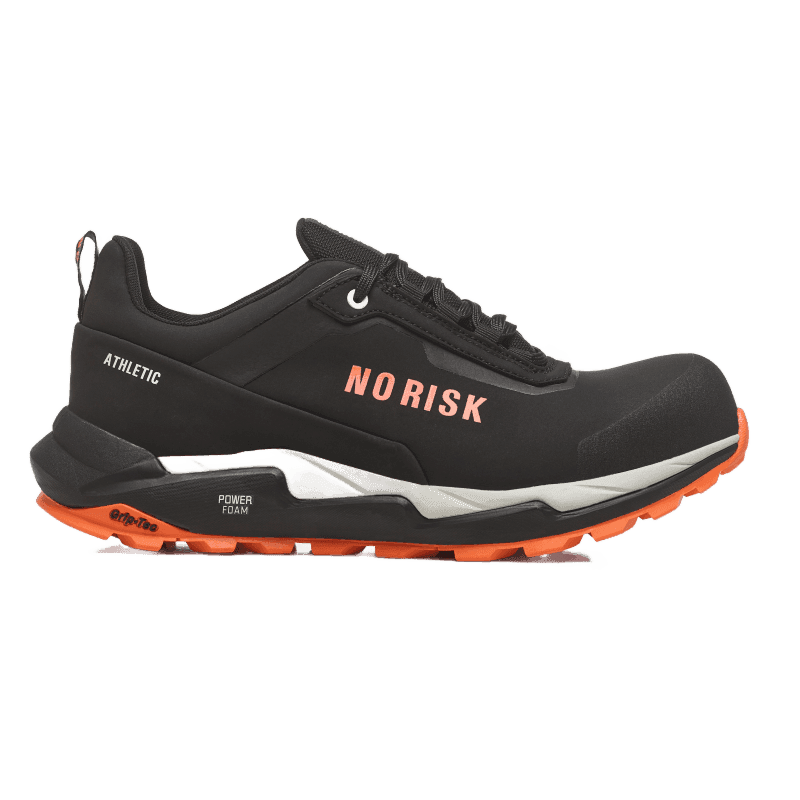
No Risk Athletic Low STX Orange
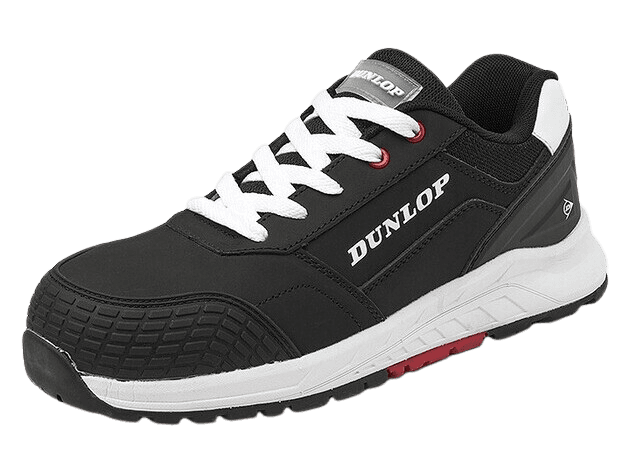
Dunlop Storm
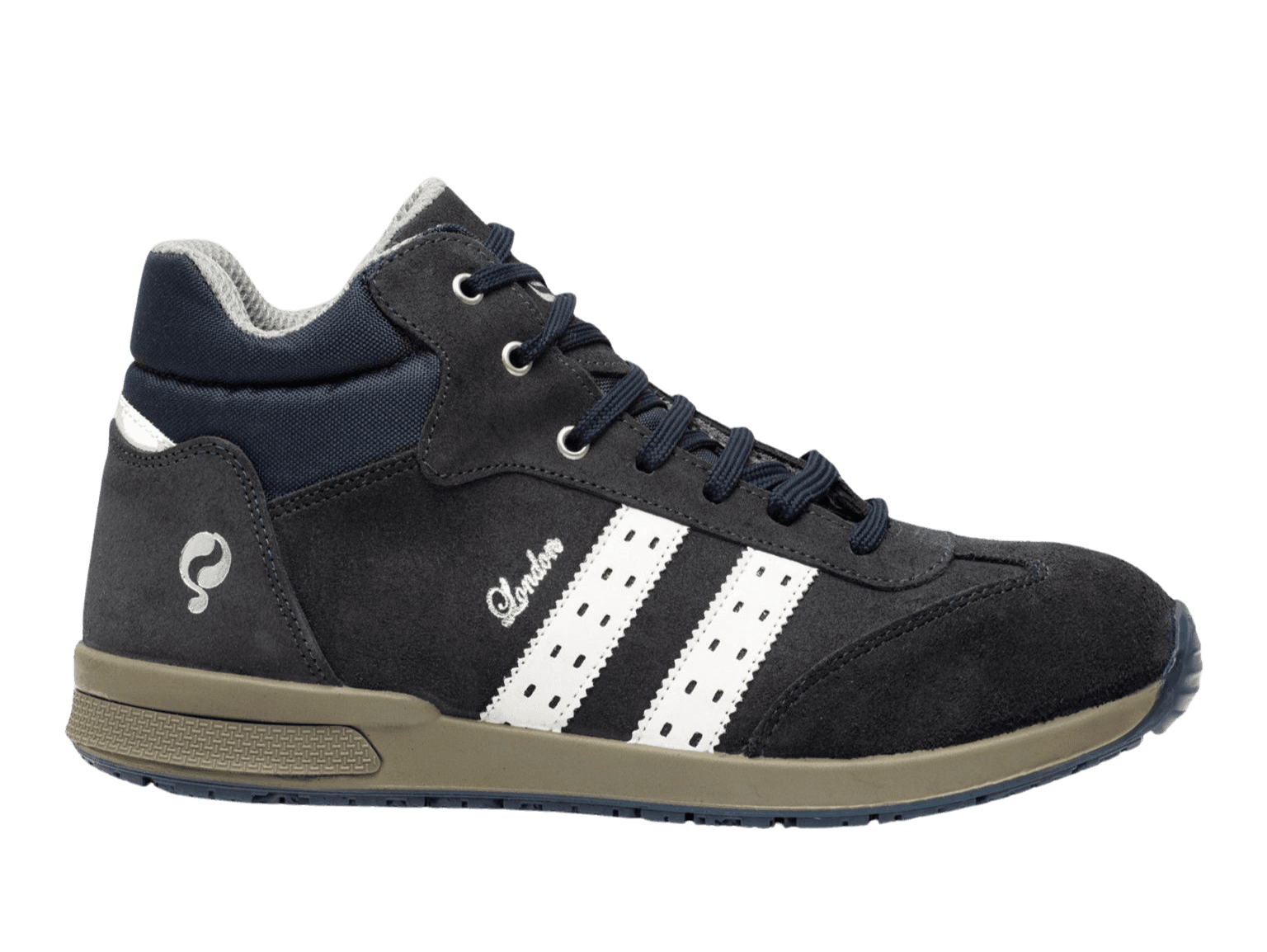
Quick London High
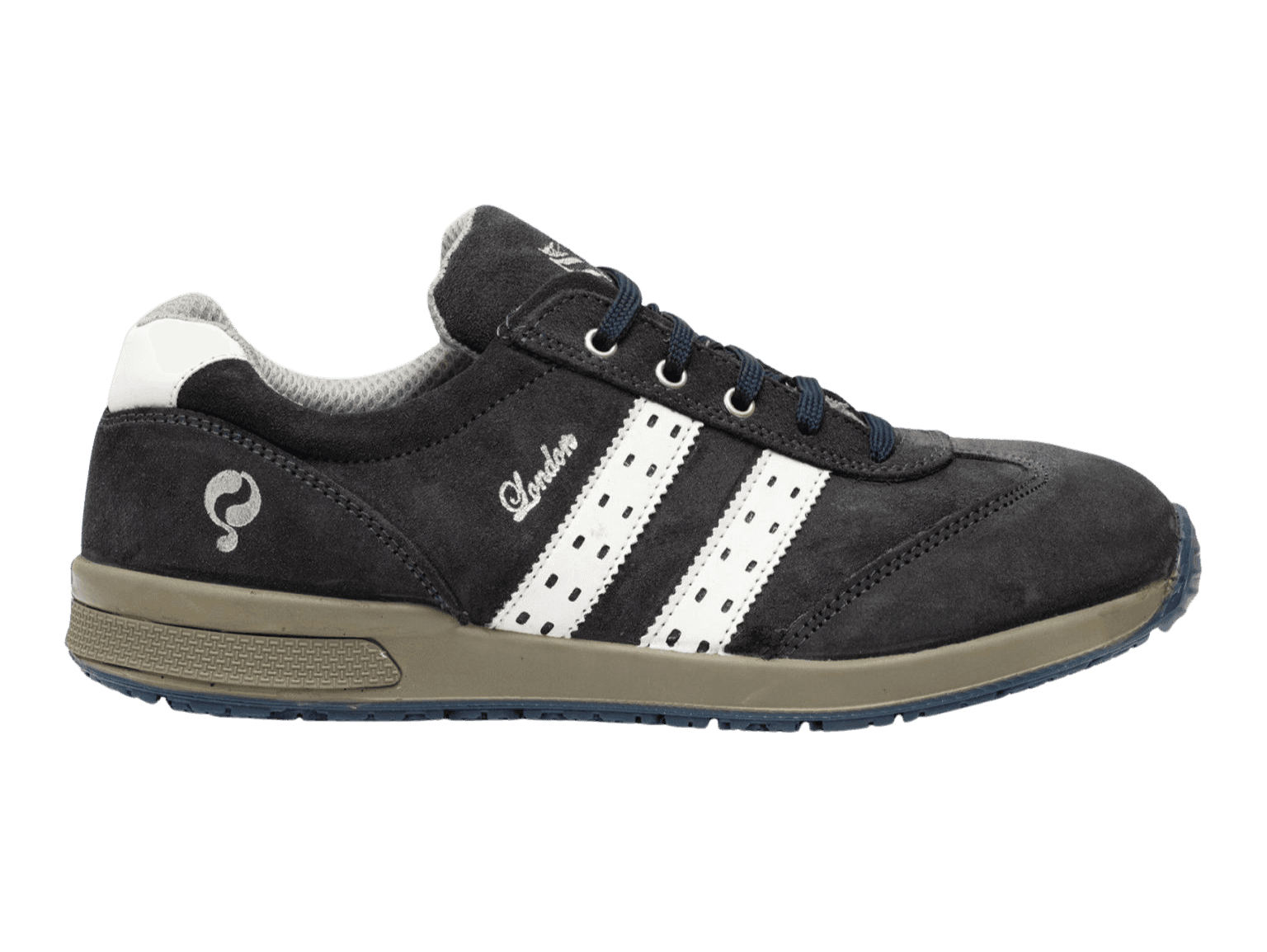
Quick London Low
Safety sneakers vs traditional work shoes
- Look: safety sneakers look like sporty sneakers and often fit better in a modern, representative work environment.
- Weight: work sneakers are often lighter and more flexible; many models use a composite or aluminum toe instead of steel, which reduces carrying weight.
- Protection: both can be safe if the standards are met, but traditional work shoes are often more robust for really heavy conditions and intensive outdoor work.
When are safety sneakers suitable?
- Logistics & warehouse: lots of steps, often slippery floors; choose anti-slip and the standard your employer requires.
- Installation & assembly: maneuverability and grip are key; pay attention to cushioning, flexibility, and (where necessary) ESD.
- Workshop & light industry: choose a sneaker work shoe with the right toe + (if at risk) midsole against sharp parts.
Safety sneakers by standard
S1P safety sneakers
S3 safety sneakers
ESD and SRC (briefly explained)
Popular safety sneaker brands
- Quick work shoes: sporty models focused on freedom of movement and a modern look.
- Dunlop work shoes: strong in no-nonsense protection and practical choices for different work floors.
- Reebok work shoes: known for sneaker-like fit and comfort, ideal if you’re looking for a true sports shoe appearance.
How do you choose the right safety sneakers?
- First, choose the standard you need (ask your employer or look at your risks: wet, sharp, slippery, outdoor work).
- Pay attention to the sole: do you want grip on slippery floors, or stability on rough terrain?
- Check the toe and midsole: if you want to walk lightly, a lighter toe is often nice; with a lot of debris on the floor, a protective midsole is extra important.
- Wearing comfort: cushioning in the heel, breathable upper, and enough room at the toes make a difference after 8 hours.
- Fit: if you’re unsure between two sizes? Prefer not to choose too tight; your feet expand during a workday.
Maintenance and lifespan of safety sneakers
- Let them air out after your workday and dry them at room temperature (not on the heater) to limit material fatigue.
- Clean the sole: dirt and grease reduce grip, especially with sporty work shoes with a lot of walking.
- Replace in time: if the sole is smooth, the upper is torn, or the cushioning is “flat”? Then you compromise on comfort and safety.
Questions fréquentes sur Work shoes sneaker
They can be just as safe, as long as the safety sneaker has the right certification for your job (for example, S1P or S3) and matches the risks in your workplace.
Sometimes yes, but often construction requires heavier protection (for example, more water resistance, rougher surfaces, and a higher risk of impact). Always check your employer's requirements and choose at least the standards they prescribe.
That varies by model, but safety sneakers usually feel lighter and more flexible than traditional work shoes because they use more sneaker materials and often have a lighter toe cap.
Some do, but many work sneakers actually have a composite or aluminum toe to save weight while still protecting your toes. Check out all the safety sneakers above, filter by your standard, and choose the work sneaker that makes your workday just as sporty as your look.