
Work Shoes
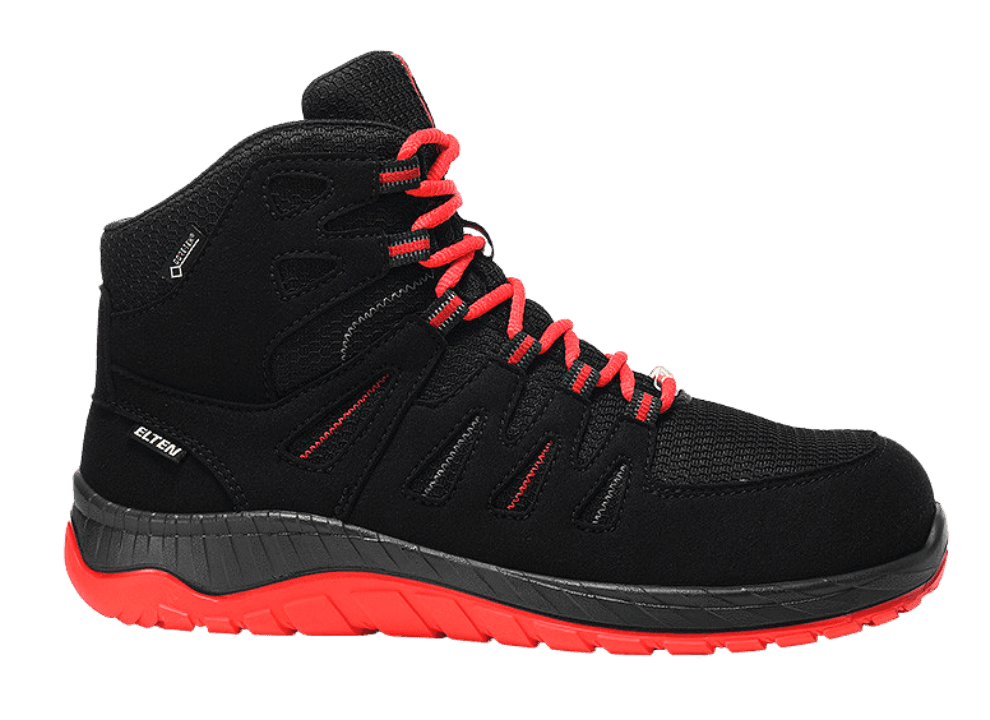
Elten Maddox gtx W black red Mid-high

Quick Urban Low

Quelle chaussure de travailte convient ?
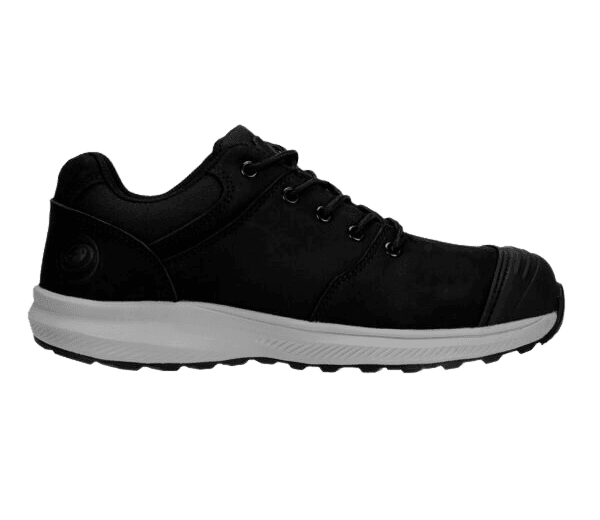
Python Legend Black Low
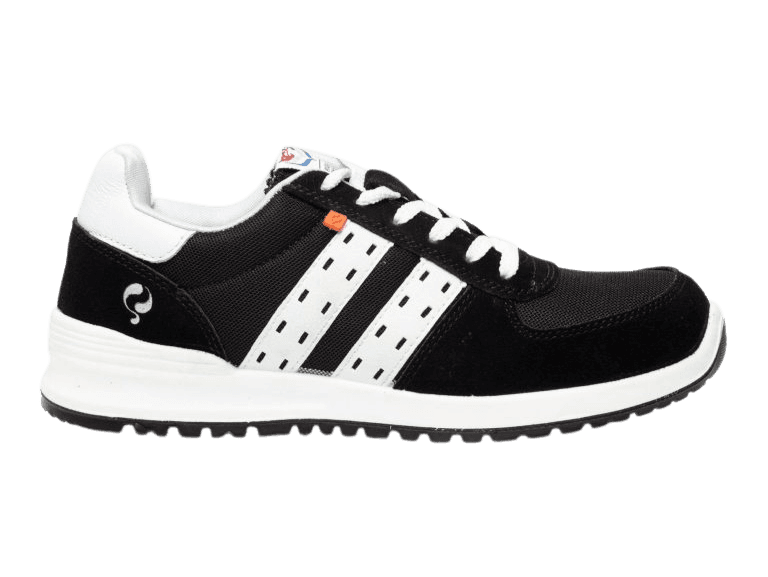
Quick Sprint Black
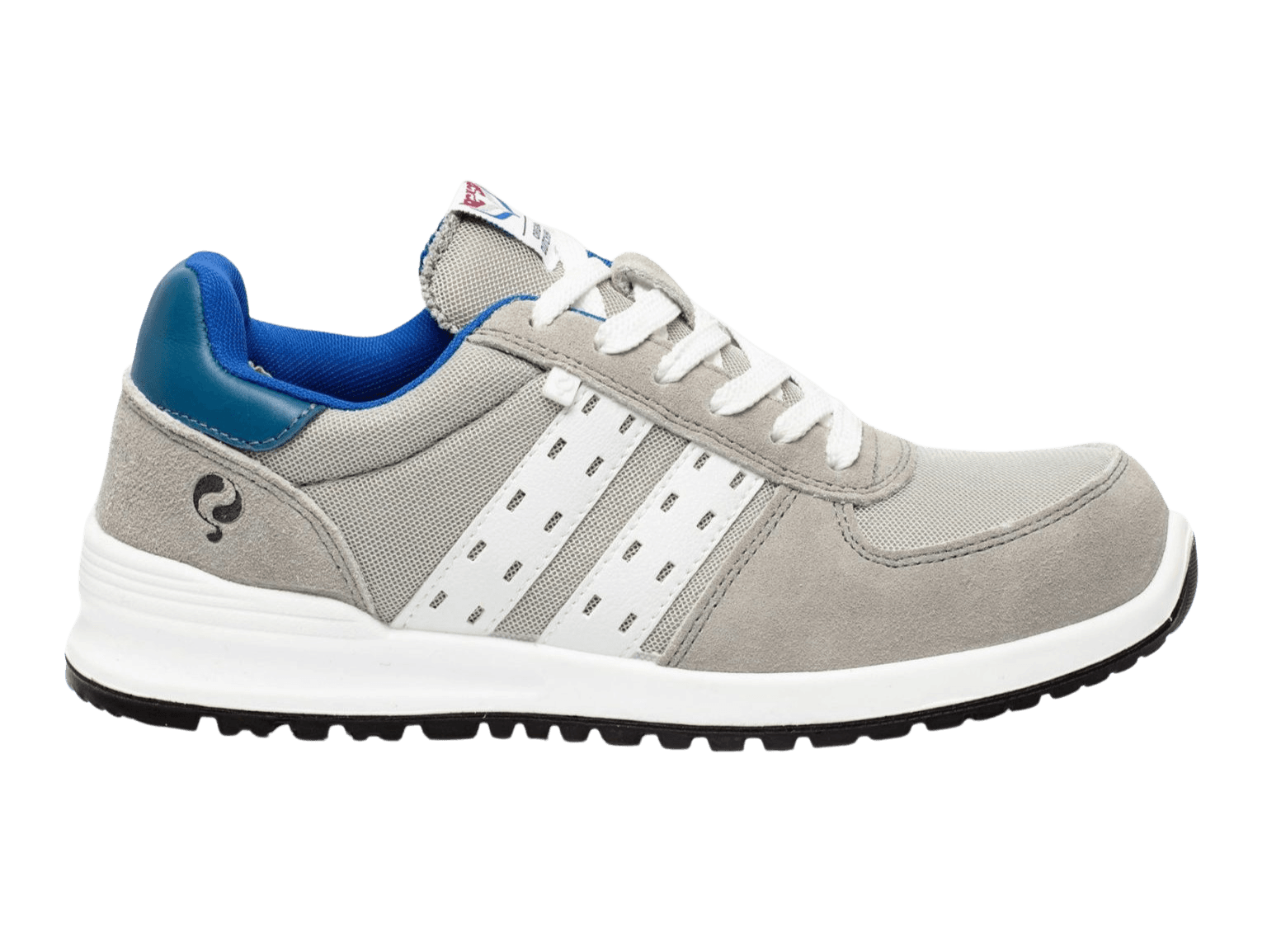
Quick Sprint Grey
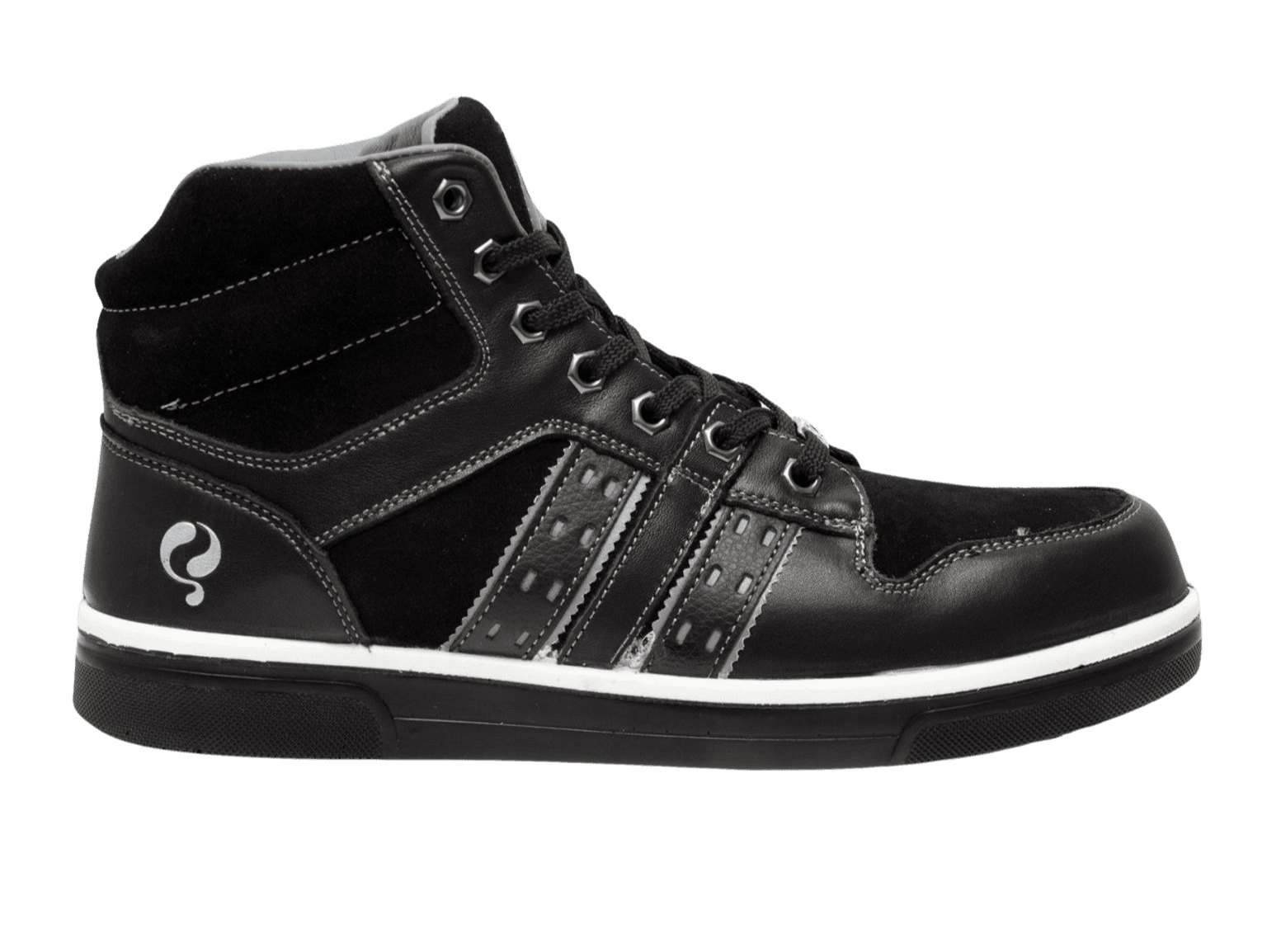
Quick Olympic Black
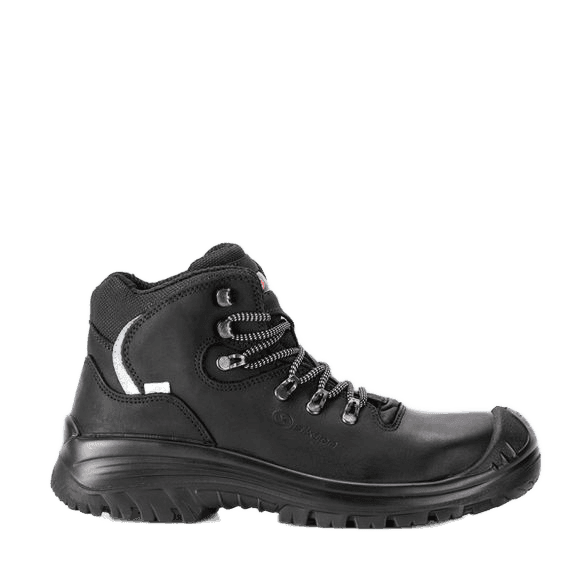
Sixton Corvara HDry
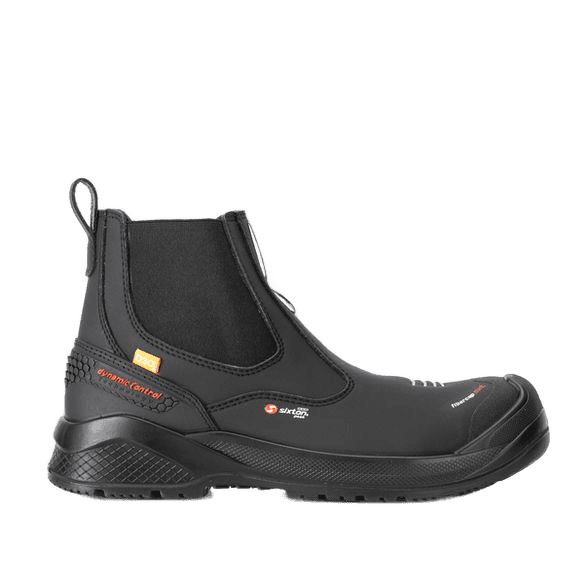
Sixton Forte
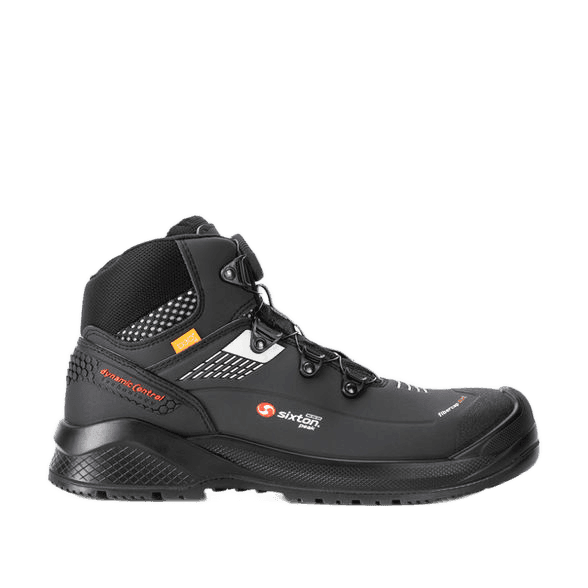
Sixton Muscle BOA High
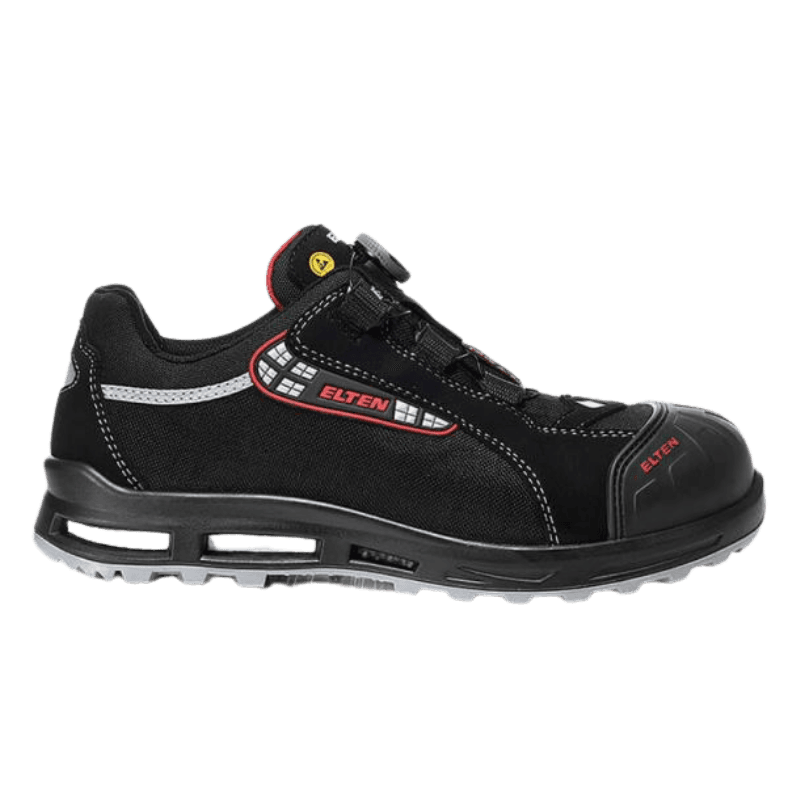
Elten Senex xxt pro boa
How do you choose the right work shoes?
S1P vs S3 vs S5 (standards)
Standard | What does it mean (in simple terms)? | Best suited for | What should you pay extra attention to? |
|---|---|---|---|
S1P | Mainly for dry environments: antistatic, cushioning in the heel, and a midsole that provides protection against sharp objects (penetration-resistant). | Warehouse, workshop, logistics (indoors), assembly. | Grip on the floor (slip), breathable upper, weight (if you walk a lot). |
S3 | Everything from S2 plus penetration protection and extra profile; intended for heavier conditions and (often) wetter work due to water-resistant upper. | Construction, outdoor work, rough terrain, changing weather conditions. | Water resistance, sole profile, comfort when standing/walking for long periods; also check if you need a mid/high model for extra ankle support. |
S5 | Mostly boots (rubber/polymer): waterproof with penetration protection and coarse profile, made for wet and dirty conditions. | Earth, road, and water construction, agricultural work, industry with a lot of water/mud. | Shaft height, thermal lining in cold, and enough space for thick socks. |
ESD, SRC, and other markings
Work shoes by profession
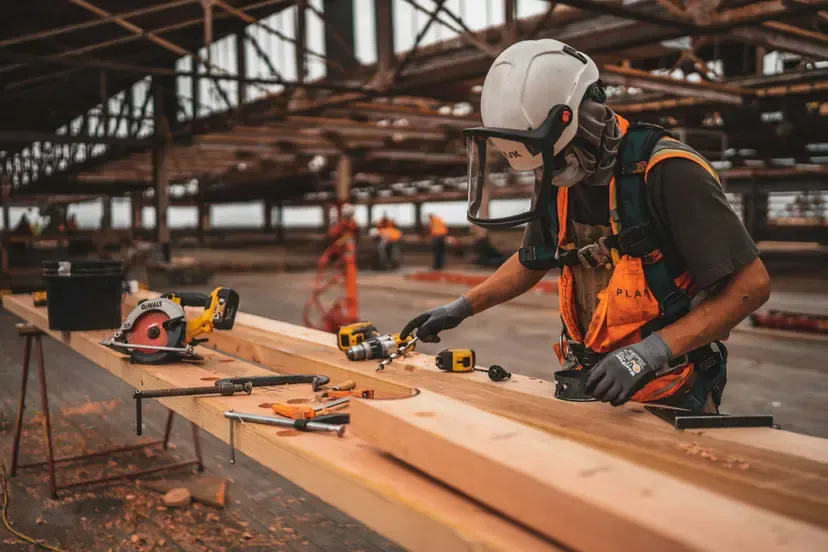
- Construction & rough terrain: Usually go for S3 with a sturdy profile and good water resistance; also check work shoes for construction workers for quick choices per situation.
- Warehouse & logistics: Often S1P is ideal (dry, a lot of walking); also check work shoes for warehouse staff and pay extra attention to cushioning and weight.
- Installation/technology: Comfort and agility are important; a sportier model like safety sneakers can be nice.
- Wet, muddy, or a lot of water: Consider work boots or (for heavier work) S5, so your feet stay dry and you maintain grip.
- Ladies/mens fit: For the best fit, you can shop specifically in work shoes for ladies or work shoes for men.
Popular brands of work shoes
- Quick: Often sporty models; nice if you move a lot and are looking for a sneaker-like feel.
- Elten: Known for sturdy finishes and work-oriented models, often chosen for heavier jobs.
- LOWA: Outdoor DNA with a strong focus on walking comfort and support; popular among those who stand for long periods.
- Reebok: Athletic fits and sporty looks; nice if you want safety shoes that don’t feel 'clunky.'
Buying work shoes: what should you pay attention to?
Material (upper)
Fit and size
Sole and grip
Toe: steel or composite
Questions fréquentes sur Work Shoes
S1P is primarily intended for dry environments with a risk of sharp objects (puncture protection), while S3 often offers additional water resistance and a coarser sole profile for heavier conditions.
Start with your normal size, but especially assess the fit: your heel should sit snugly, your toes should have room to move, and your foot shouldn't feel cramped anywhere. If you wear thick socks at work or have insoles, take that combination into account (or keep it in mind when ordering).
That largely depends on your surface, the number of walking hours, and how wet/dirty your work is; with daily intensive use, it's wise to replace them in time once grip, cushioning, or the upper material clearly deteriorates.
If they have the same certification, they provide the same certified toe protection; the practical difference usually lies in weight and wearing comfort. So always check the safety class and product features that match your work risks.
Yes, you have a 30-day return period with us. If they don't fit well, it's better to return them immediately rather than 'breaking them in': a good fit is essential for comfort and safe working. Check the return conditions with your order and try them briefly indoors on a clean surface. Ready to choose? Check out all the models in the product list above, use the filters to compare, and select the pair that suits your workday.