
Waterproof work shoes
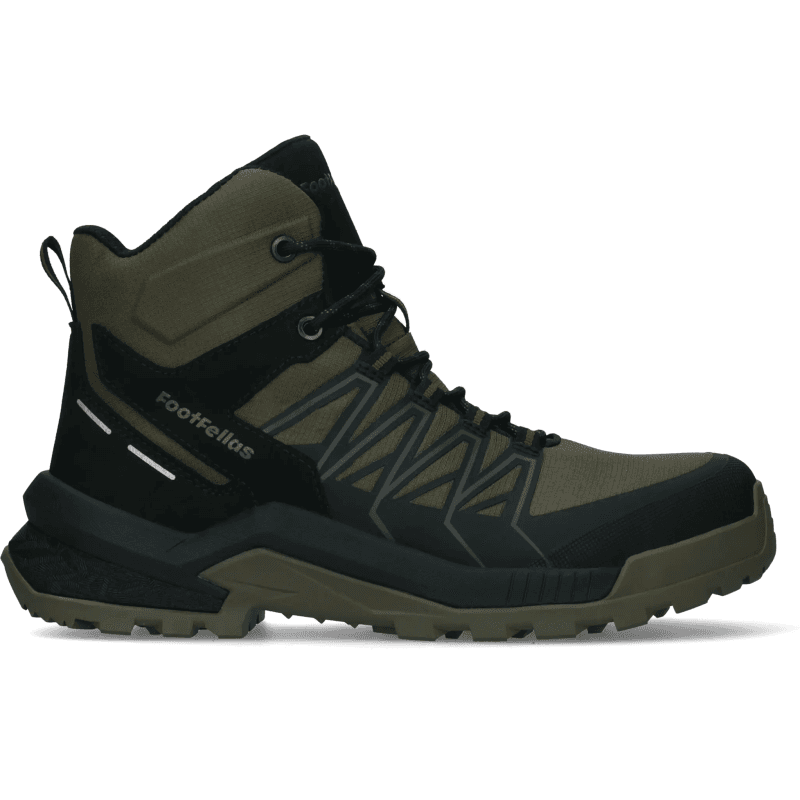
FootFellas Duncan
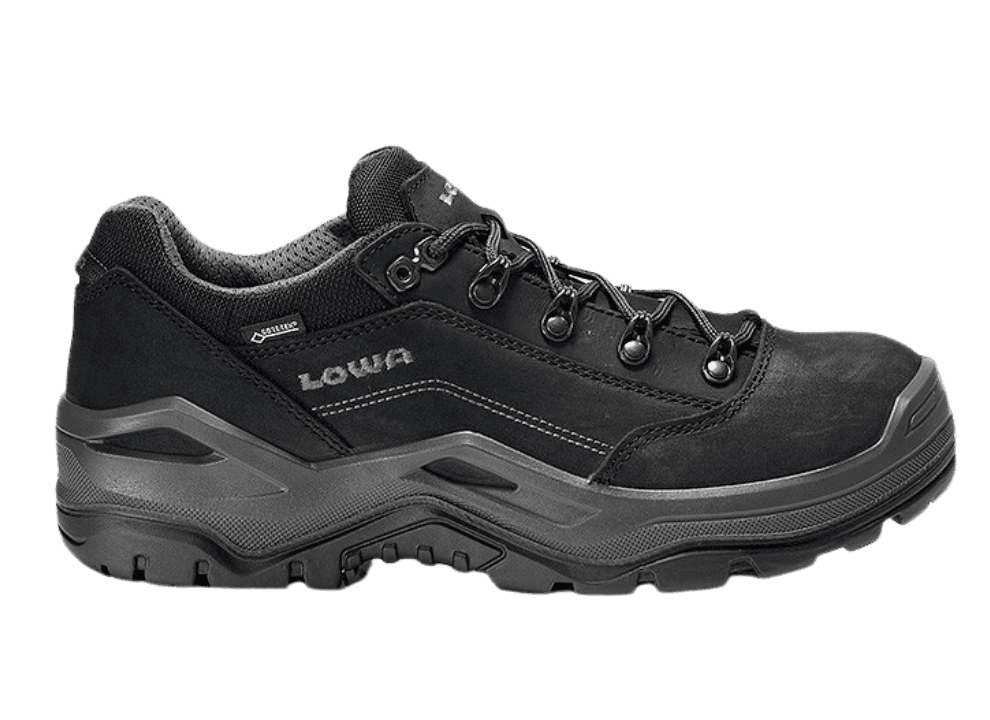
Lowa Renegade work gtx black Low

Quelle chaussure de travailte convient ?
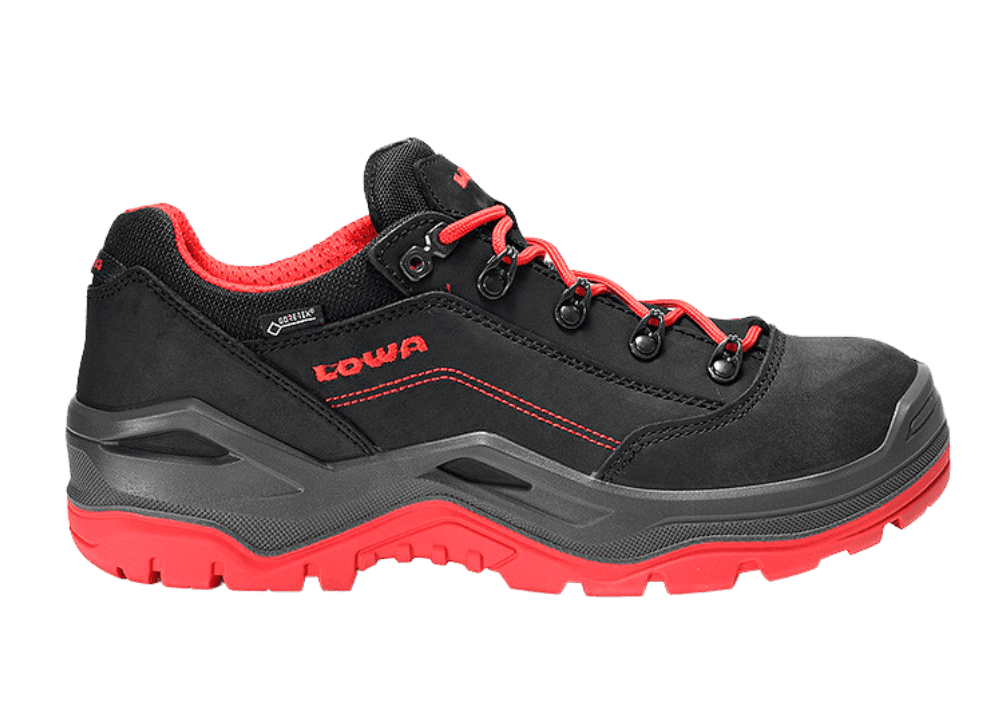
Lowa Renegade work gtx red Low

Timberland PRO Iconic Brown
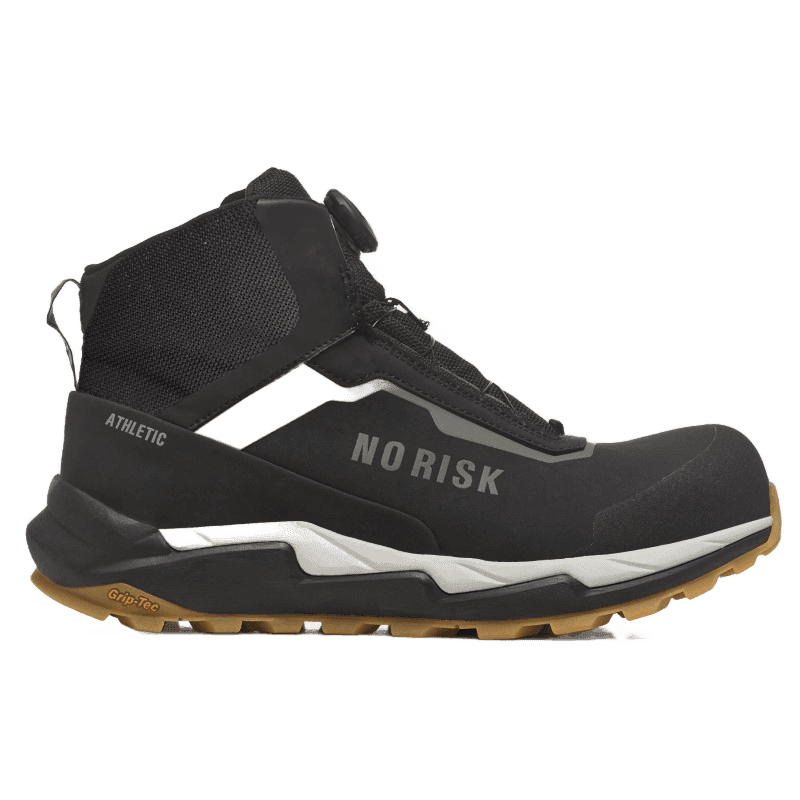
No Risk Athletic Mid MOZ Black
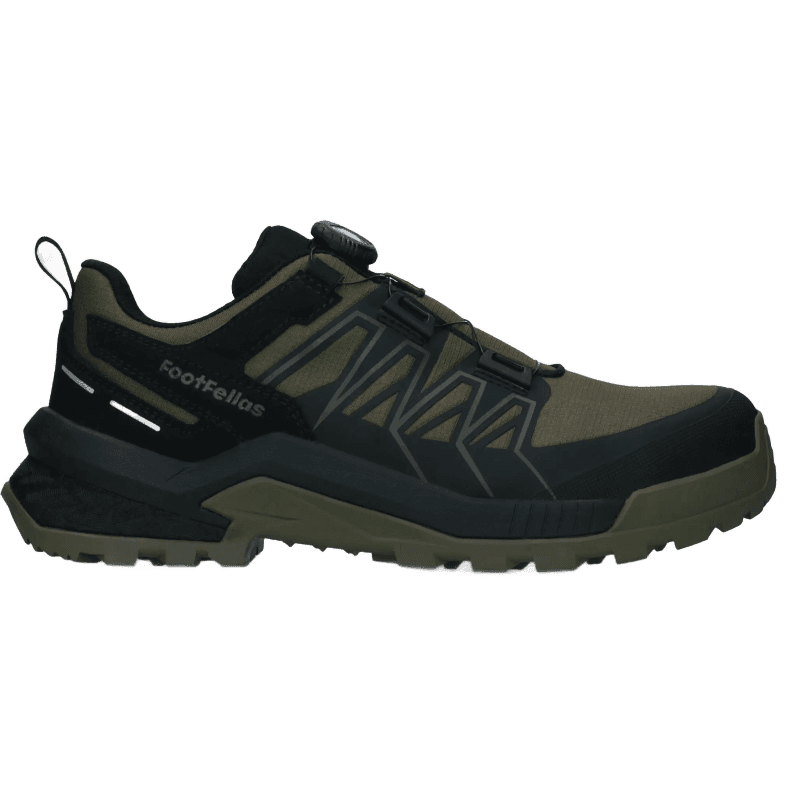
FootFellas Max
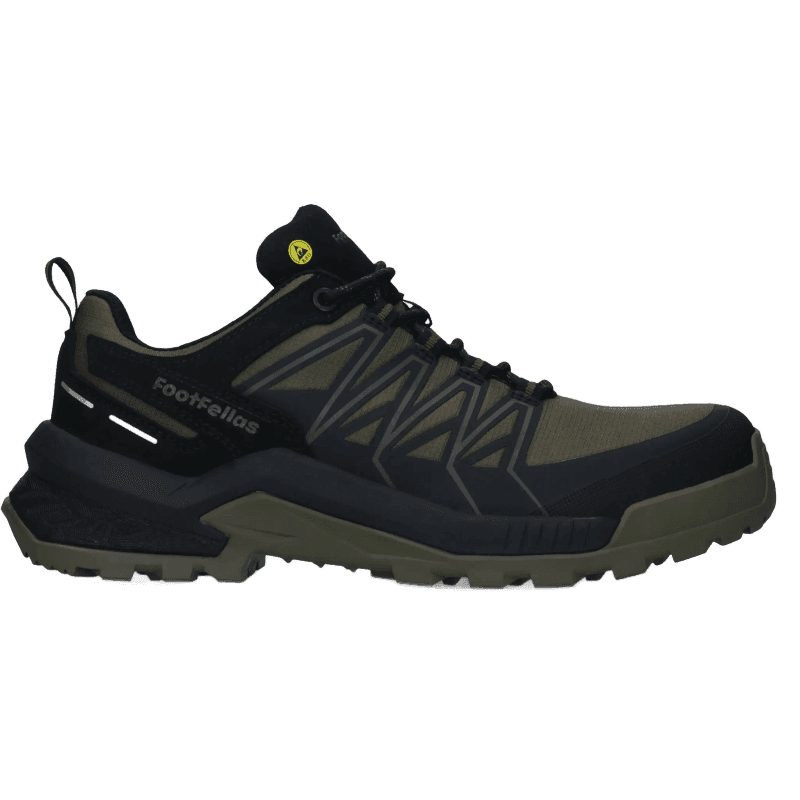
FootFellas Dave
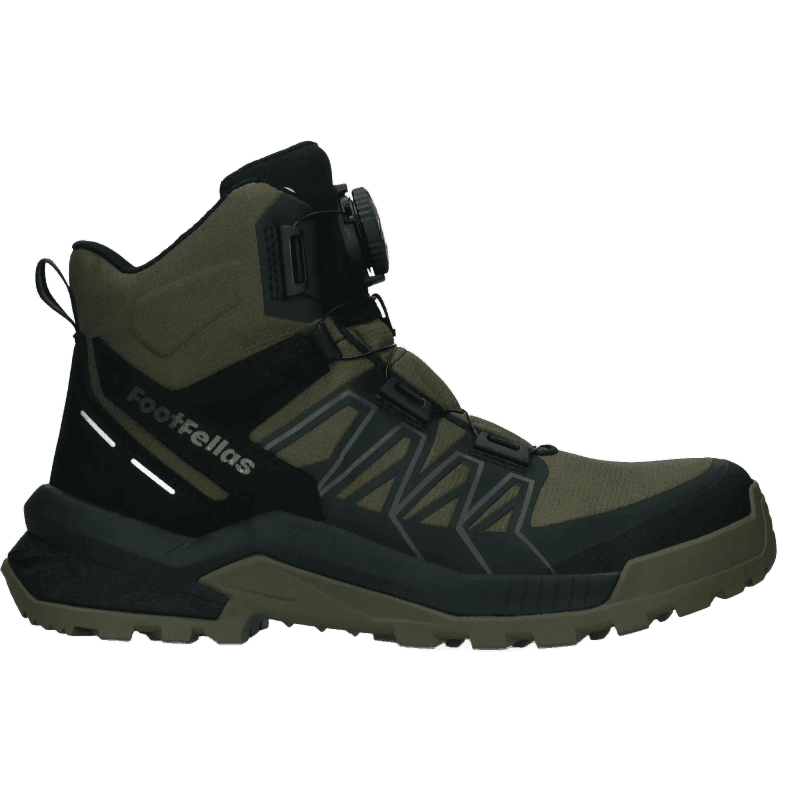
FootFellas Mike
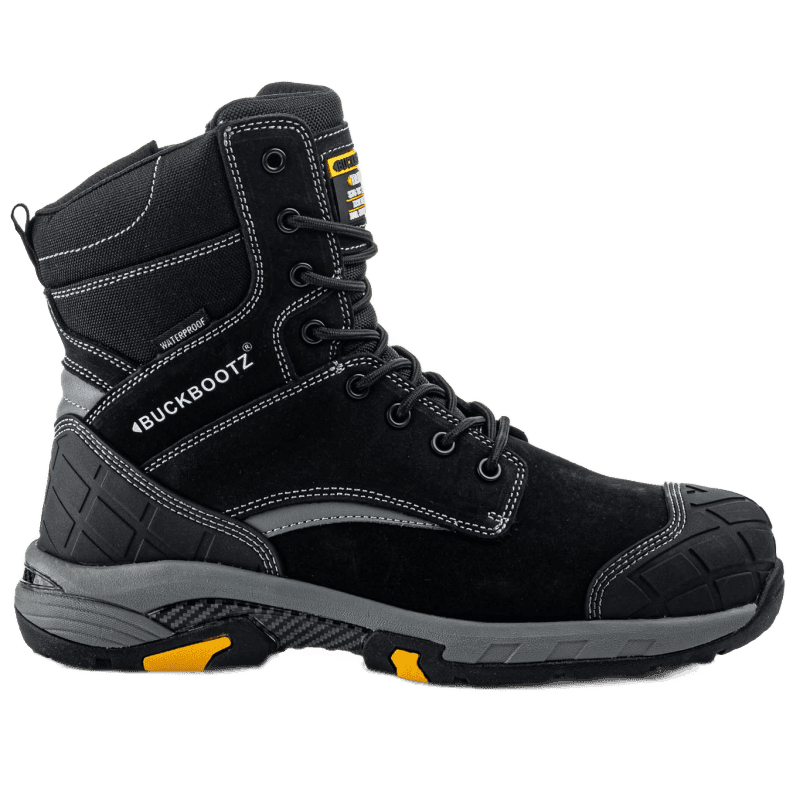
BuckBootz Tradez Blastz Black
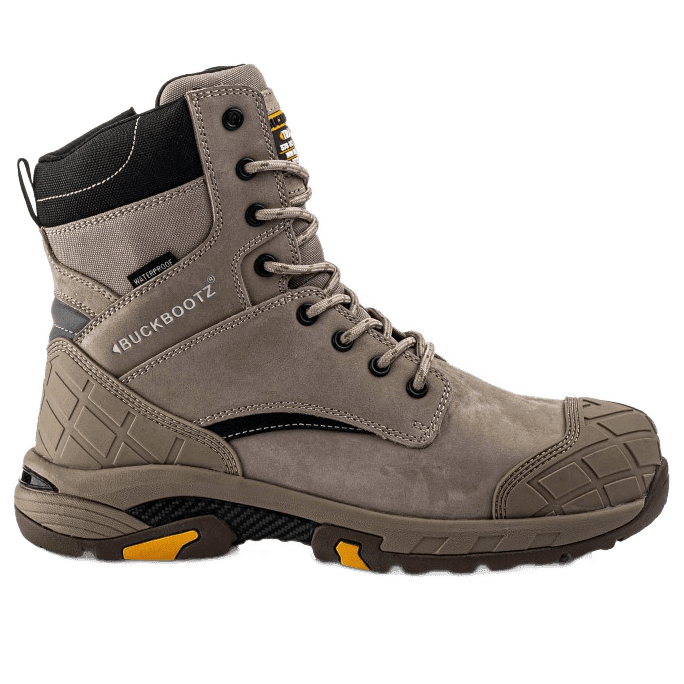
BuckBootz Tradez Blastz Stone
Waterproof technologies
Gore-Tex
OutDry / HDry (directly laminated)
Waterproof membranes (general)
- Advantage: dry on the outside, comfort on the inside (less clammy, especially during long days in rain or wet grass).
- Note: waterproofness depends on fit, tongue construction, and how well you maintain the shoe (dirt and drying out make materials “leak” faster).
WR classification explained
- WRU: test on the material of the upper; this mainly indicates how water-repellent the upper is, not necessarily that the whole shoe is waterproof.
- WR: test on the entire shoe; this is intended for models that are truly better at resisting water penetration, often thanks to a waterproof-breathable membrane.
Waterproof work shoes by classification
S3: strong, but not always fully waterproof
If you really mean “waterproof”: look for WR (and newer classes)
Maintenance tips for waterproof work shoes
- Clean your shoes after a wet day with lukewarm water and a soft brush; mud and salt damage materials and seams faster.
- Let them dry at room temperature; not on the heater or with a hairdryer (this can age leather, glue, and membranes faster).
- Use the right maintenance product for your upper material (leather, nubuck, microfiber) and regularly impregnate, especially after cleaning.
- Check the tongue folds and seams: this is where water most often enters if the shoe is too loose or dirty.
- Alternate (if possible) between two pairs, so your work shoes can dry completely and stay waterproof longer.
Ready to work dry?
Questions fréquentes sur Waterproof work shoes
No. S3 is primarily a safety class; S3 models are water-repellent, but only with a WR property or membrane lining do you typically get the best protection against prolonged wet conditions.
Both are designed to keep water out while still being breathable, but OutDry/HDry is known for being directly laminated to the upper (less water between layers), while Gore-Tex is usually applied as a membrane lining in the shoe.
Clean them, let them dry slowly, and impregnate according to the material. Avoid heat sources and keep seams and tongue folds free of dirt.
That depends on usage (abrasion, kneeling, wet clay), maintenance, and drying routine. With intensive outdoor work, the waterproof function wears out faster, but with proper maintenance, you can clearly extend their lifespan.