
Safety Shoes S3
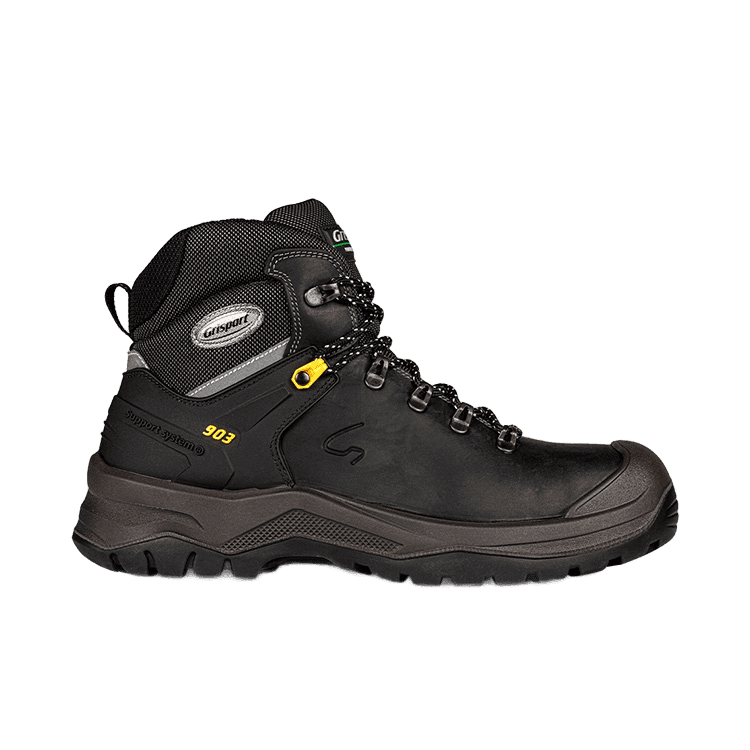
Grisport Safety 903L (803L)

Python Toronto PS5001
Quelle chaussure de travailte convient ?
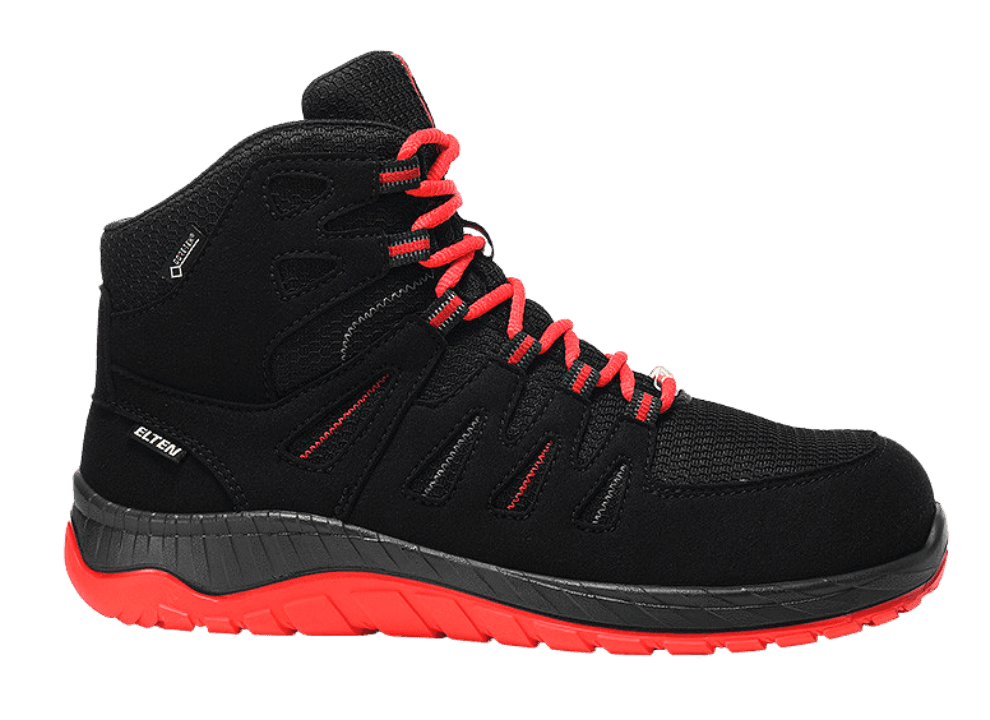
Elten Maddox gtx W black red Mid-high

Quick Urban Low
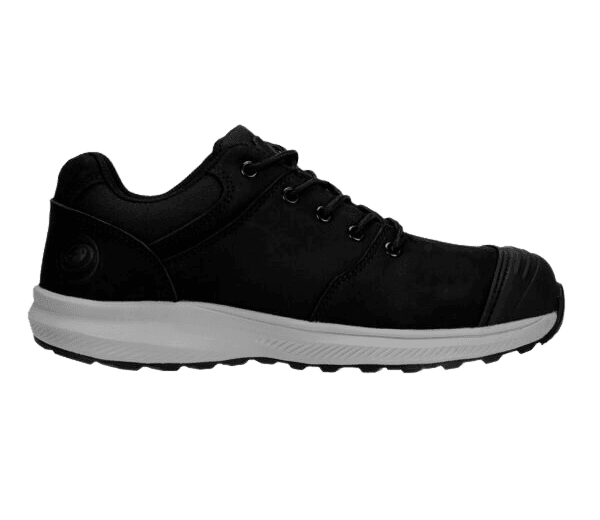
Python Legend Black Low
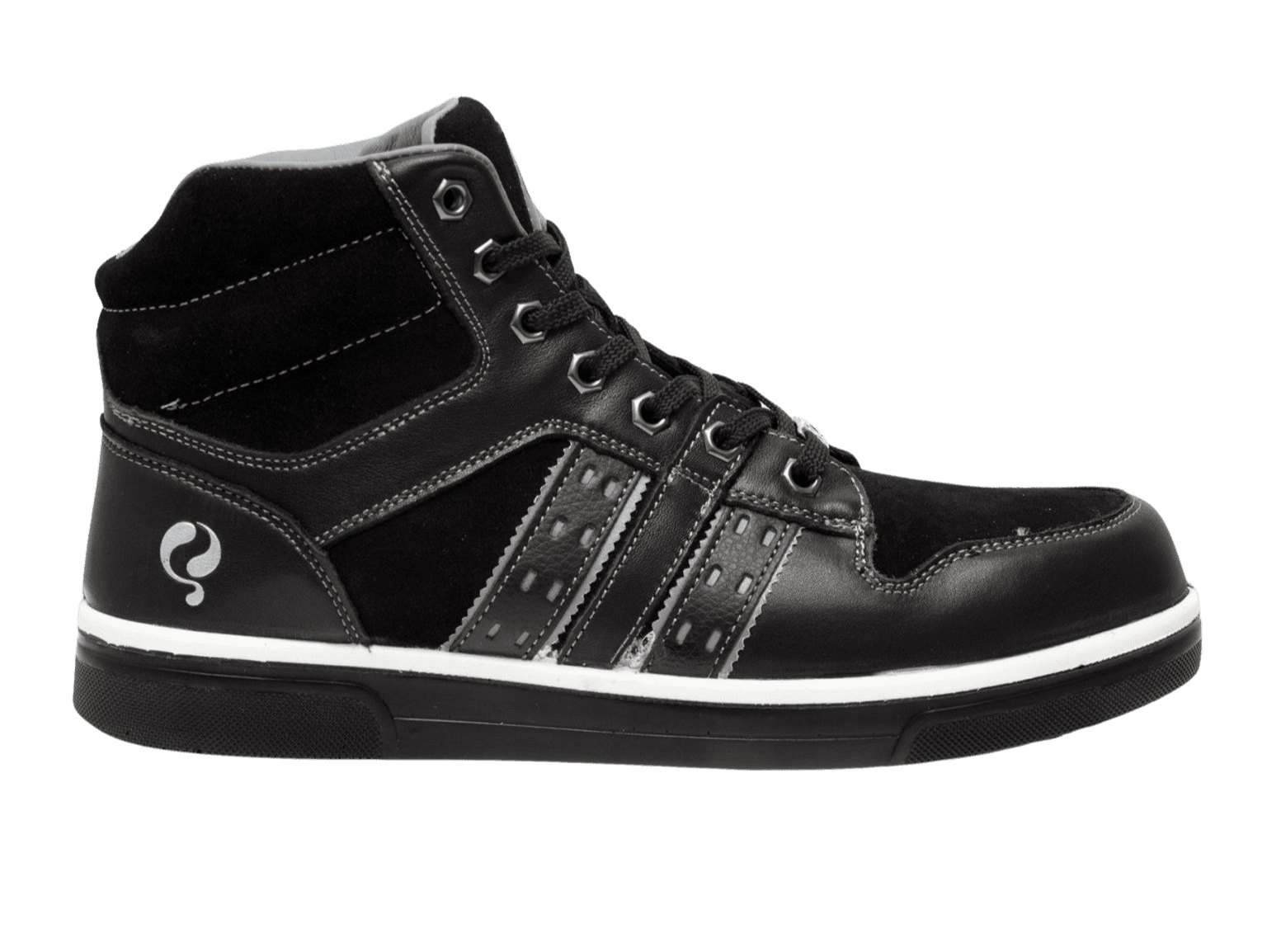
Quick Olympic Black
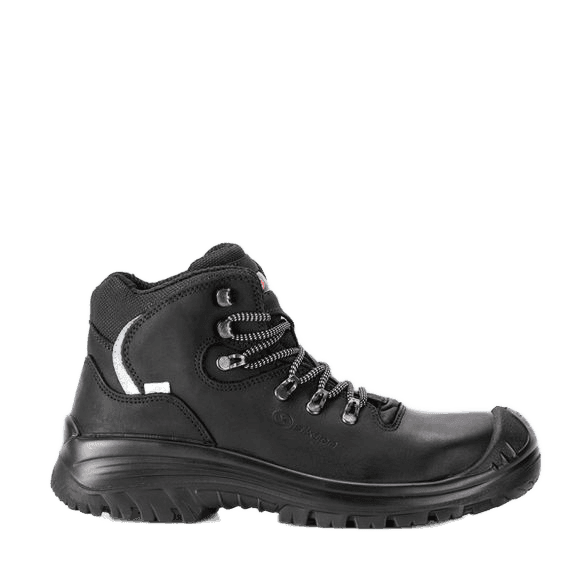
Sixton Corvara HDry
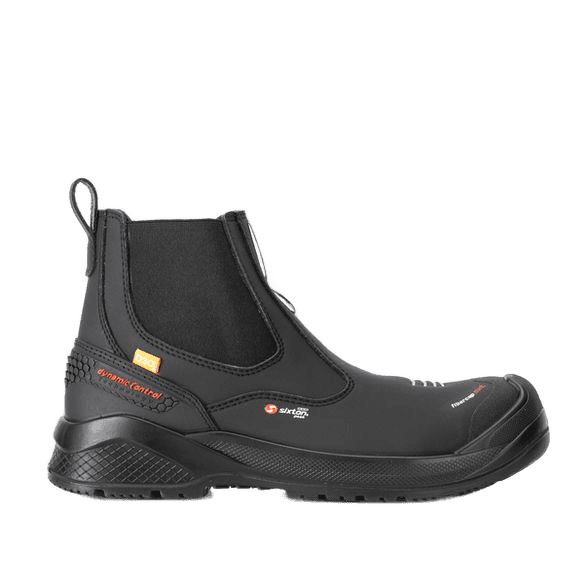
Sixton Forte
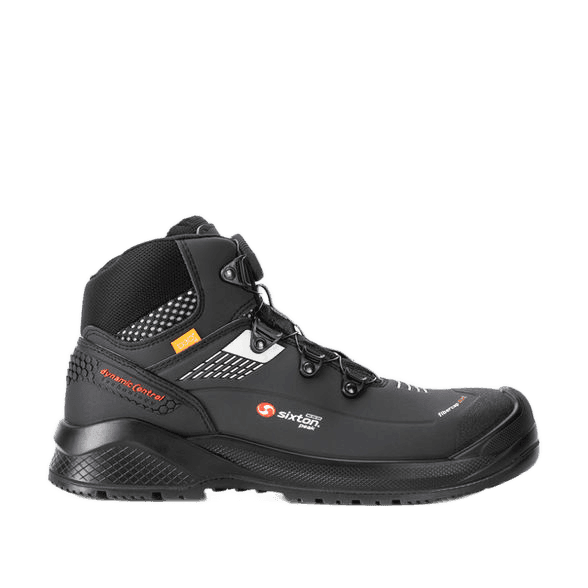
Sixton Muscle BOA High
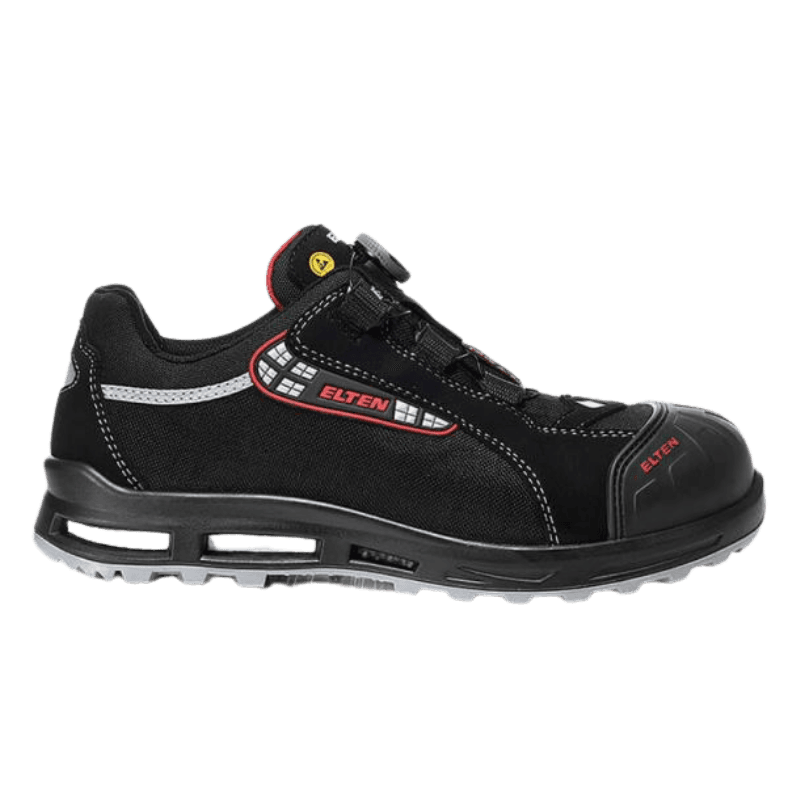
Elten Senex xxt pro boa
What are S3 work shoes?
Note: “waterproof” is not always the same
Difference S3, S1P, and S3S
Feature | S1P | S3 | S3S (EN ISO 20345:2022) |
|---|---|---|---|
Safety toe (200J) | Yes | Yes | Yes |
Closed heel, antistatic, heel cushioning | Yes | Yes | Yes |
Puncture protection in the sole | Yes (P) | Yes (part of class) | Yes (PS, “Small” test nail) |
Water-repellent upper | No (not required) | Yes (WPA/formerly WRU) | Yes (WPA) |
Profile sole / grip sole | Not standard required | Yes | Yes |
Fully waterproof (WR) | No | No (not standard) | No (not standard; look for WR/S7) |
S3 work shoes by profession
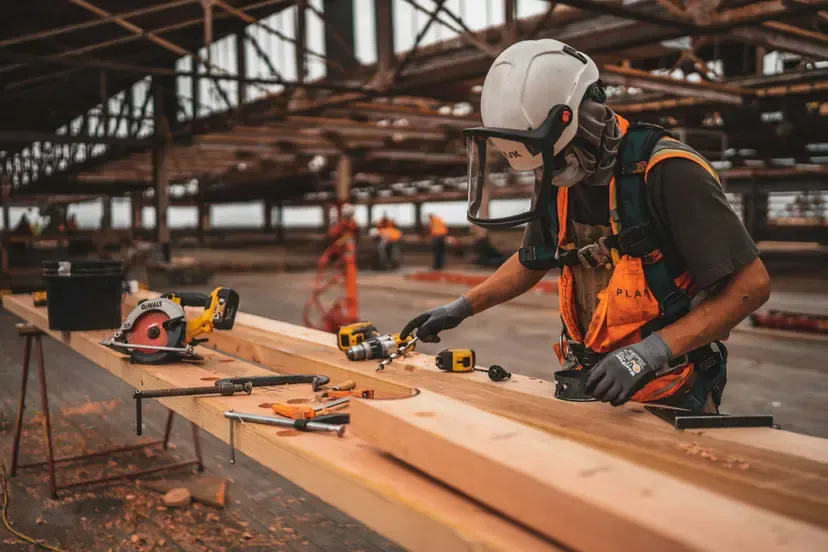
- Construction & deconstruction: Many varying surfaces, clutter on the floor, and the chance of protruding nails; choose S3 with a sturdy sole and good ankle stability (a higher model can be nice), and also check work shoes for construction workers.
- Industry & workshop: Think of falling parts, sharp remnants, and slippery floors; pay extra attention to grip indications (like SR in newer certifications) and choose a sole that fits with oil/fat on the floor.
- Gardeners & green: Wet ground, mud, grass, and a lot of walking; often a coarser profile and a water-repellent upper work well, also check work shoes for gardeners.
- Logistics & warehouse: A lot of steps on hard floors; prefer lightweight S3 safety shoes (e.g., with composite toe and flexible midsole) for less tired legs, as long as the workplace does require S3.
- Outdoor assembly, infrastructure & service: Rain, puddles, and varying surfaces; consider alongside S3 also a selection of waterproof work shoes if you often stand in really wet conditions.
Why choose S3 work shoes?
- Puncture resistant: The sole is designed to better absorb risks from sharp objects (like nails).
- More grip: S3 requires a profile sole; in newer certification, you can pay extra attention to SR for slip resistance.
- Suitable for changeable weather: S3 sets requirements for water repellency of the upper (WPA/formerly WRU), making it often more pleasant in rain and wet floors.
- Wide choice in comfort: There are sporty models, wider fits, and also S3 safety shoes for women (often with a women's last and smaller sizes) so you don’t “swim” in your shoes as much.
How do you choose the right (light) S3 work shoes?
- First choose your fit: normal, wide, or narrow; too loose causes friction, too tight creates pressure points.
- Do you stand a lot? Go for extra cushioning and a smooth roll-off; do you walk a lot outside? Prefer a sturdier upper and a coarser profile.
- Want lightweight S3 safety shoes: look for models with composite toe and non-metallic anti-perforation (like S3S/PS), which often feel lighter and less cold than metal.
- Are you unsure between indoors/outdoors? S1P is often enough for dry indoor work, S3 makes more sense once moisture and outdoor work come into play.
Maintenance (lasts longer)
- Let your work shoes dry at room temperature (not on the heater) to prevent drying out and cracks.
- Regularly remove mud and cement dust; dirt eats away at seams and materials.
- Use a spray or wax suitable for the upper material to maintain water repellency.
Frequently asked questions
What does S3 mean for work shoes?
Are all S3 work shoes waterproof?
What is the difference between S3 and S3S?
Is S3 mandatory in construction?
Questions fréquentes sur Safety Shoes S3
No, S3 mainly indicates a water-repellent upper (WPA/formerly WRU); for fully waterproof (WR), the shoe must be tested and marked separately.
S3 is a safety class within EN ISO 20345: you get the basic protection (such as safety toe, closed heel, antistatic, and heel cushioning) plus water resistance of the upper and puncture protection in the sole, with a profile sole for grip.
In EN ISO 20345:2022, S3 is divided into variants; S3S indicates that it has non-metallic penetration protection tested with a smaller test nail (stricter), while S3 in that classification leans on the 'classic' steel nail test.
What you need to wear really depends on the risks at the construction site (and the agreements/work instructions); on many construction sites, S3 is required as a minimum because you often encounter sharp objects and heavy materials there. Use the filters above and check out all S3 safety shoes to find your ideal pair—choose your size, fit, and desired features, and get to work safely (and comfortably).