
S1PL, S1PS, S3S, S3L, S7L & S7S
The new safety classifications for safety shoes explained
Published on Wednesday, December 10, 2025
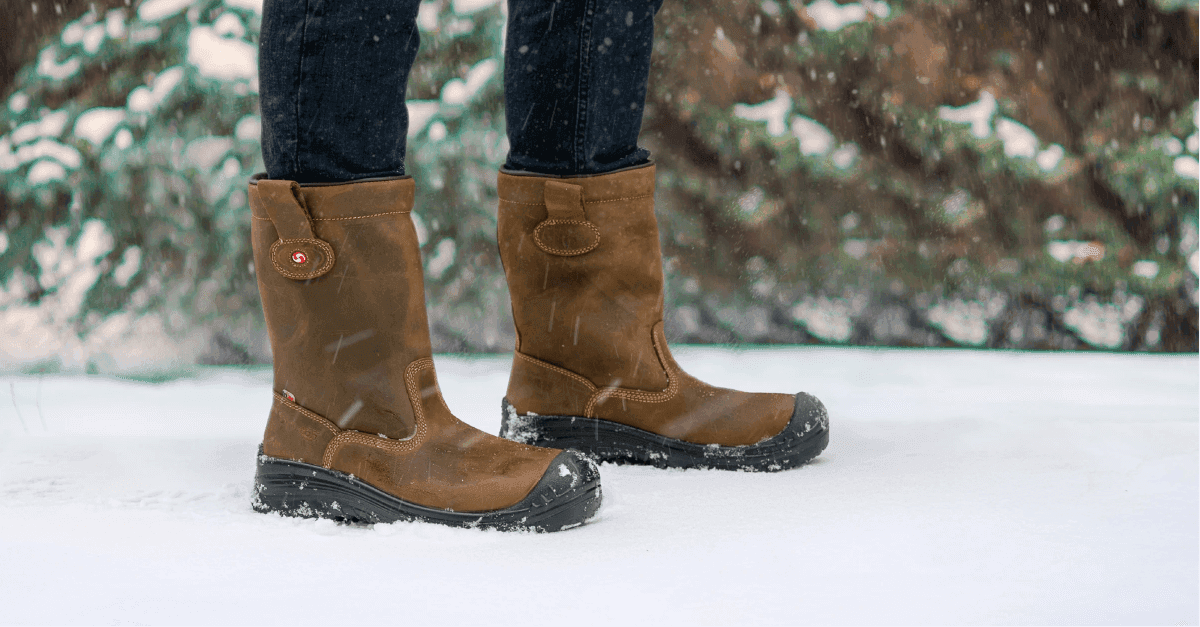
The standard EN ISO 20345:2022 has introduced new designations for safety footwear. In addition to the well-known S1, S2, and S3, we now see variants like S1PL, S1PS, S3L, S3S, S7L, and S7S. These additions clarify the level of protection a shoe offers, especially regarding penetration resistance and waterproofing.
The difference between “L” and “S”
- L: shoes with a puncture-resistant sole tested with objects of 3 mm wide. This provides extra security against fine nails, splinters, or metal shards.
- S: shoes with a puncture-resistant sole tested with objects of 4.5 mm wide. This offers extra safety for environments where large, hazardous objects are common.
The new classes explained
S1PL An extension of S1P. In addition to basic safety (safety toe, closed heel, antistatic, energy absorption in the heel), the shoe has a sole tested against penetration by objects of 3 mm. Suitable for dry indoor environments where sharp objects are on the floor.
S1PS Similar to S1PL, but the sole is tested against penetration by objects of 4.5 mm and the shoe features a waterproof membrane. Ideal for workplaces where moisture and sharp objects are present together.
S3L A variant of the classic S3 shoe. In addition to water-repellent upper material and slip-resistant sole, the shoe has a sole tested against penetration by 3 mm objects. Perfect for construction sites where comfort and flexibility are important.
S3S Everything that S3 offers, but with a sole tested against penetration by 4.5 mm objects and a waterproof membrane. Suitable for prolonged outdoor work in wet conditions.
S7L A new class that combines the properties of S7 with protection against sharp objects of 3 mm.
S7S The most comprehensive variant. S7S shoes have all the properties of S7 and provide protection against objects of 4.5 mm. Maximum protection in the toughest work environments.