
Men's work shoes
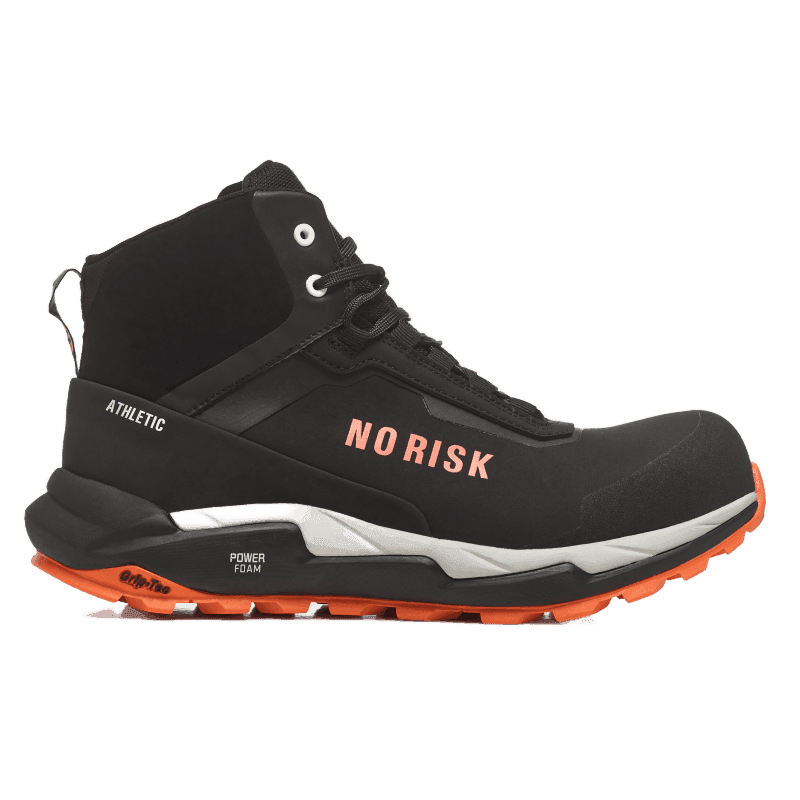
No Risk Athletic Mid STX Orange
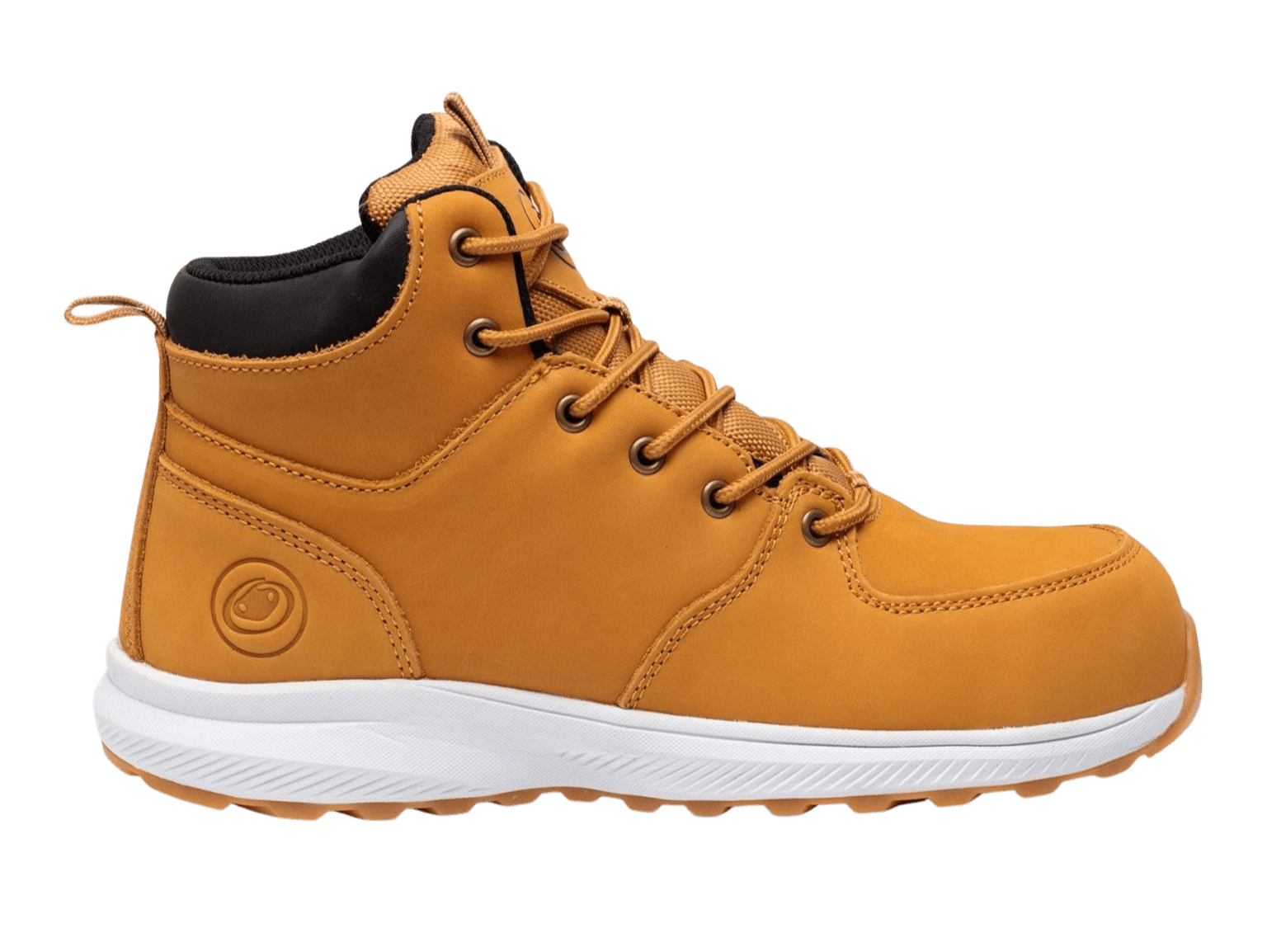
Python Legend Sand

Which work shoesuits you?
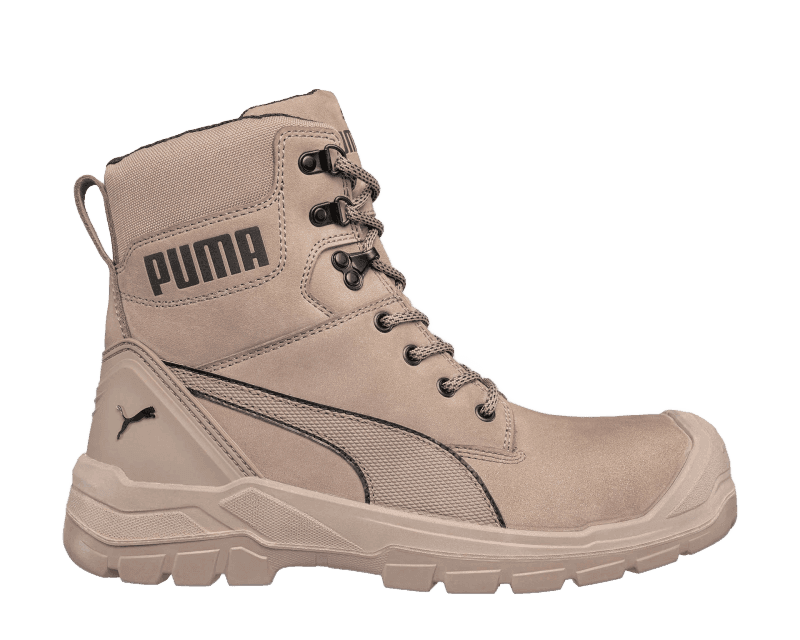
Puma Conquest Stone High 630740 S3
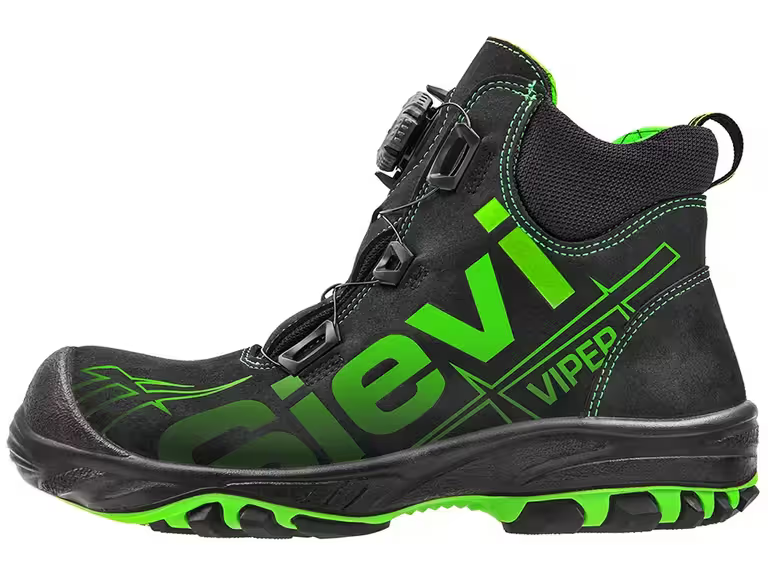
Sievi ViperX Roller High+

Timberland PRO Iconic Honey
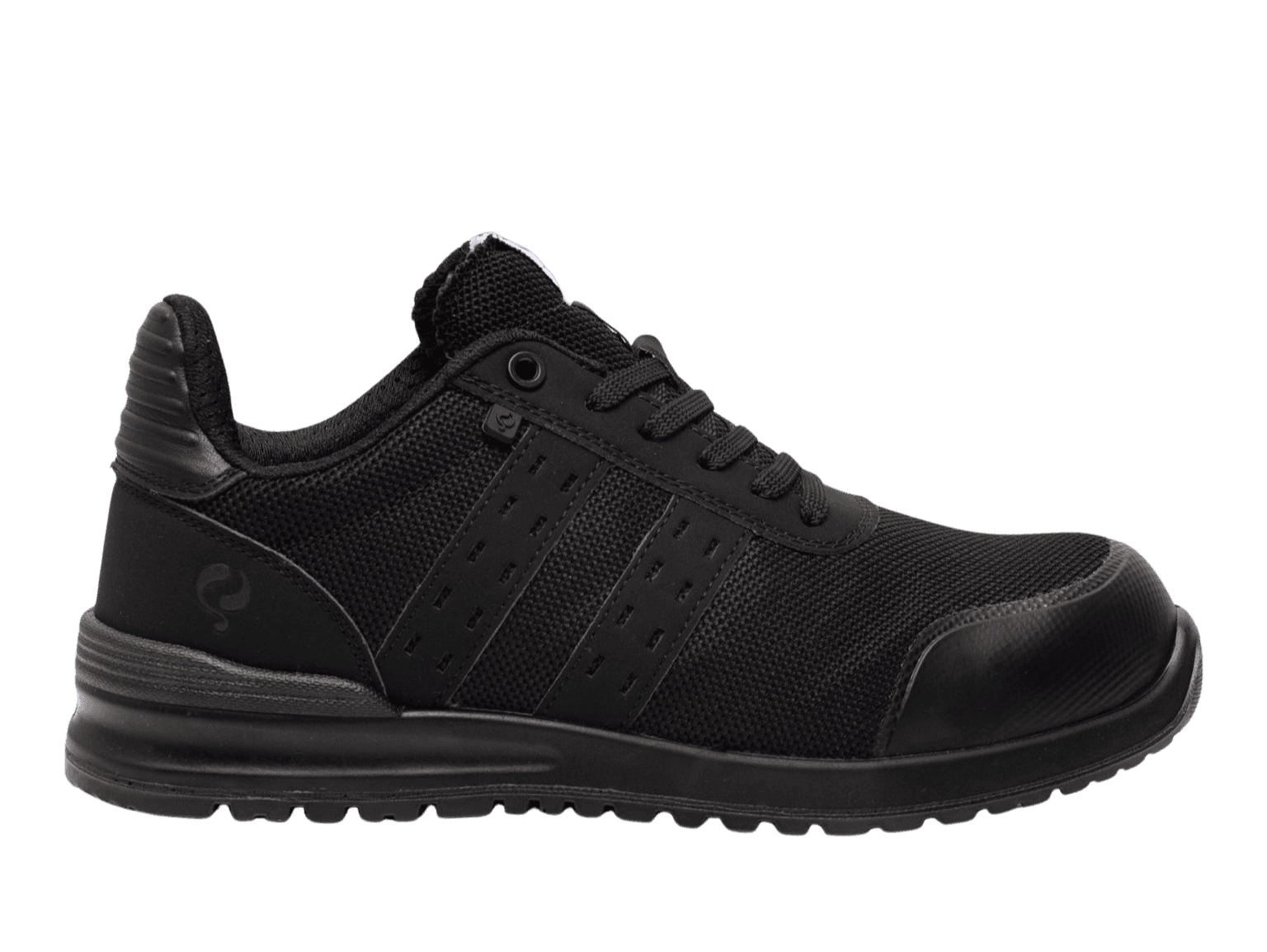
Quick Sprint Dark Low
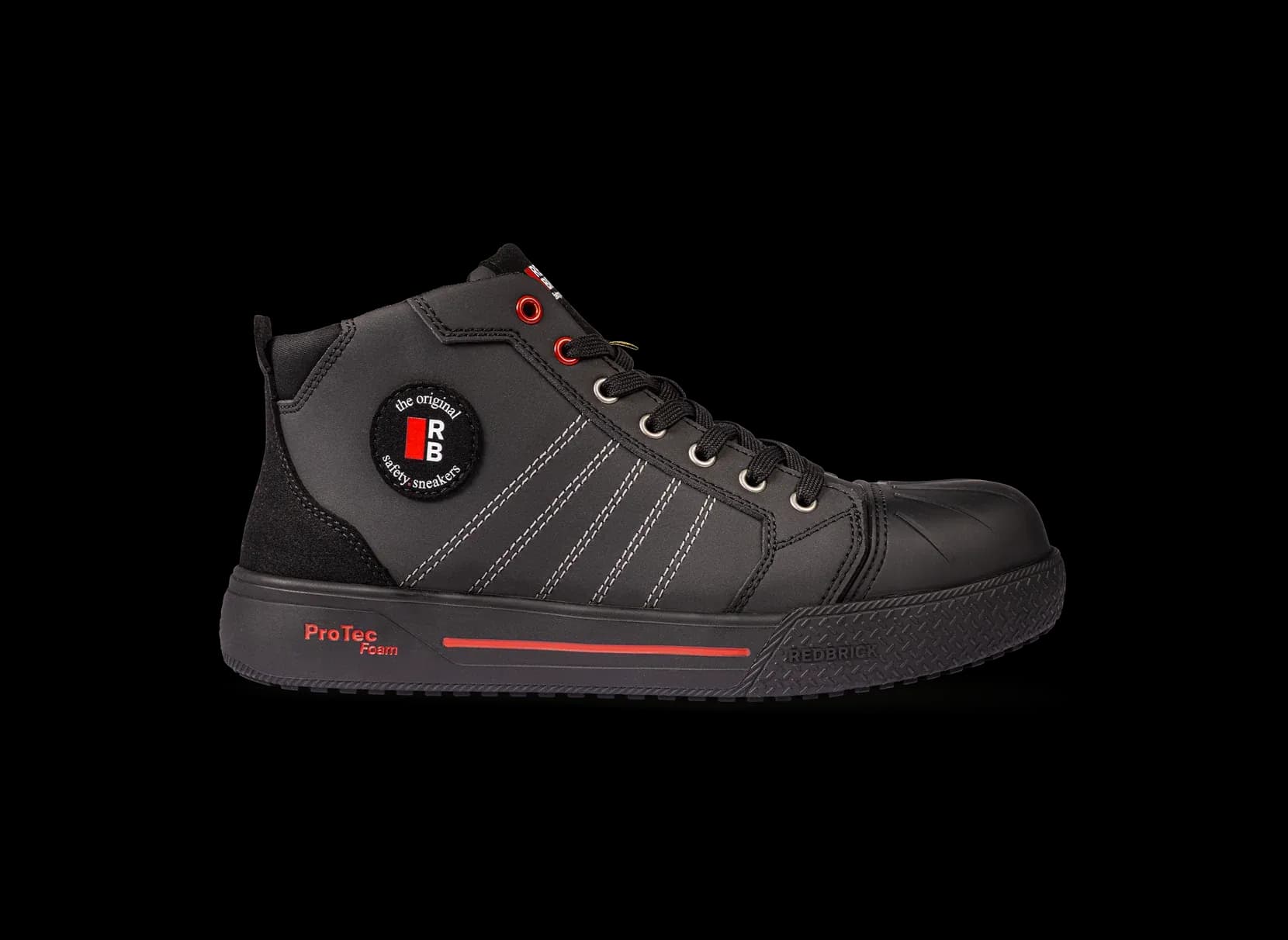
Redbrick Champ High

Puma Iconic Stone Low
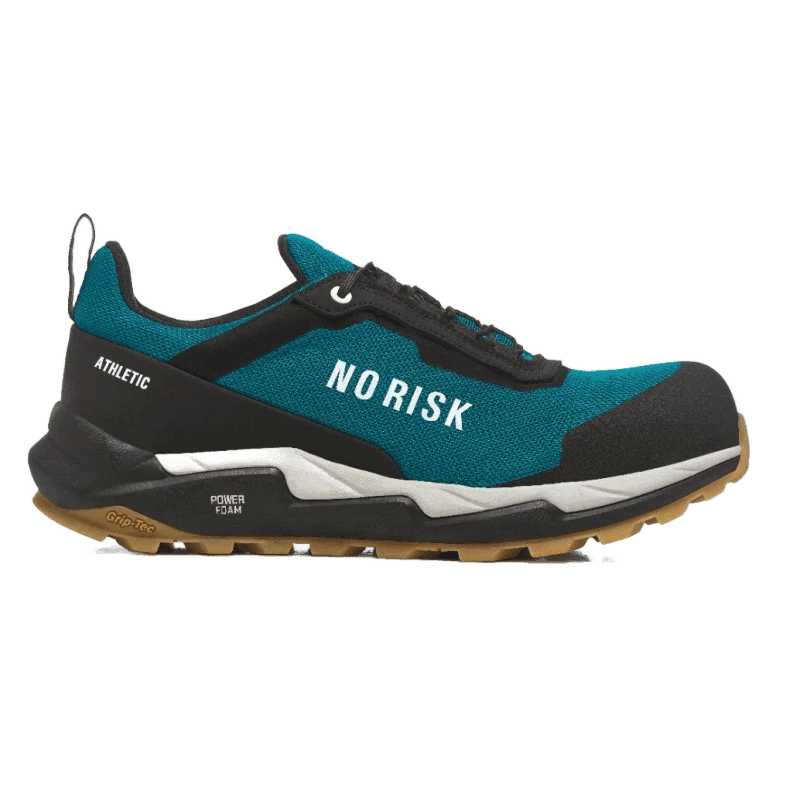
No Risk Athletic Low Blue
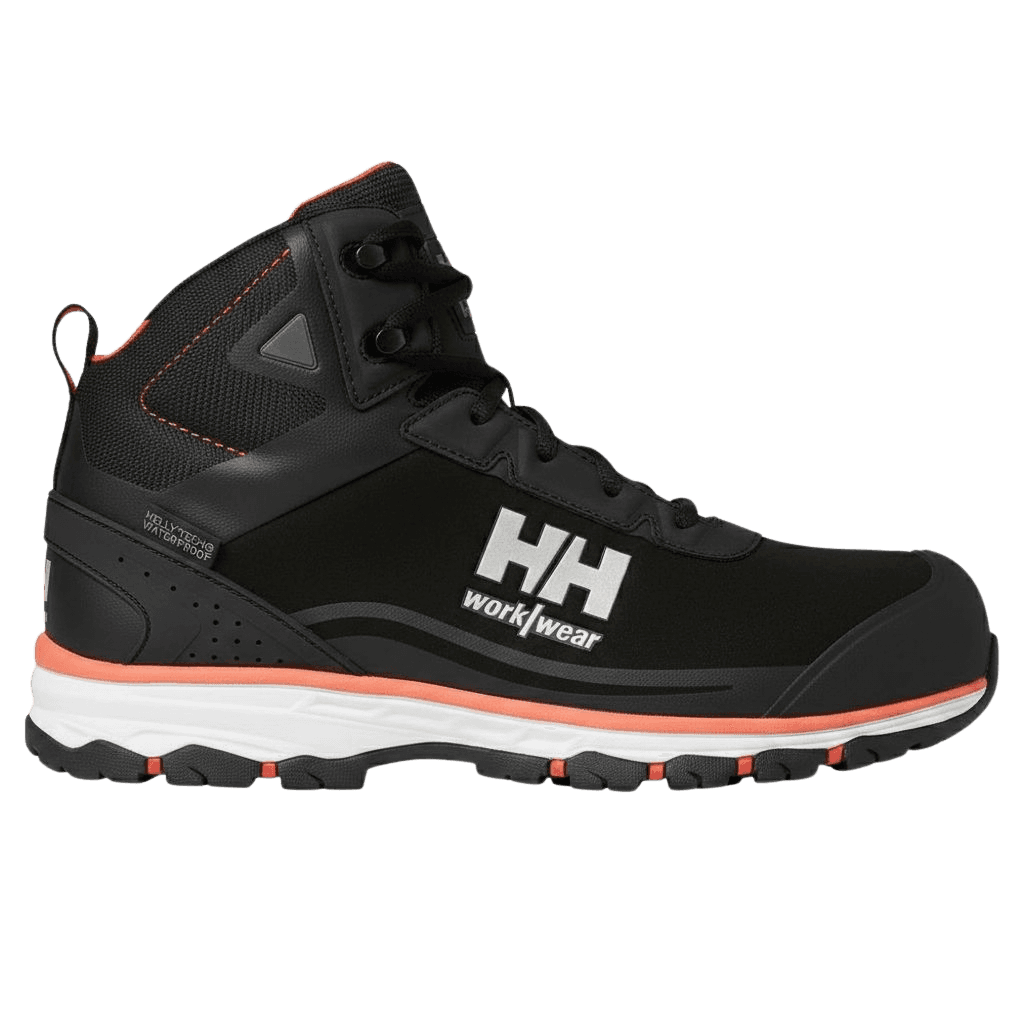
Helly Hansen Chelsea Evolution 78392 2.0 HT
Work shoes for men: what standard do you need?
S1P: for dry workplaces (with extra sole protection)
- Choose S1P if you mainly work indoors or in dry conditions, but do have a risk of sharp objects on the ground.
- Typical professions: warehouse & logistics, light industry, assembly, indoor installation work.
S3: for wet, rough, and outdoor work
- Choose S3 if you work outdoors, walk on construction sites, or regularly deal with moisture, mud, or rough terrain.
- Typical professions: construction & renovation, infrastructure, outdoor installation, transport (loading/unloading), agricultural work.
Useful extras: SRC and ESD (briefly explained)
Size advice for men's work shoes
Here's how to measure your size (at home, in 2 minutes)
- Measure at the end of the day; your feet will be the largest then.
- Stand on a sheet of paper, trace your foot, and measure the length from heel to longest toe.
- Leave about 0.5–1.0 cm of space at your longest toe for rolling and thick work socks.
Wide feet, high instep, or between sizes?
- Wide foot: choose a model known for a roomier fit; avoid 'pressure points' on the forefoot.
- High instep: pay attention to adjustability (laces/BOA) and a tongue that doesn't cut; too tight = quickly numb toes.
- Between two sizes: usually go for the larger size if you wear thick work socks or want to use an insole.
Insoles and comfort upgrades
- Do you have your own (orthopedic) insoles? Check if the footbed is removable and prefer a bit more volume in the shoe.
- If you stand and walk a lot: go for extra cushioning and a flexible rolling sole; it makes a difference at the end of the day.
Men's work shoes by style
Safety sneakers (sporty & light)
- For those who cover a lot of ground: often a great choice if you're looking for a lightweight feel in men's work shoes, with a sneaker look.
- Convenient in warehouses, service work, and indoor environments where you want to remain agile.
Low work shoes (lots of freedom of movement)
- Ideal if you kneel a lot, climb stairs, or get in and out of vehicles.
High work shoes (extra ankle support)
- Great for uneven terrain, heavier work, or if you prefer ankle support.
Work boots (maximum protection)
- Convenient for wet, muddy, cold conditions, or if you want extra protection around your lower leg.
Popular men's work shoes by brand
- Quick work shoes: sporty models that are great for a lot of walking.
- Elten work shoes: wide range in both sneaker style and sturdy work models.
- Lowa work shoes: popular among those who work outdoors a lot and seek a solid, stable shoe.
Buying men's work shoes: how to choose quickly and well
- Start with your risks: sharp objects on the floor, moisture, slippery surfaces, or a lot of walking.
- Then choose your standard: often S1P for dry indoors, S3 for wet/outdoor and rough work.
- Check the fit: enough room at the toes, no slipping at the heel, and no pressure on your instep.
- Choose your toe: men's work shoes with steel toes are still popular, but there are also alternatives if you prefer to feel less weight.
Maintenance and lifespan
- Let your work shoes dry at room temperature after your shift; avoid direct heat (radiator) to preserve materials and glue.
- If used intensively, preferably alternate with a second pair; this keeps cushioning and lining fresher for longer.
- Replace your insole on time; often your shoe will feel more stable and comfortable right after.
Frequently asked questions about Men's work shoes
Comfort mainly comes from fit (no pressure points), cushioning, and the right weight for your job. If you walk a lot, many men opt for a sportier model with good shock absorption; if you often stand still or work outdoors, stability and support are usually more important.
Yes, many men's models naturally have a wider fit, and some lines are noticeably broader at the forefoot and instep. Use the filters and pay attention to reviews/experiences regarding fit to quickly make the right choice.
For construction, you usually end up with S3 due to the combination of strong protection, puncture resistance, and suitability for rougher conditions. If you work a lot outdoors or in wet areas, also opt for a profile sole with good grip and a model that provides sufficient ankle support. Check out all men's work shoes above, filter by standards and style, and choose the pair you can confidently wear tomorrow.
Measure your foot at the end of the day and leave some extra room at the toes for rolling and work socks. If you're between two sizes or want to use an extra insole, then a half to whole size larger is often the safest choice.