
Extra comfortable work shoes
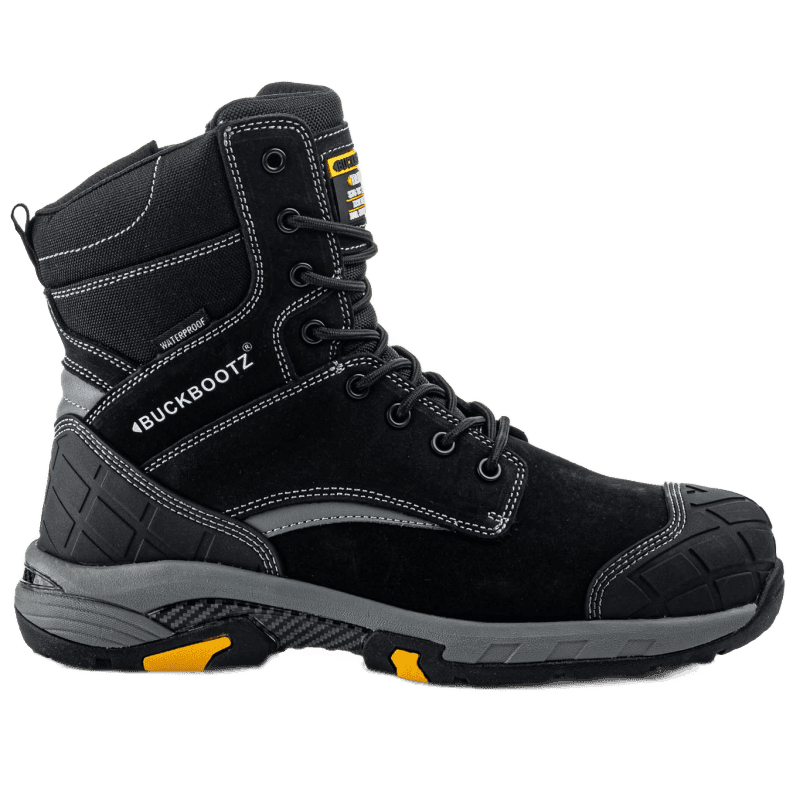
BuckBootz Tradez Blastz Black
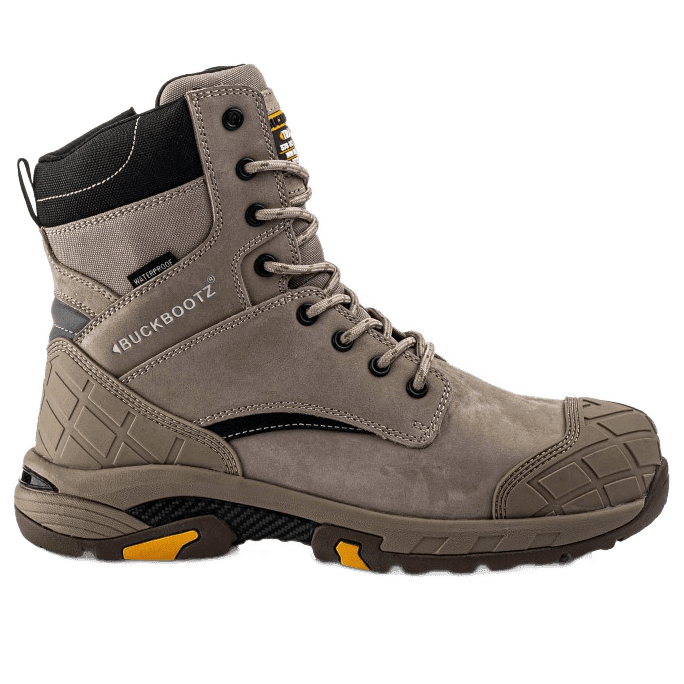
BuckBootz Tradez Blastz Stone

Which work shoesuits you?
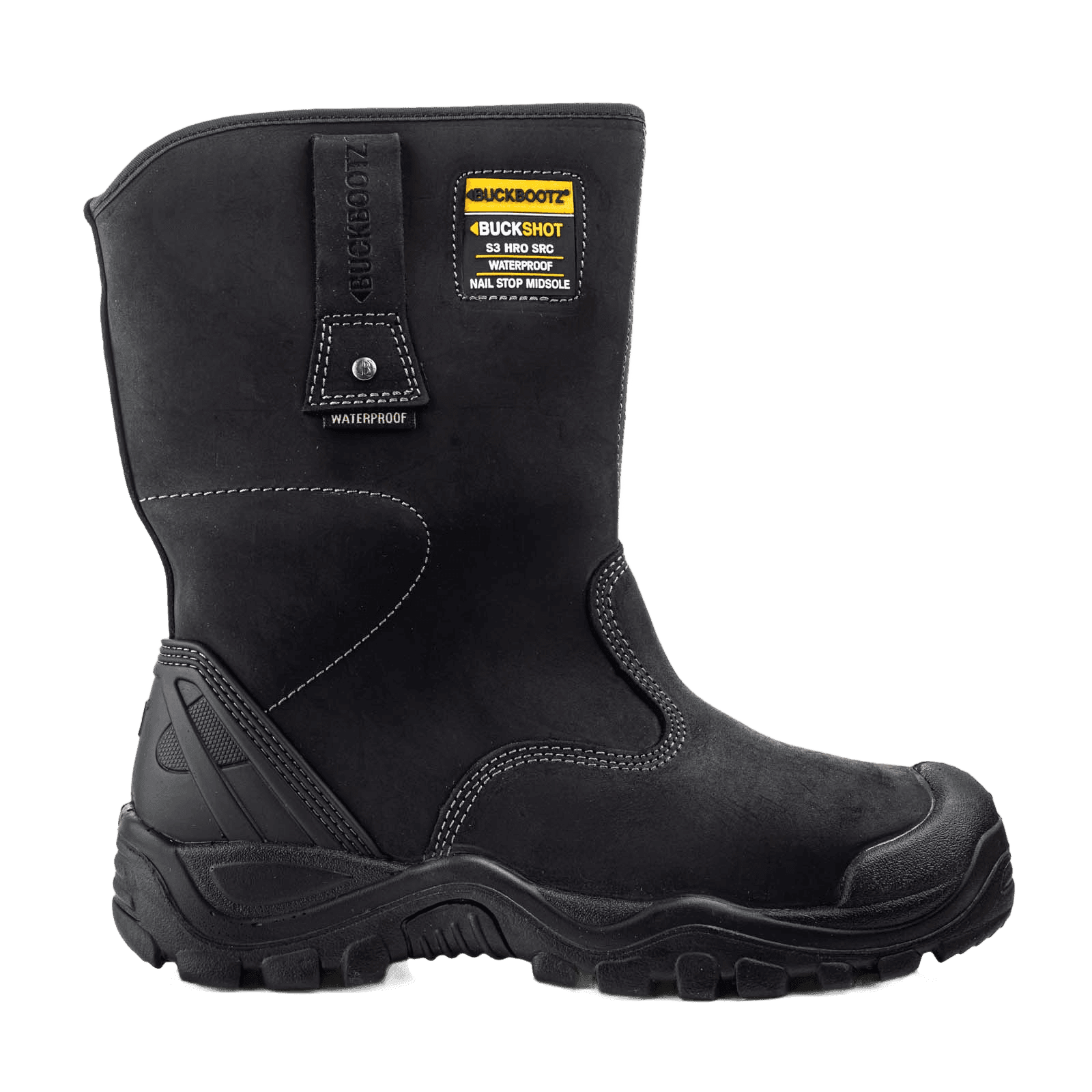
BuckBootz Buckshot BSH010 Black
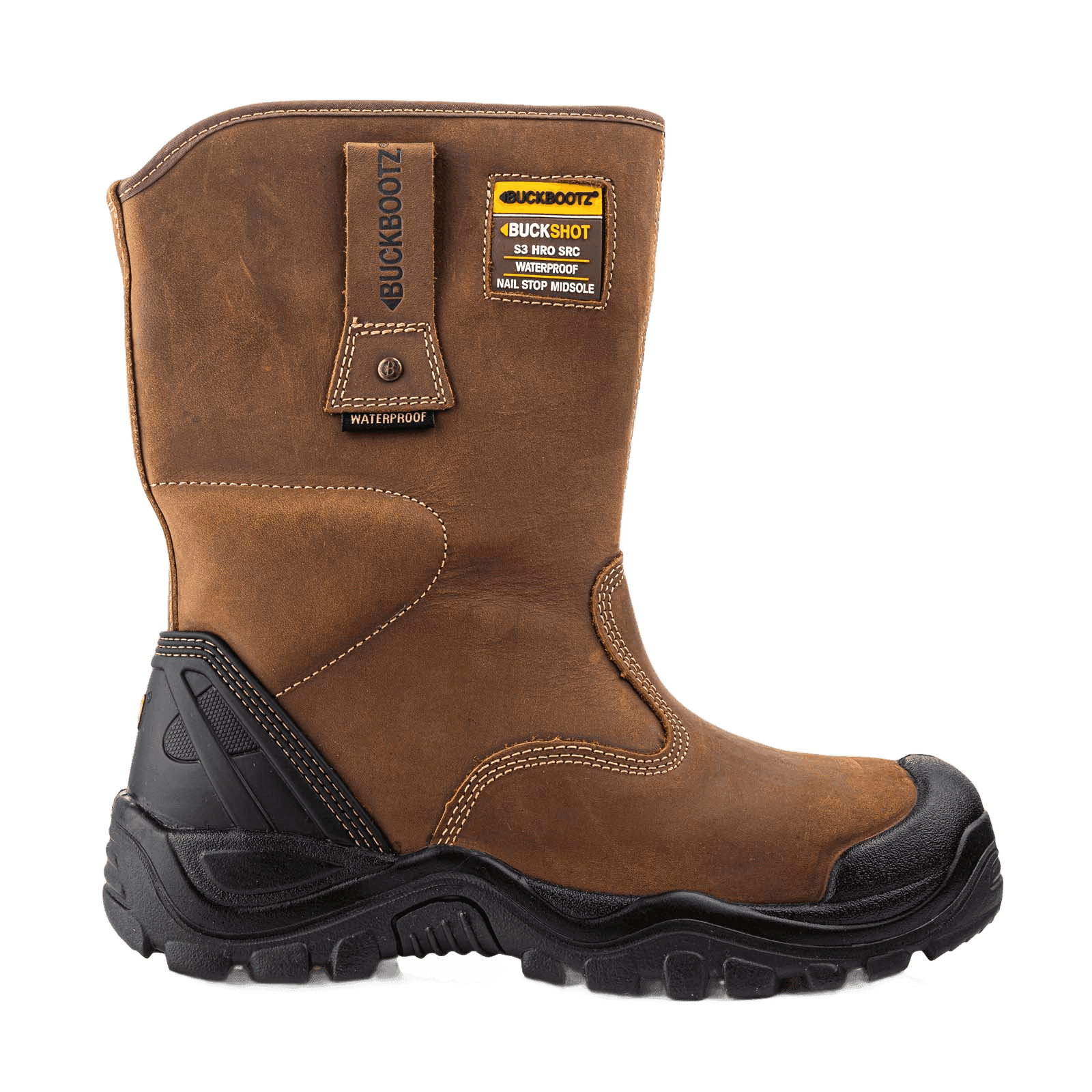
BuckBootz Buckshot BSH010 Brown
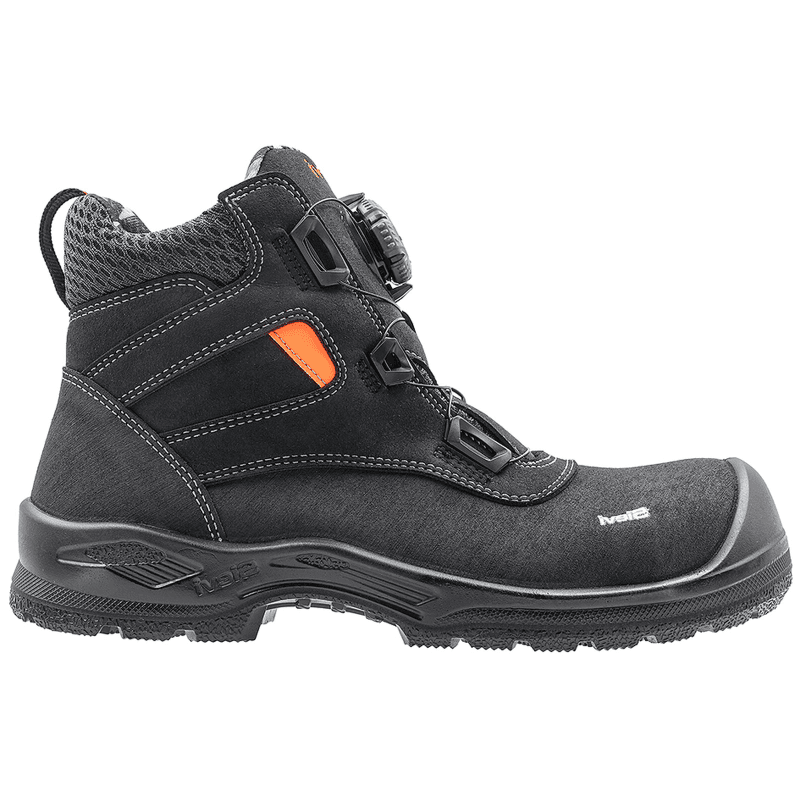
Sievi Roller High
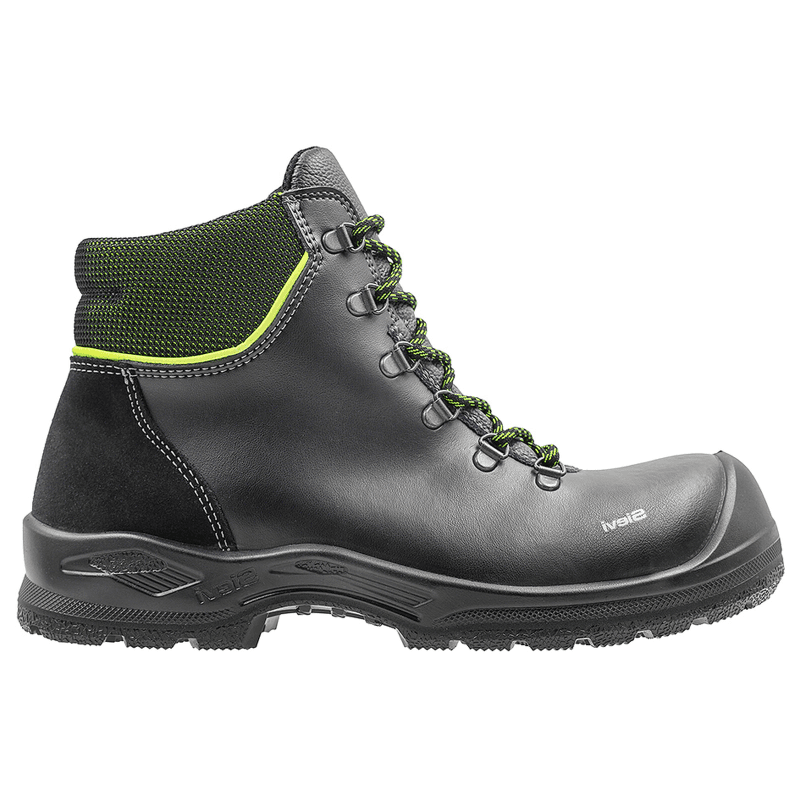
Sievi Matador High
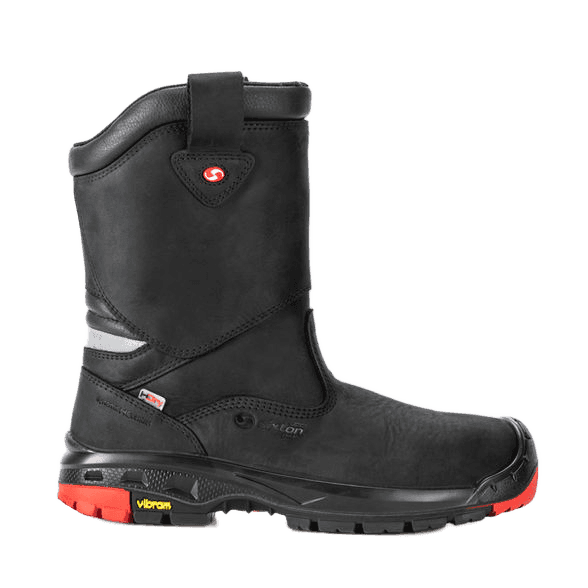
Sixton Canyon HDry Wool Black
What makes work shoes comfortable?
1) Cushioning (shock absorption)
- Look for a clear midsole (e.g., PU, EVA, or an energy-return core) instead of just a hard outsole.
- Pay attention to where the cushioning is: only in the heel is nice, but heel + forefoot is often more comfortable for a lot of walking.
2) Insole (support and pressure distribution)
3) Weight (less fatigue, especially with many steps)
4) Fit and stability
- Choose the right width and take the time to adjust laces/closure properly.
- Extra stability around the heel and midfoot helps if you do a lot of turning, climbing stairs, or standing on uneven floors.
Cushioning technologies compared
- ELTEN WELLMAXX / Infinergy®: A sole core with a clear rebound effect (energy return) designed to absorb shocks and give your step a “spring.”
- uvex i-PUREnrj: Sole technology that focuses on cushioning and returning walking energy through the sole to improve comfort and stability.
- Sievi FlexEnergy®: Spring element (especially in the heel) that provides shock absorption and returns some of the energy while walking.
- PU/PU or EVA + rubber (common): Often a bit more “neutral” than energy-returning cores, but still reliably comfortable if the fit is right and the insole is good.
Insocks for work shoes
Standard insole: when is it enough?
Orthopedic or support insole: when is it smart?
ESD and custom insoles
Comfortable work shoes by profession
- Warehouse & logistics: Lots of walking, turning, and picking; choose cushioning in the heel + forefoot, good grip, and preferably a somewhat sporty roll-off. Also check out work shoes for warehouse workers.
- Care, hospitality & service: Long shifts and a lot of standing; focus on low weight, soft cushioning, and a fit that prevents blisters. A sporty model from the safety sneakerscollection is often popular.
- Construction & installation: You want comfort, but also stability and protection; don’t go too minimalistic, and pay attention to S3 if you work outside/wet or have a chance of sharp materials underfoot.
- Transport & drivers: A lot of getting in and out and varying postures; choose smooth comfort, but with enough support in the midfoot and a nice insole.
- Many kilometers per day: Then every gram counts; also compare our lightweight work shoes and pay extra attention to cushioning + fit.
Frequently asked questions about Extra comfortable work shoes
Which work shoes are the most comfortable? The most comfortable work shoes are the ones that fit your workday: adequate cushioning for your surface, the right fit (not too narrow/too loose), and an insole that supports your foot. So, don't just compare on "softness", but also on stability and how the shoe rolls while walking.
Often yes, especially if the standard insole is removable. Make sure your foot doesn't sit too high (otherwise it will pinch the instep) and check with ESD work whether your own insole doesn't disrupt the ESD properties.
They can feel more comfortable if you walk a lot, as you lift less weight with each step. But comfort also heavily depends on fit and support: a slightly heavier shoe with better support can actually be nicer for standing for long periods.
Work shoes are designed for long-term wear, but how long they remain comfortable varies by person and model. If you start feeling pain after just a few hours, it's usually a sign that the fit, cushioning, or insole doesn't match your feet or work well. Choose your comfort favorites from the list, compare the cushioning and fit, and order directly—then you'll often notice the difference on your first workday.