
Redbrick work shoes
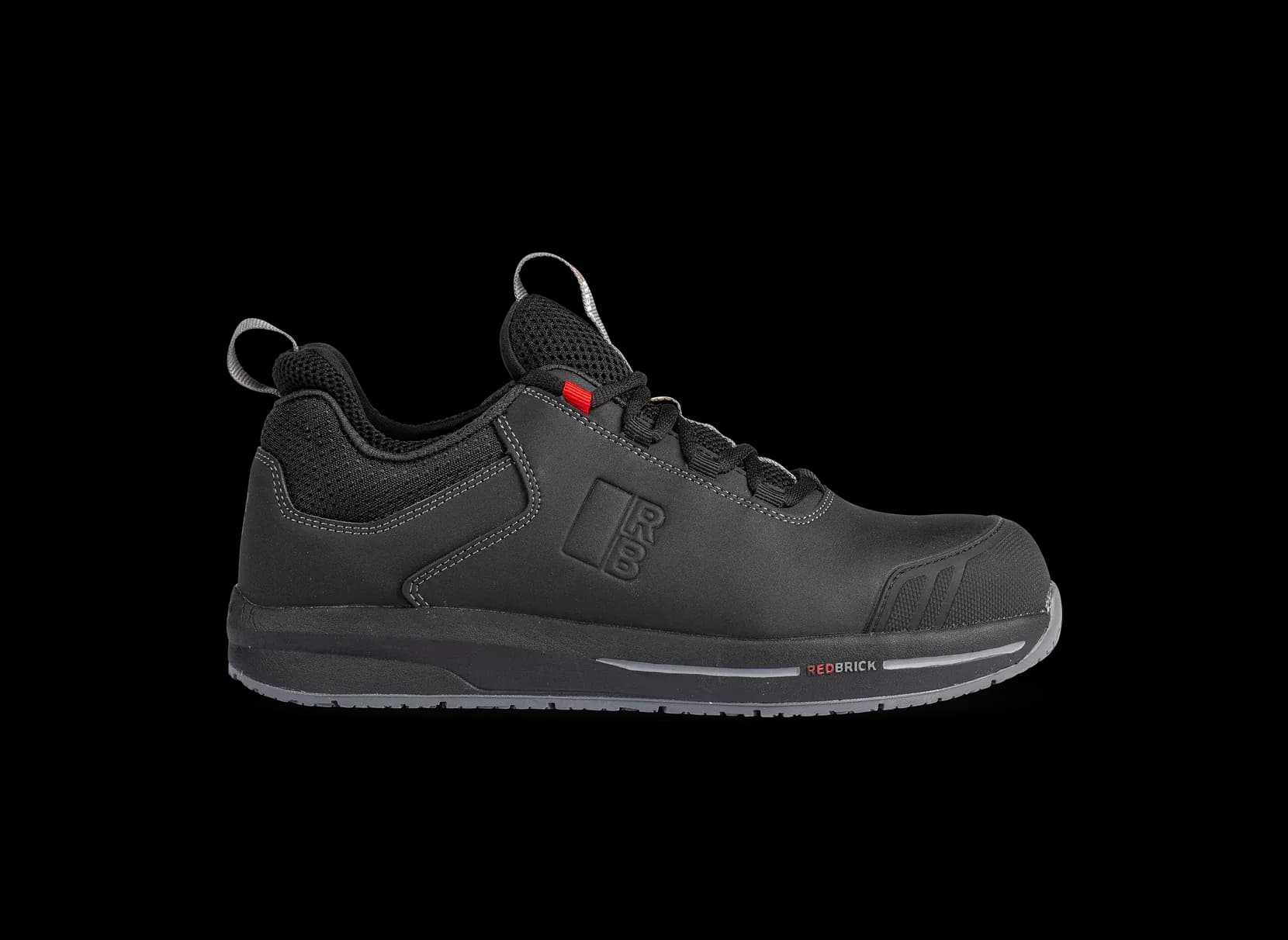
Redbrick Motion Shade
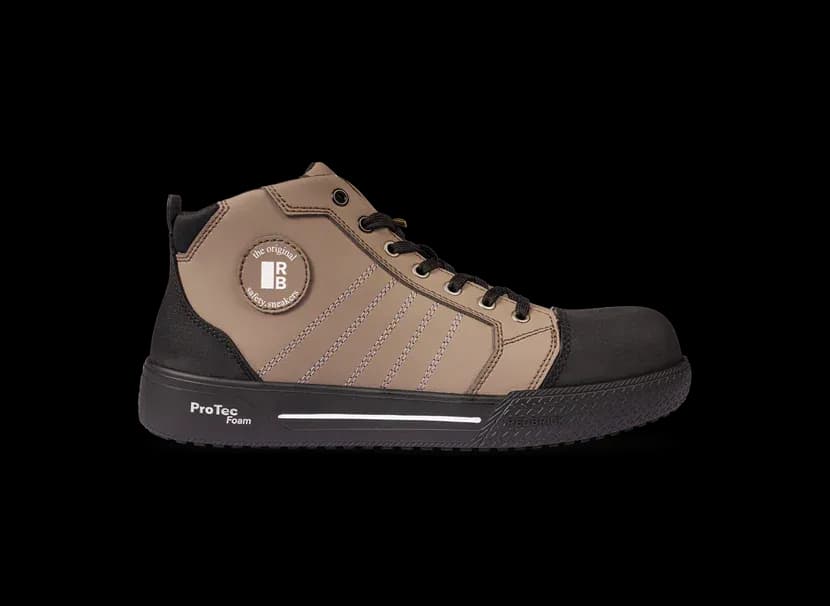
Redbrick Jump High

Which work shoesuits you?
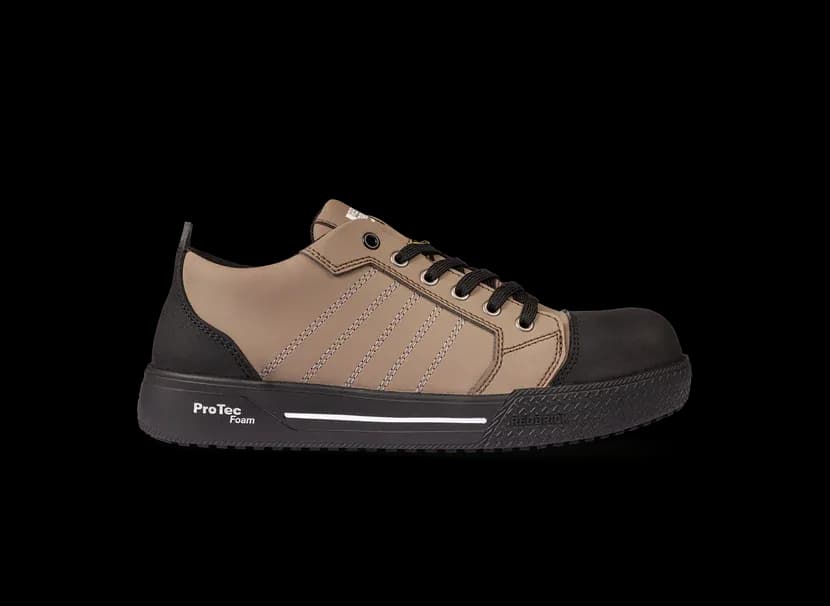
Redbrick Jump Low
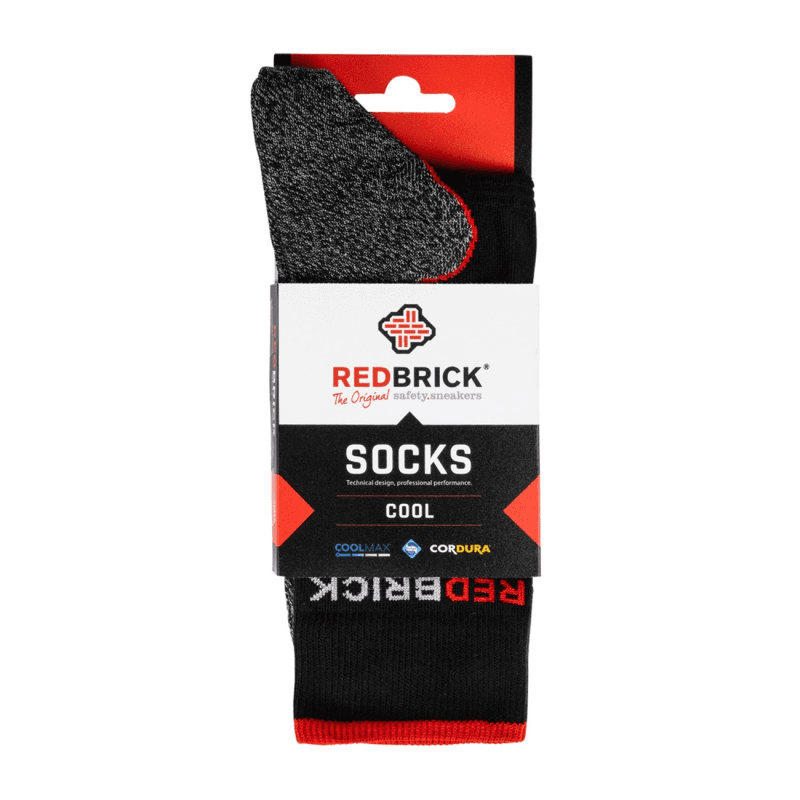
Redbrick Zomer Cool Sokken
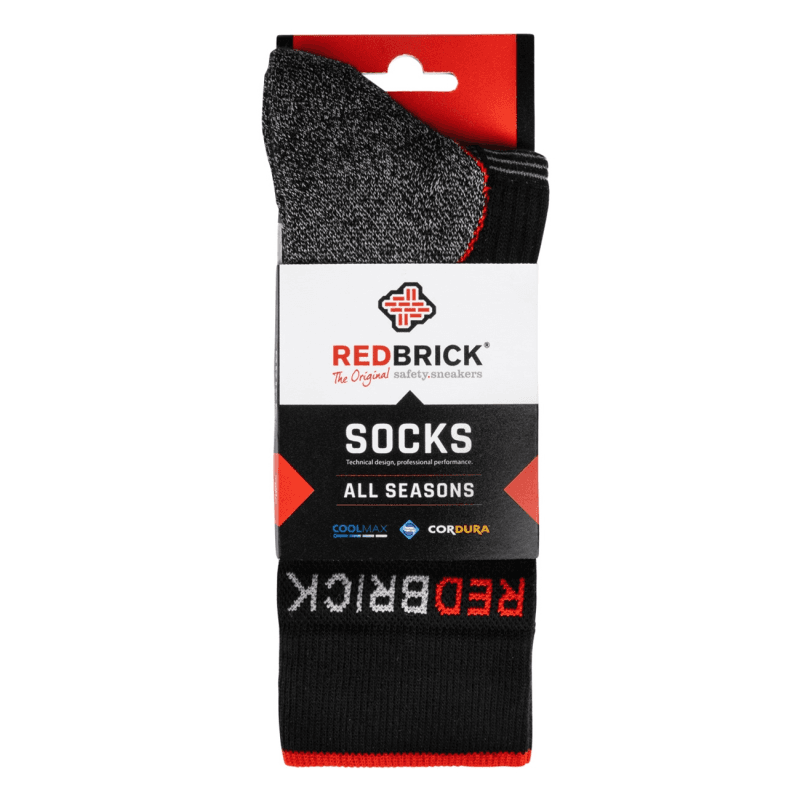
Redbrick All Season Sokken 25103
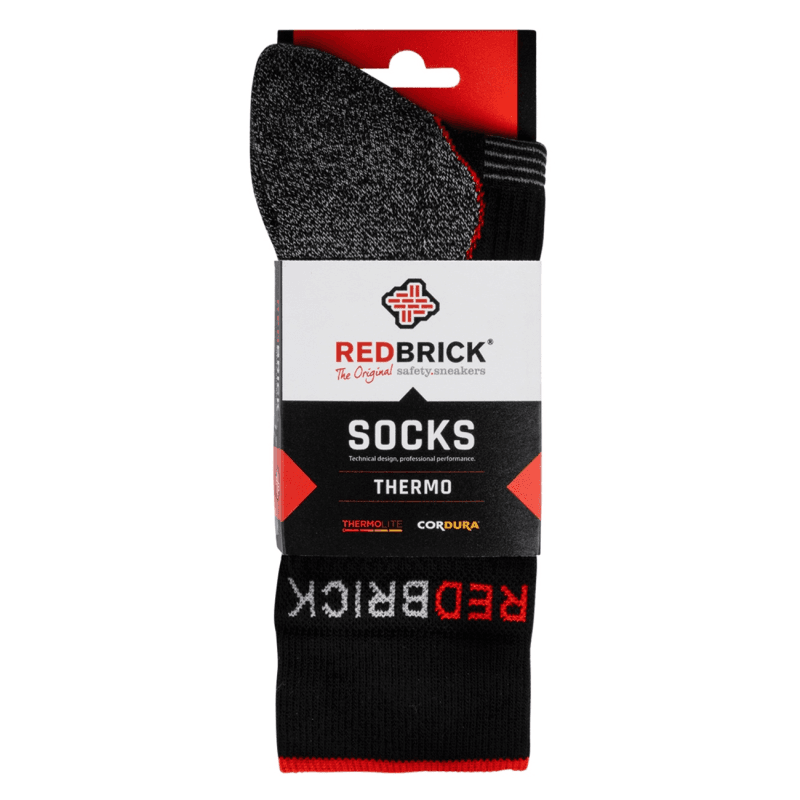
Redbrick Thermo Sokken
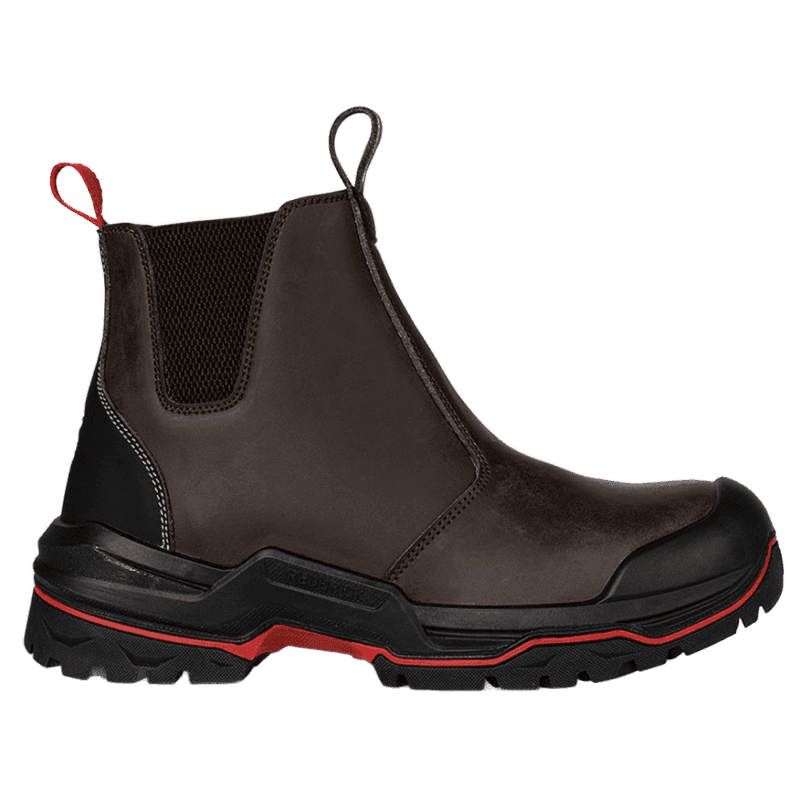
Redbrick Pulse Ankle Boot Brown
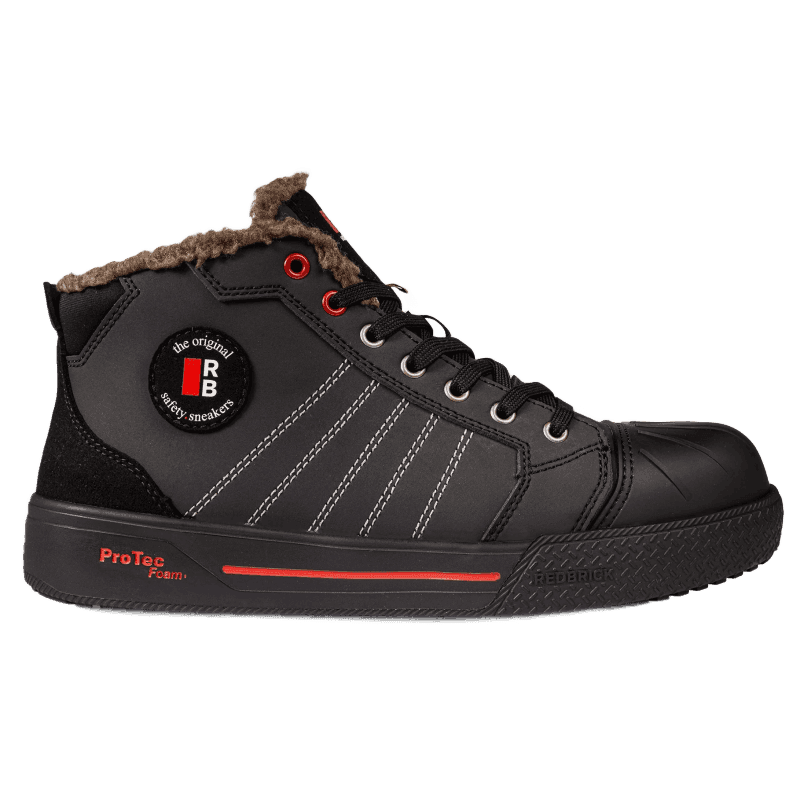
Redbrick Slam Zwart
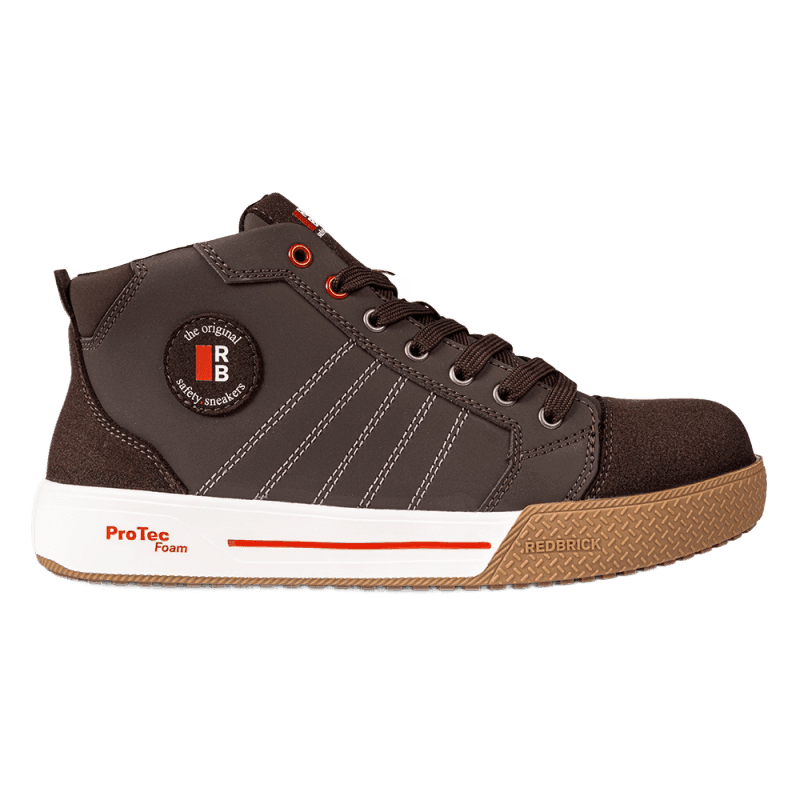
Redbrick Legend High Bruin
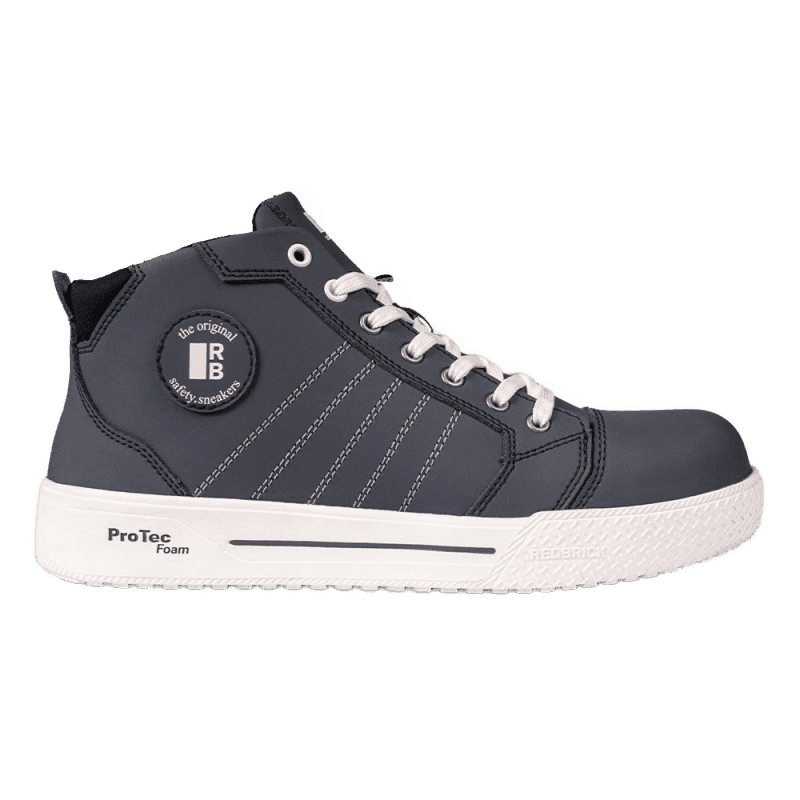
Redbrick Kick High
About Redbrick safety shoes
Redbrick technologies and features
Light and breathable thanks to modern materials
Safety toe and anti-perforation sole
Grip and stability on various surfaces
ESD properties
Redbrick safety sneakers by standard (S1P and S3)
- Choosing S1P if you primarily work indoors in a dry environment, walk a lot, and value comfort and lightweight (warehouse, logistics, retail, industry).
- Choosing S3 if you work outdoors, frequently encounter wet or rough ground, or are on a construction site with a risk of perforation.
Redbrick work shoes for men and women
Redbrick collection: from Motion to classic
Sporty safety sneakers for indoor and logistics
Robust Redbrick work shoes for outdoor work
High models for extra ankle support
Size and fit advice for Redbrick work shoes
- Measure your feet preferably at the end of the day when they are slightly swollen — that’s how they look after a few hours of work.
- Try on the shoes with the same work socks you normally wear on the job; thin sports socks will give a different result than thick socks.
- Ensure there’s enough space at the toes — there should be some room between your longest toe and the toe of the shoe.
- Watch for pressure points at the instep and heel: these are a precursor to blisters with prolonged wear.
- Some Redbrick lines may run slightly narrower; read the product description and reviews for specific fit info per model.
How to choose the right Redbrick safety shoes?
- Step 1 — Analyze your work situation: do you work primarily indoors or outdoors? On dry or wet ground? A lot of walking, standing, or kneeling? On a smooth surface or rough outdoor terrain?
- Step 2 — Choose the right standard: dry indoor environment without perforation risk → S1P. Outdoor work, wet conditions, or risk of nails/screws → S3.
- Step 3 — Low or high model: do you need a free ankle for a lot of movement and bending? Choose low. Want extra stability on uneven terrain? Choose a high model.
- Step 4 — Extra wishes: ESD-sensitive environment? Filter for ESD. Metal-free for gates or special workplaces? Filter for metal-free. A lot of walking? Prioritize lightweight and breathable materials.
Frequently asked questions about Redbrick
Redbrick combines the design of a modern sporty sneaker with all the requirements of a certified safety shoe. Traditional work shoes are often heavy, clunky, and not very stylish, while Redbrick models look like you're just wearing a pair of sports shoes. Yet, they incorporate a protective toe cap, puncture-resistant sole, and slip-resistant sole that meet European safety standards. For those who want a polished appearance at work without compromising on protection and comfort, this is a significant advantage.
Redbrick has models for both situations. The lighter, sneaker-like models in S1P are ideal for indoor work in warehouses, logistics, or industry. For construction or outdoor work, there are sturdier Redbrick S3 models with a coarser profile, water-repellent upper, and anti-perforation sole. These are suitable for wet conditions, muddy terrain, and workplaces where perforation is a real risk. Always check the standards and specific features of the model when purchasing to ensure the right choice.
S1P is the standard for dry indoor situations: the shoe has a closed heel, antistatic properties, energy absorption in the heel, and a puncture-resistant sole, but is not specifically water-resistant. S3 goes further and additionally requires a water-repellent upper, a puncture-resistant sole, and a clearly defined profile sole. S3 is therefore suitable for outdoor, construction, and wet or demanding conditions. Simply put: choose S1P for dry indoor work and S3 for outdoor or riskier work environments.
Yes, Redbrick has specific models for women that are tailored to a female last. They generally fit slightly narrower than the unisex or men's models, providing a better fit for most women's feet. Always measure your feet at the end of the day and combine this with the socks you wear at work. If a model runs smaller, it's wise to choose a half to a whole size larger. Check the product description for specific fit tips for each model.
Many Redbrick models are specifically designed for people who are on their feet for a full shift. Thanks to materials like knit, mesh, and EVA midsoles, most safety sneakers from the collection weigh significantly less than classic work shoes. You’ll notice that weight difference at the end of a long day: less fatigue in your legs and feet. For maximum comfort when walking a lot, it’s best to choose an S1P model from the lighter lines and pay attention to the product info regarding sole thickness and material weight.
Regularly clean Redbrick safety shoes after use with a soft brush or damp cloth to remove sand, mud, and dirt. For leather or synthetic uppers, use a mild cleaner suitable for the material; avoid aggressive chemicals that can damage it. Allow the shoes to dry at room temperature after use — never directly on a heater or in full sunlight, as this can dry out the material and warp the midsole. Use shoe trees to maintain their shape and replace the insoles in a timely manner if they become worn. Proper maintenance can significantly extend the lifespan of your Redbrick work shoes.