
Ladies' work shoes
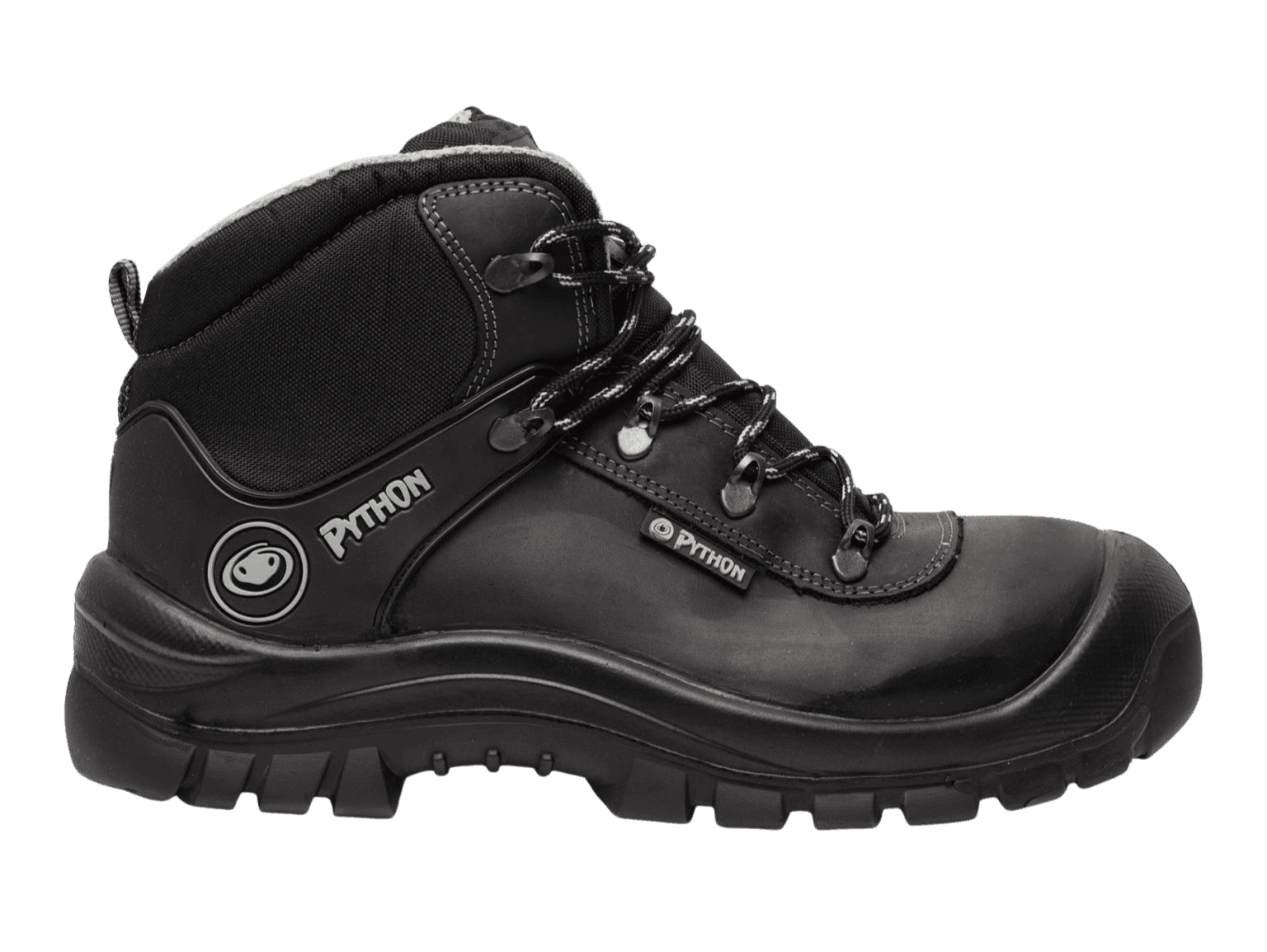
Python Vancouver PS5000
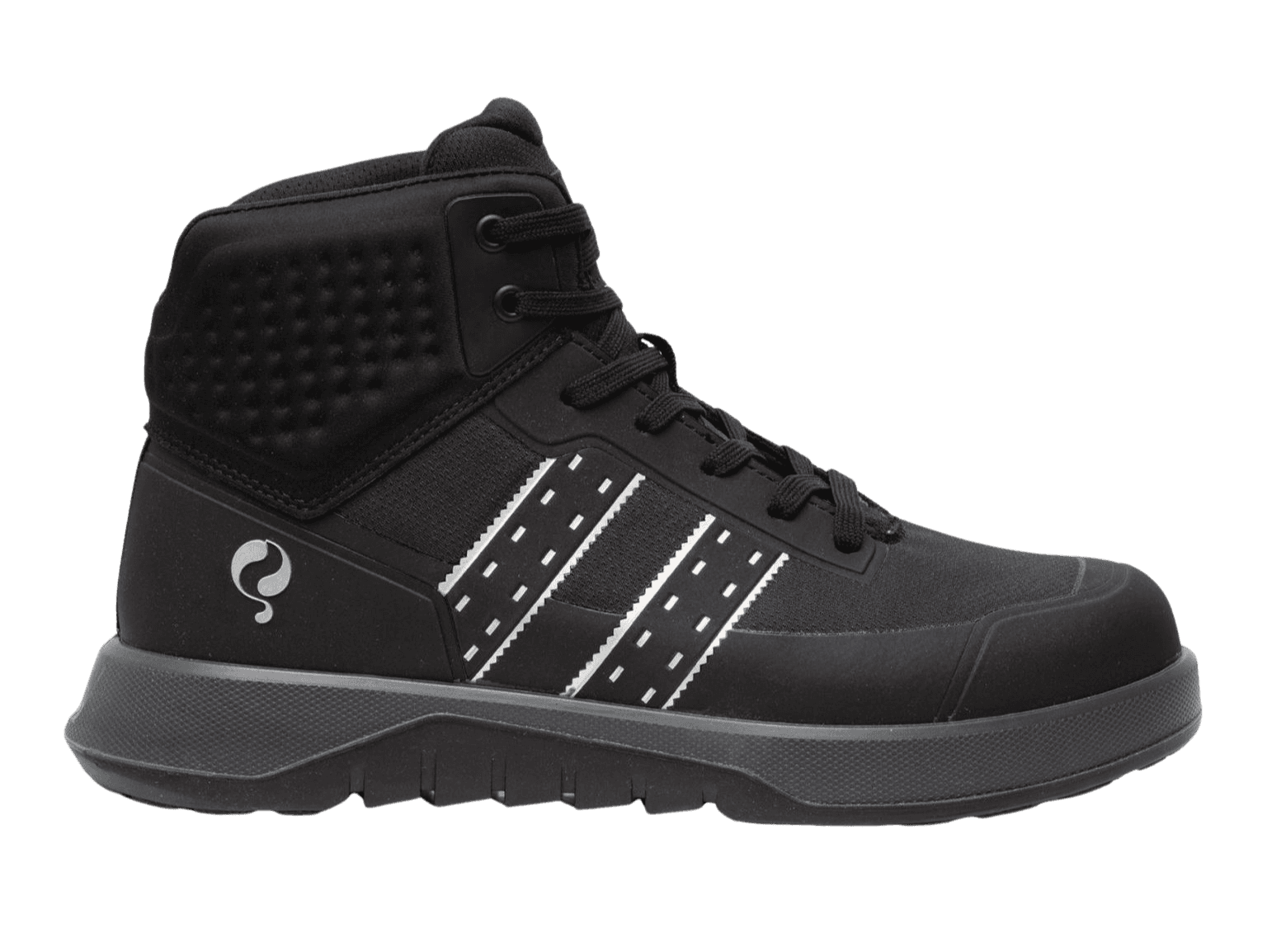
Quick Urban High

Which work shoesuits you?
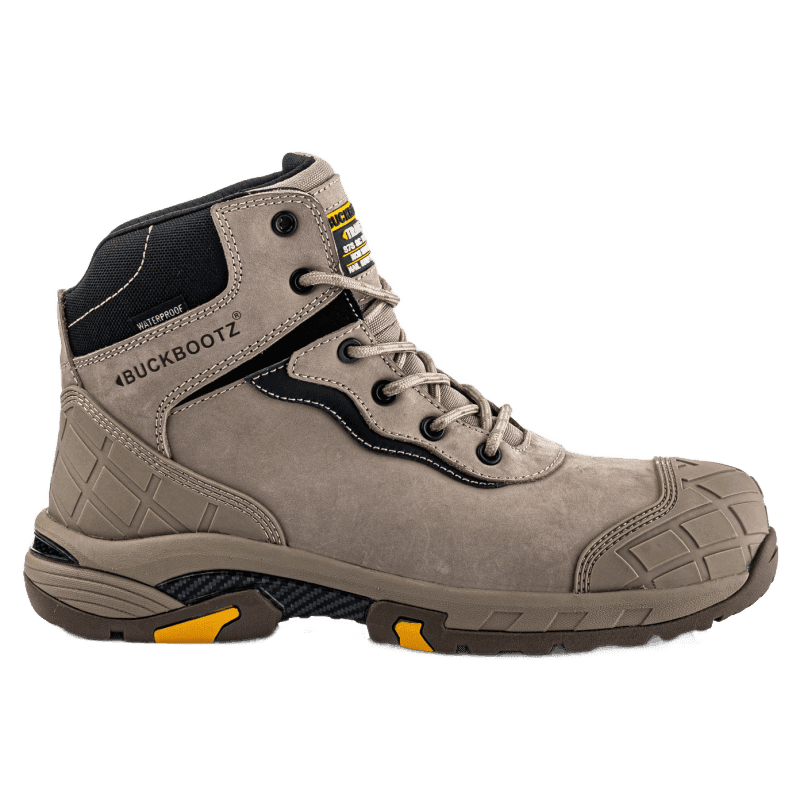
BuckBootz Tradez Blitz Stone
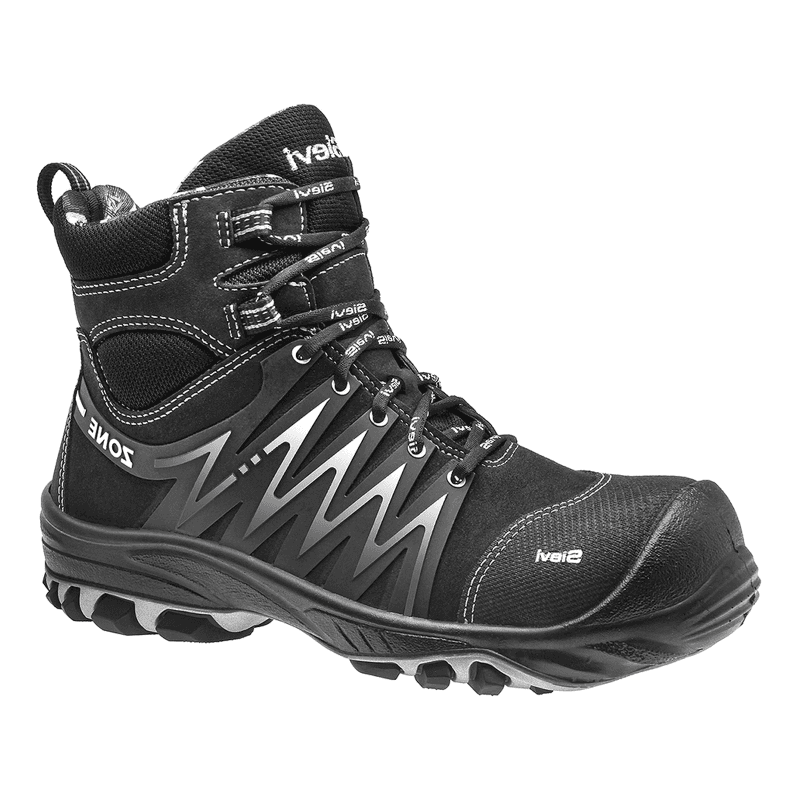
Sievi Zone 2+ High
.png&w=3840&q=75&dpl=dpl_7woY1gC9nkSrxC7yf3EQq6bqMKLD)
Grisport Safety Cross Nordic
.jpg&w=3840&q=75&dpl=dpl_7woY1gC9nkSrxC7yf3EQq6bqMKLD)
Helly Hansen Chelsea EVO BOA 78245 Black
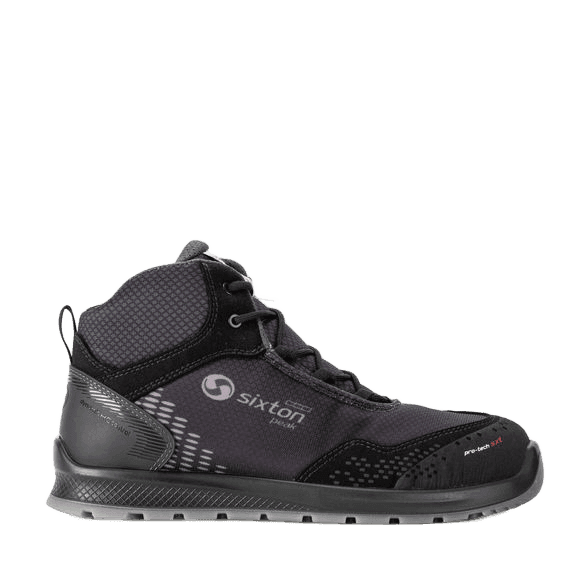
Sixton Auckland High
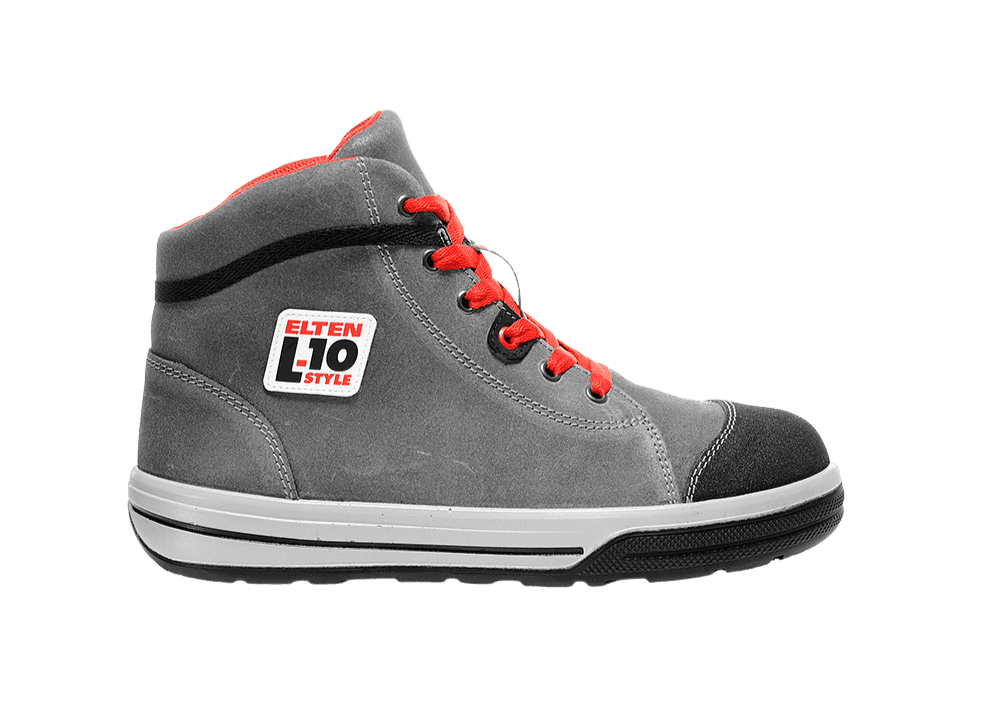
Elten Vintage Pirate Mid Cut
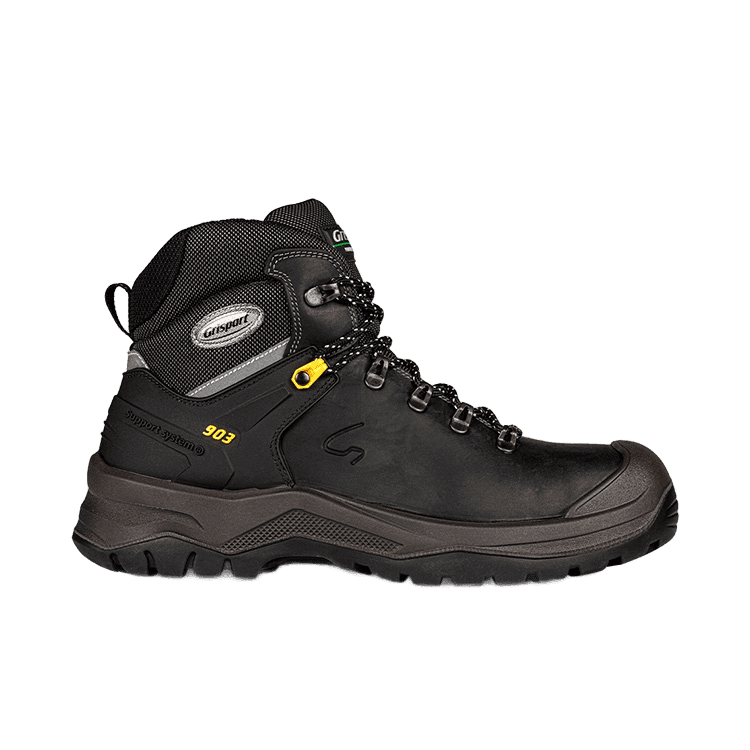
Grisport Safety 903L (803L)

Python Toronto PS5001
Difference between women's and men's work shoes
When can you wear a men's model instead?
Women's work shoes by style
Sporty: safety sneakers
Extra support: high models
Plenty of freedom of movement: low models
Trendy without compromising on safety
Size advice for women's work shoes
How to measure your size (at home in 2 minutes)
- Measure at the end of the day: your feet are slightly larger due to warmth and strain.
- Put on your work socks (or the socks you wear at work) and stand with your heel against a wall on a sheet of paper.
- Mark your longest toe and measure the distance from wall to mark in centimeters.
- Allow about 0.8–1.2 cm of “toe space” for comfort and rolling, especially if you choose women's work shoes with a steel toe.
Women's work shoes by profession
Construction and outdoor work
Warehouse and logistics
Office, workshop, and light technical work
Which safety standard fits your work?
- S1P: for indoor and dry environments; often with puncture-resistant sole and toe protection.
- S2: suitable for drier work environments where water repellency is important.
- S3: extra all-round for outdoor/rough work; often combines water repellency, puncture resistance, and grip.
- ESD: helps to discharge static electricity in a controlled manner (handy in electronics/sensitive environments).
- SRC: slip resistance test; great if you work on smooth floors.
Comfort check: how to prevent blisters and pain
- Pay attention to heel closure: your heel should not “click” up and down while walking.
- Check the instep: laces should close securely without pressure points.
- Test the rolling: your foot should roll naturally; if the sole feels like a plank, you’ll tire faster.
- Choose the right moment: try new women's work shoes in the afternoon/evening with work socks.
Maintenance and lifespan of women's work shoes
- Clean regularly: brush away mud and dust to prevent the material from drying out.
- Use a suitable spray or maintenance product for your upper material (leather/plastic/textile).
- Replace insoles in time: this often makes the biggest difference in freshness and cushioning.
- Check the sole: if the tread is smooth, you lose grip and therefore safety.
Frequently asked questions about Ladies' work shoes
Often yes: women's models are regularly developed on a different last, which can result in the heel, instep, and ankle fitting differently. This can lead to less slipping, fewer pressure points, and more comfort for a woman's foot.
Measure your foot in centimeters while wearing your work socks and ensure there's enough room for your toes. If you're between two sizes, it's usually better to go slightly larger than too tight, as safety shoes give less than regular shoes.
Yes, there are more and more sporty and modern models that look like sneakers or lifestyle shoes, but still meet safety standards. Pay special attention to the standards and fit: the appearance is a nice bonus, but comfort and safety must be right.
In construction, a higher safety class is often required because you deal with rough terrain, the risk of falling materials, and sharp objects on the ground. Always check which standard your employer or client mandates, and choose accordingly. Ready to choose? Check out all the women's work shoes above, filter by your size and standard, and select the model that best fits your workday.