
Warehouse Employees
Work shoes for warehouse work should primarily provide grip, protection, and comfort during long shifts. On this page, you'll find work shoes for warehouse staff and logistics work, so you can quickly choose the right safety footwear.
Use the filters to select by standard (like S1P or S3), size, closure, and extras like slip resistance or lightweight. Do you see a model that fits your workplace? Be sure to check the sole grip and toe type before you order.
105 results
Popular filters
S3
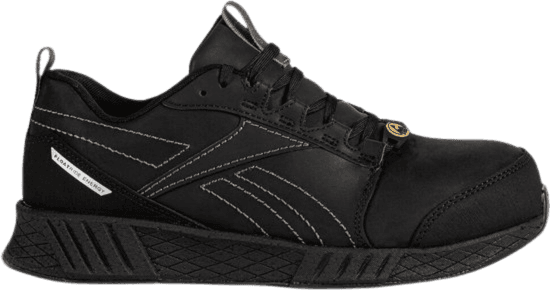
Reebok Fusion Flexweave Work 1080
Flexweave® upperSporty sneaker lookvery good shock absorption
€ 154,95
€ 128,06 excl. VATS3S
Onze keuze
+ 1 colors
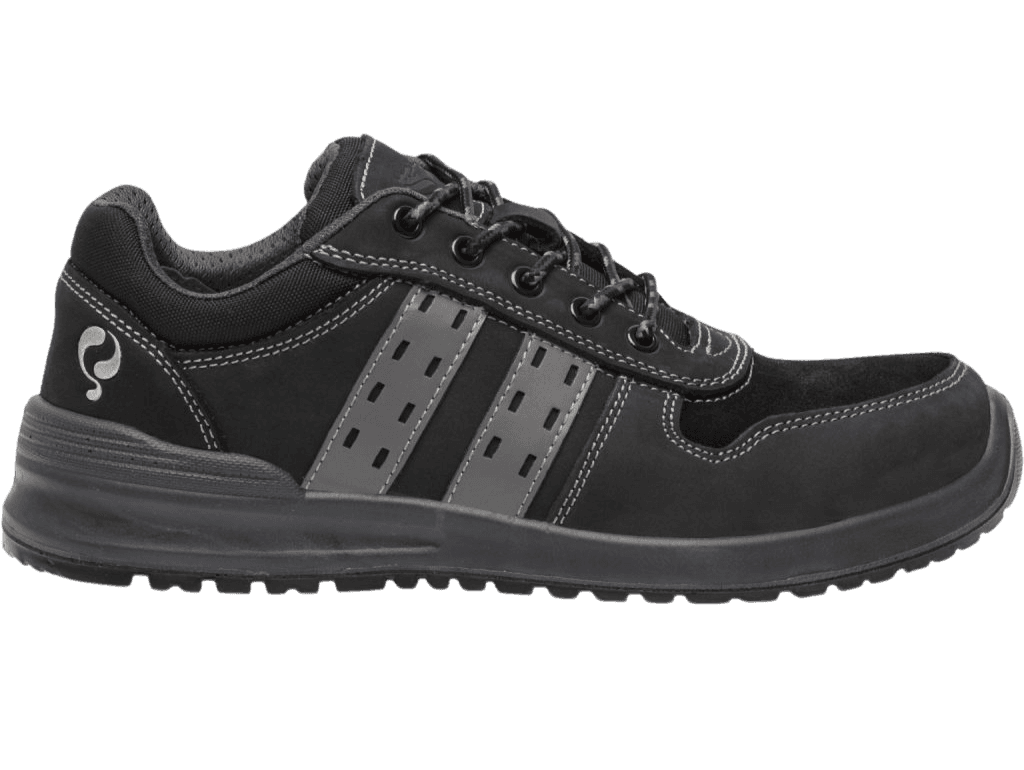
Quick Sport Black Low
Lightweight & flexibleReliable S3 protectionSporty and modern appearance
€ 96,95
€ 80,12 excl. VAT
Which work shoesuits you?
S3
Onze keuze
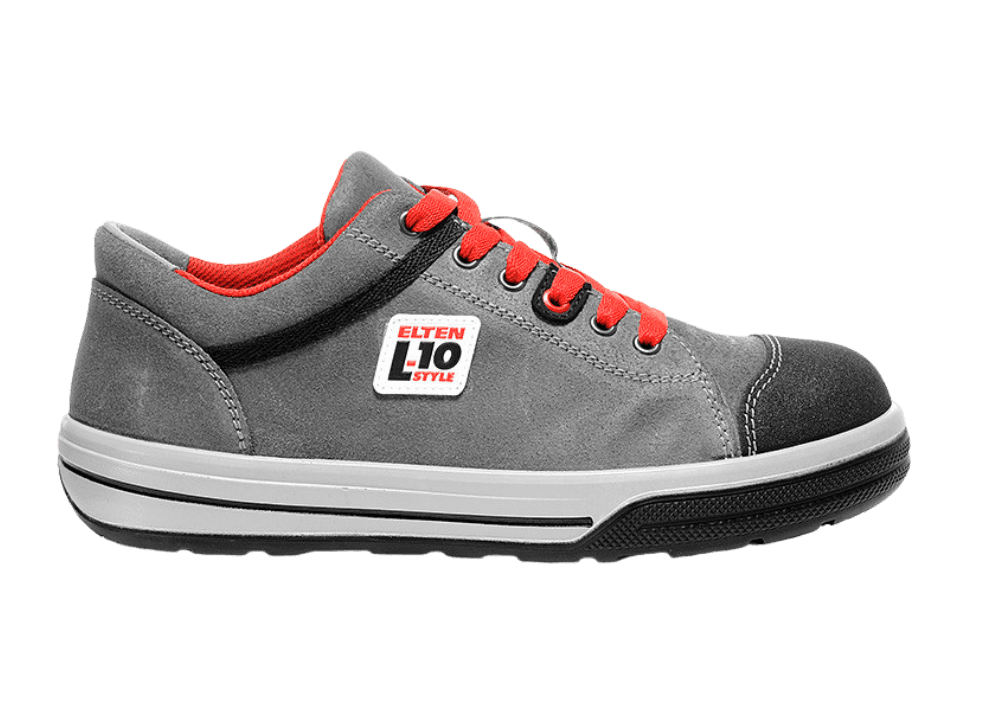
Elten Vintage Pirate Low
Heat-resistant outsoleBreathable textile liningMetal-free midsole for comfort
€ 114,95
€ 95,00 excl. VATS1PS
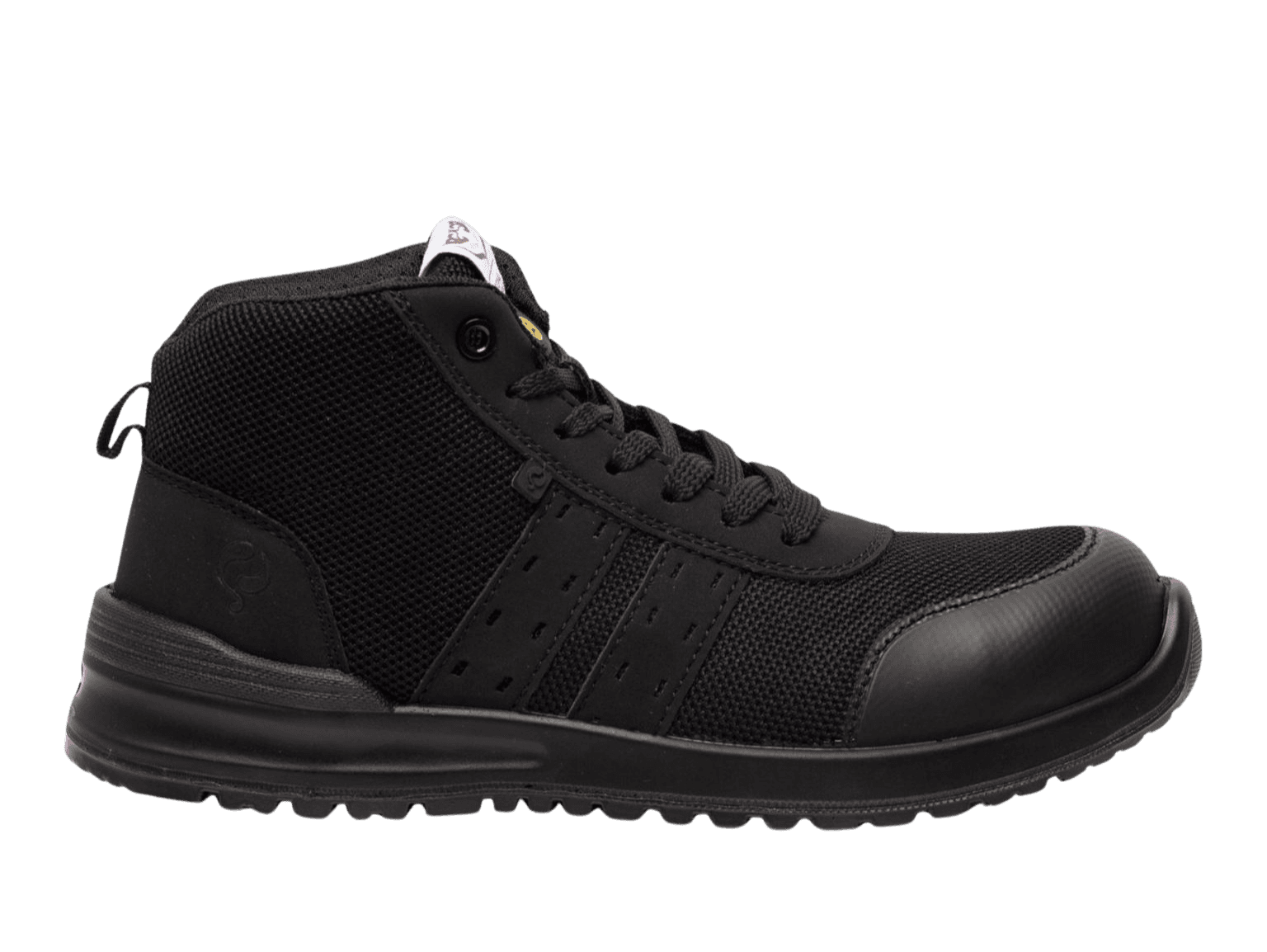
Quick Sprint Dark High
VeganESD + slip-resistant SR soleKevlar anti-perforation & composite toe
€ 86,45
€ 71,45 excl. VATS3
Onze keuze
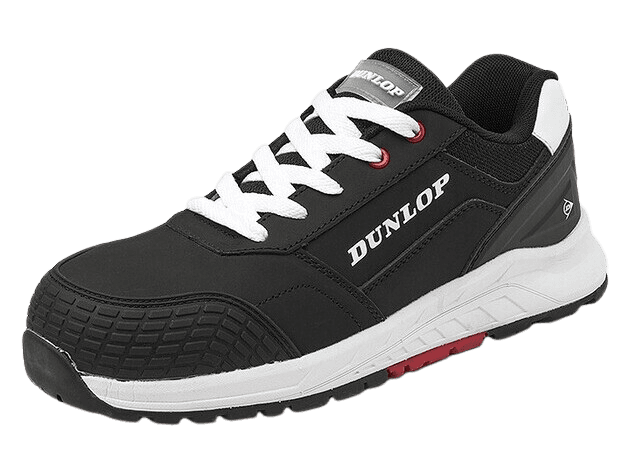
Dunlop Storm
Kevlar insoleSizes up to 50Wear-resistant toe capFiberglass protective toe
€ 104,99
€ 86,77 excl. VAT
S3L
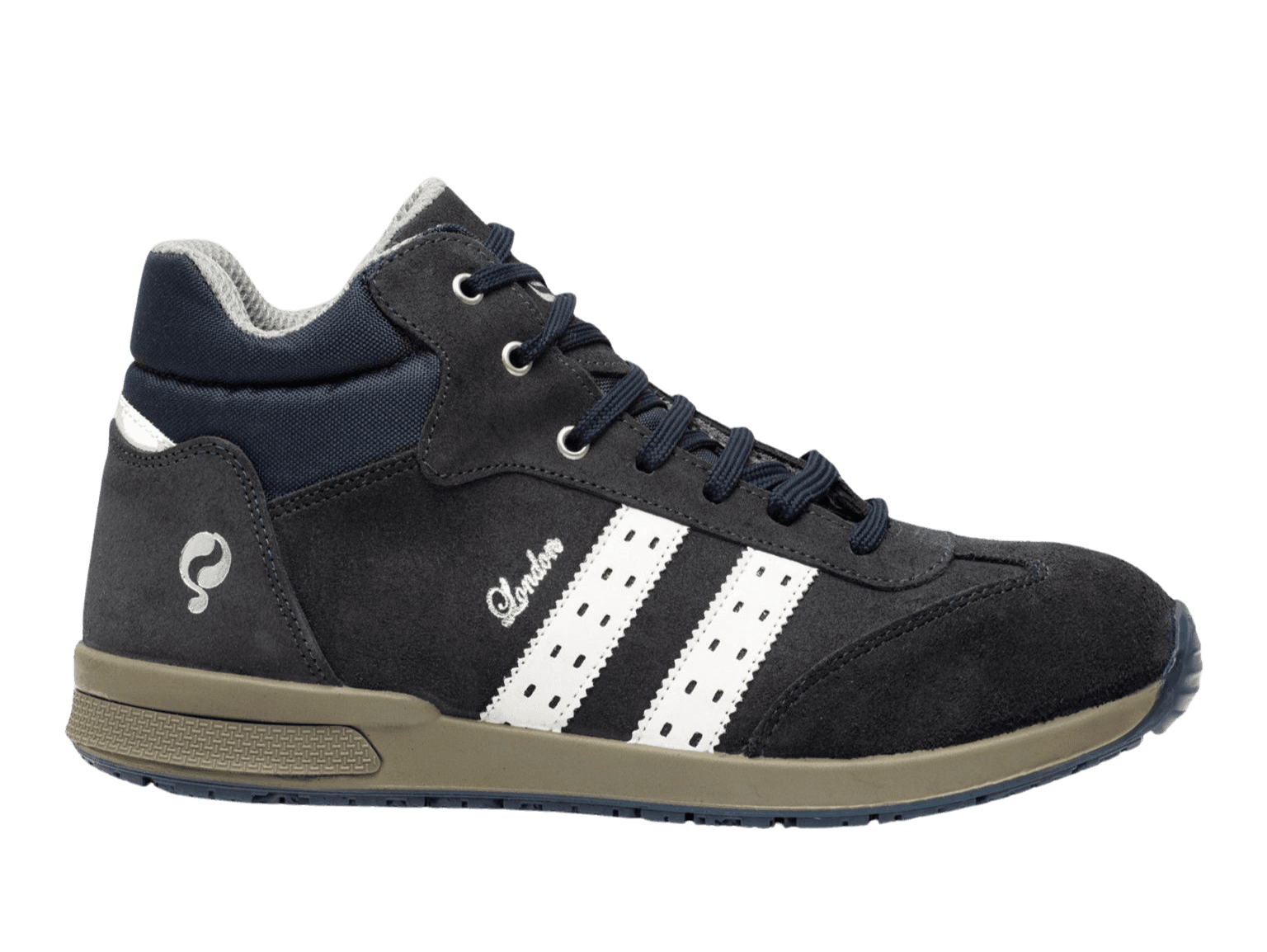
Quick London High
Suede & LeatherExcellent protectionBreathable & Lightweight
€ 107,95
€ 89,21 excl. VATS3L
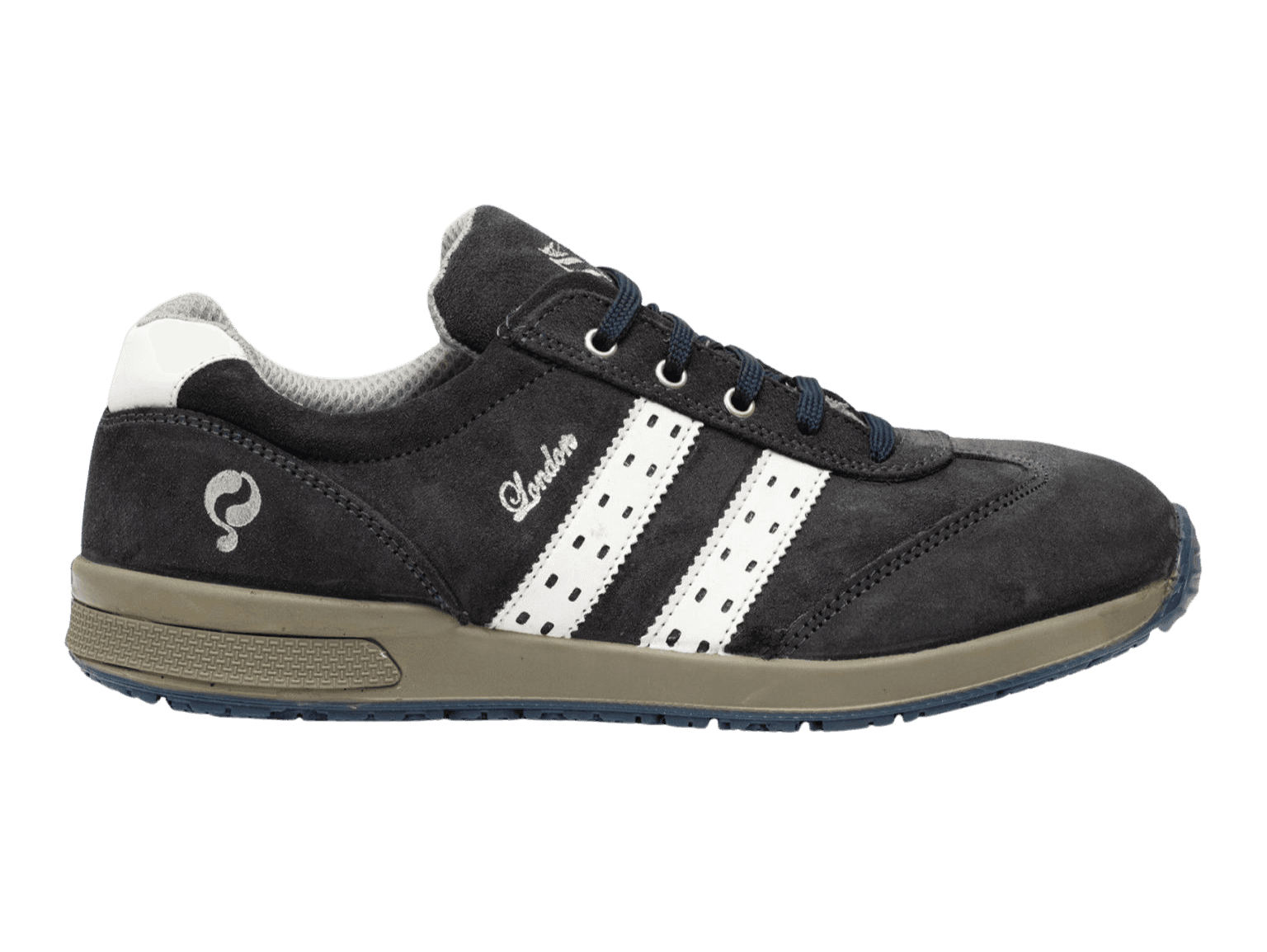
Quick London Low
Suede & LeatherExcellent protectionBreathable & Lightweight
€ 107,95
€ 89,21 excl. VATS3S
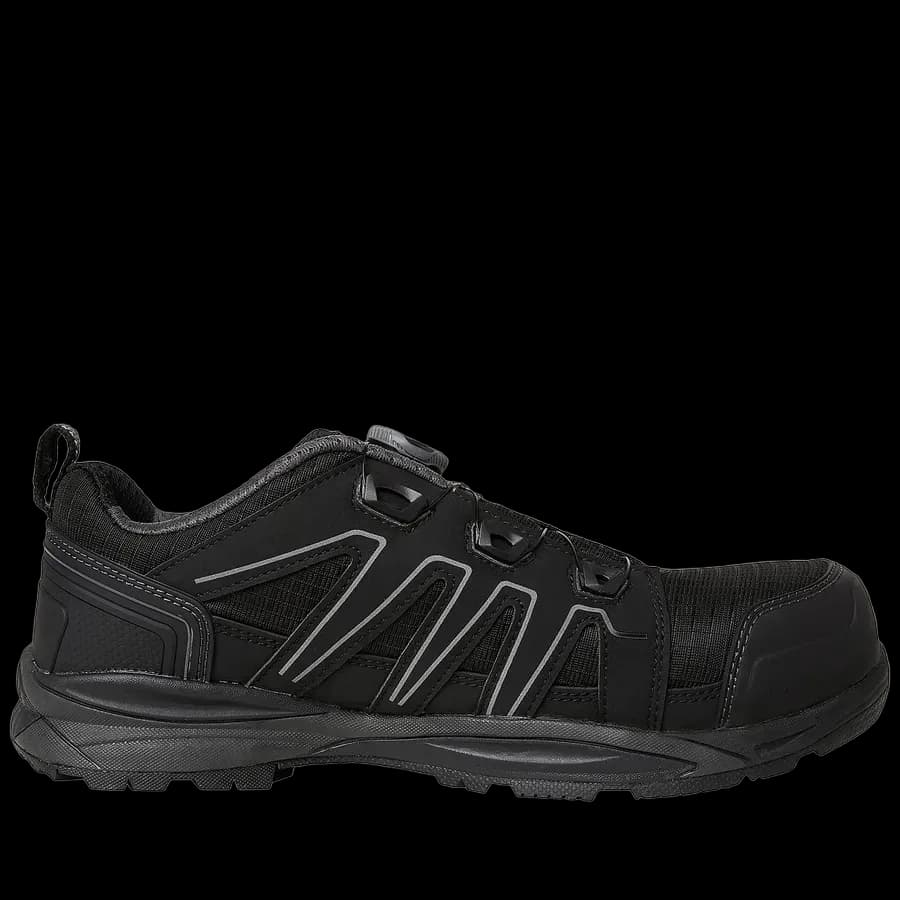
Helly Hansen Manchester Low BOA
BOA closureComposite toe capBreathable liningSRC slip-resistant
€ 139,95
€ 115,66 excl. VATS1P
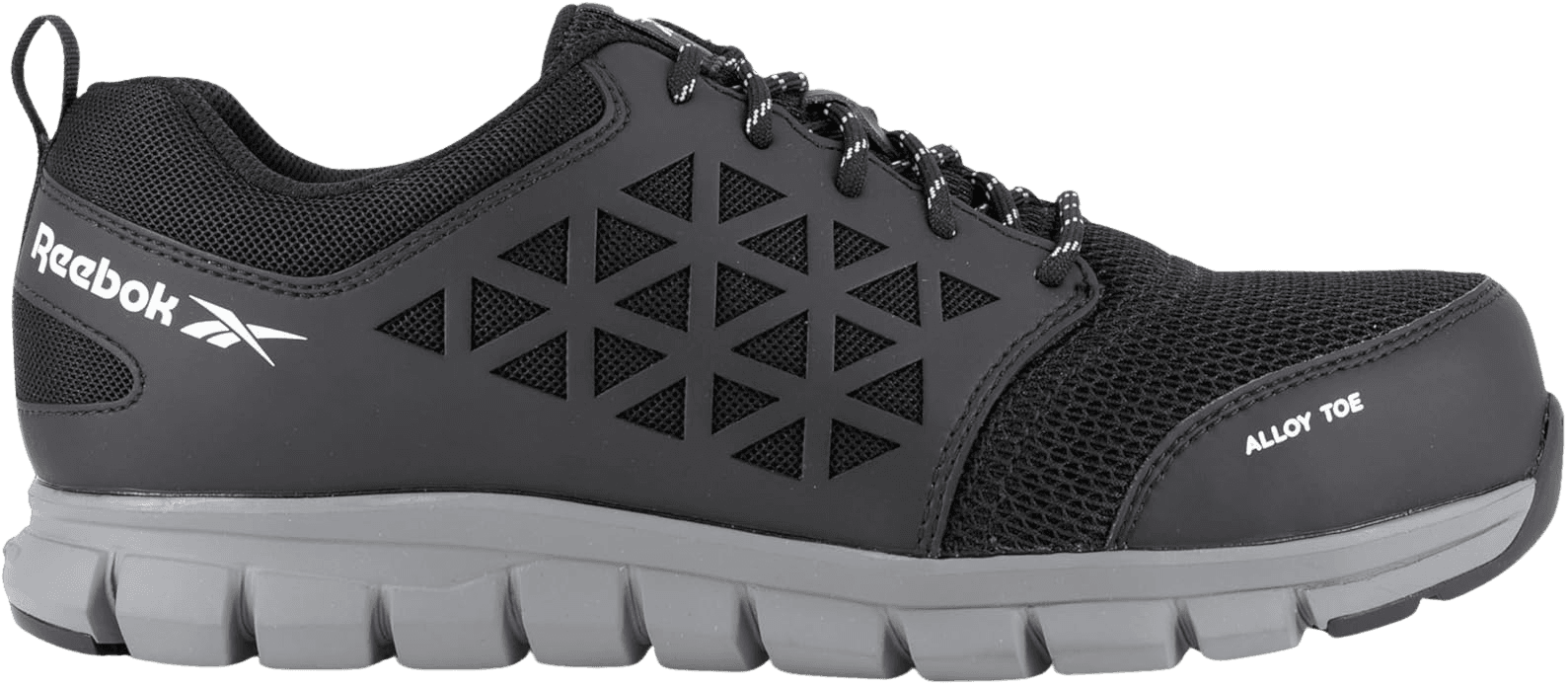
Reebok 1031 Excel Light
well ventilatedLightweight designSporty sneaker look
€ 139,95
€ 115,66 excl. VATS3S
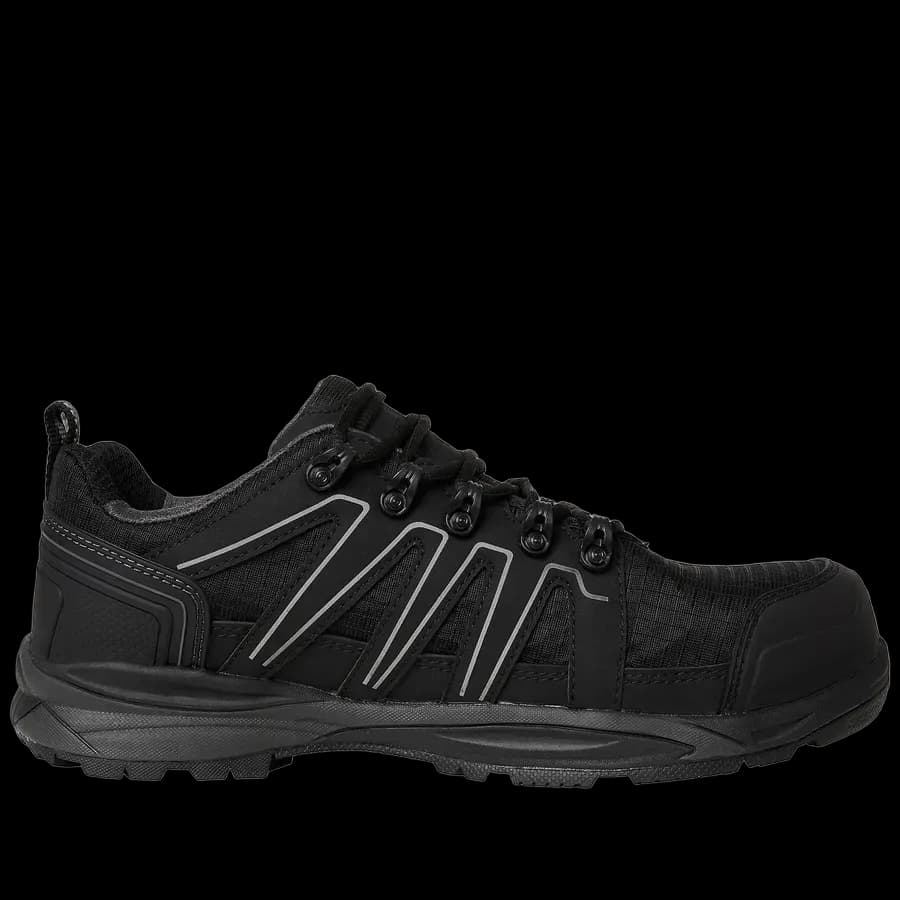
Helly Hansen Manchester Low
Composite toe capBreathable liningSRC slip-resistant
€ 109,95
€ 90,87 excl. VATWhich work shoes for warehouse work?
In the warehouse, you walk a lot, make turning movements, and are at risk of falling goods or contact with pallet trucks. That’s why work shoes for warehouses are often a combination of protection and freedom of movement. The standard you need depends on your risks and whether your floor can get wet or dirty.
S1P or S3: what suits your warehouse?
- S1P: suitable for dry environments; usually with a safety toe and midsole against penetration (e.g., sharp objects on the floor), often more breathable and lighter for extensive walking
- S3: extra protection due to water-repellent properties and often a coarser profile; handy if you also go outside, work in wet areas, or regularly walk through dirt/water
Do you work in a heated, dry warehouse mainly with internal logistics? Then S1P work shoes are often a logical choice. Do you frequently enter loading docks, go outside, or work on varying surfaces? Then it leans more towards S3 safety shoes for the warehouse.
Slip resistance (SRC): why this matters in logistics
Many incidents in work shoes logistics happen due to slipping: wet floors, dust, foil, or spilled liquids. Therefore, pay attention to slip resistance (SRC) or a clearly defined slip-resistant sole. A good slip-resistant sole gives confidence, especially when turning, braking, and quickly moving between shelves.
Comfort for long shifts
Comfort is not a luxury in the warehouse: after \(8\) hours of walking, you feel every extra gram and every hard landing. Therefore, choose work shoes for warehouse employees not only based on standards but also on cushioning, fit, and weight.
- Cushioning: a resilient midsole helps with many steps on concrete and reduces tired feet
- Weight: lighter shoes are more comfortable and can make a difference at the end of your shift; look forlightweight work shoes
- Insoles: a good (replaceable) insole can reduce pressure points; handy if you wear your own soles
- Fit and closure: laces often provide the best adjustment; a quick closure is nice if you frequently switch zones or share shoes with colleagues (less ideal, but practical)
- Ventilation: if you mainly work indoors and dry, a more breathable upper can make all the difference
Are you mainly looking for softer walking and less pressure on the heel and forefoot? Then check outcomfortable work shoes or choose a sportier model likesafety sneakers.
Recommended work shoes for the warehouse
There is not one "best" choice; it’s all about your walking route, floor, and risks. Use this as a quick guideline when choosing work shoes for the warehouse:
- A lot of walking on dry floors: choose a breathable S1P model with good cushioning, check outS1P work shoes
- Many turning movements and slippery areas: choose a model with strong slip resistance (SRC) and a stable heel, possibly in sneaker style viasafety sneakers
- Long shifts on concrete: focus on cushioning and fit, start withcomfortable work shoes
- Speed and agility important: go for less weight, check outlightweight work shoes
- Also outside, wet loading docks, or varying surfaces: look at S3 options within the complete overview ofwork shoes
Tip: if you are between two sizes or wear thick work socks, choose your usual size and check if the model fits "normal" or "narrow/wide" to avoid pressure points while walking.
Use the filters to select your standard, size, and desired features. Browse the models on this page and choose the work shoes that fit your warehouse work.
Frequently asked questions about Warehouse Employees
That depends on your RI&E and the rules at your workplace. In many dry, internal warehouses, S1P is often sufficient, but in wet areas, outdoor work, or additional risks, S3 (or higher) may be required.
Focus on cushioning, lightweight, good fit, and a nice insole. Comfort usually comes from the combination of a resilient midsole, enough space at the toes, and a stable heel.
Both protect against impact and compression hazards. Steel is often a bit heavier; composite is usually lighter and often feels less cold. For a lot of walking, warehouse workers often choose composite, but the best choice depends on your preference and the model.