Skip to content
Free shipping in the Netherlands9.2 out of 65 reviewsOrdered before 1 PM, shipped today
Login

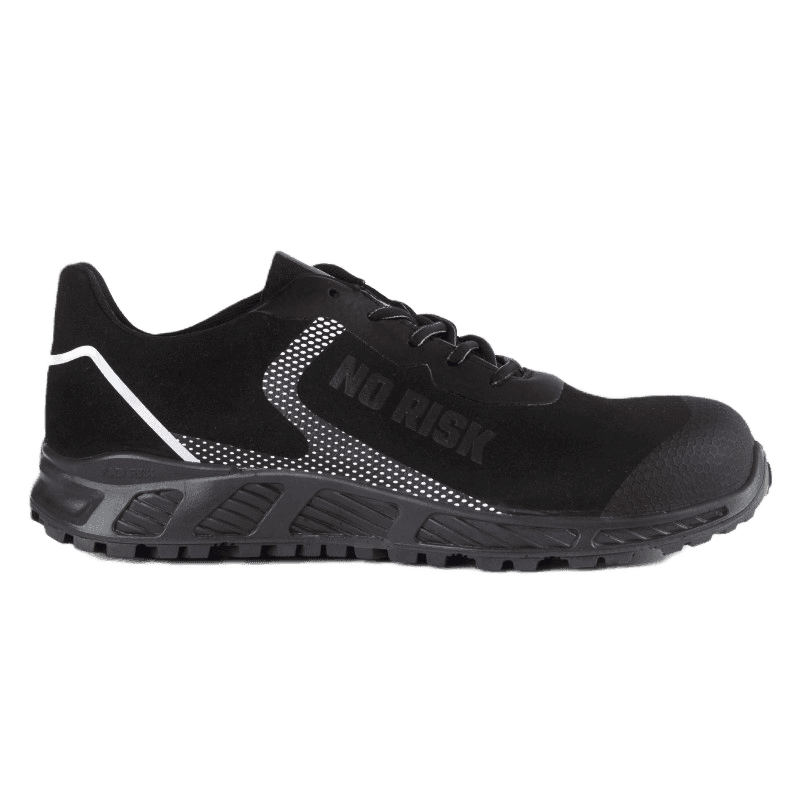
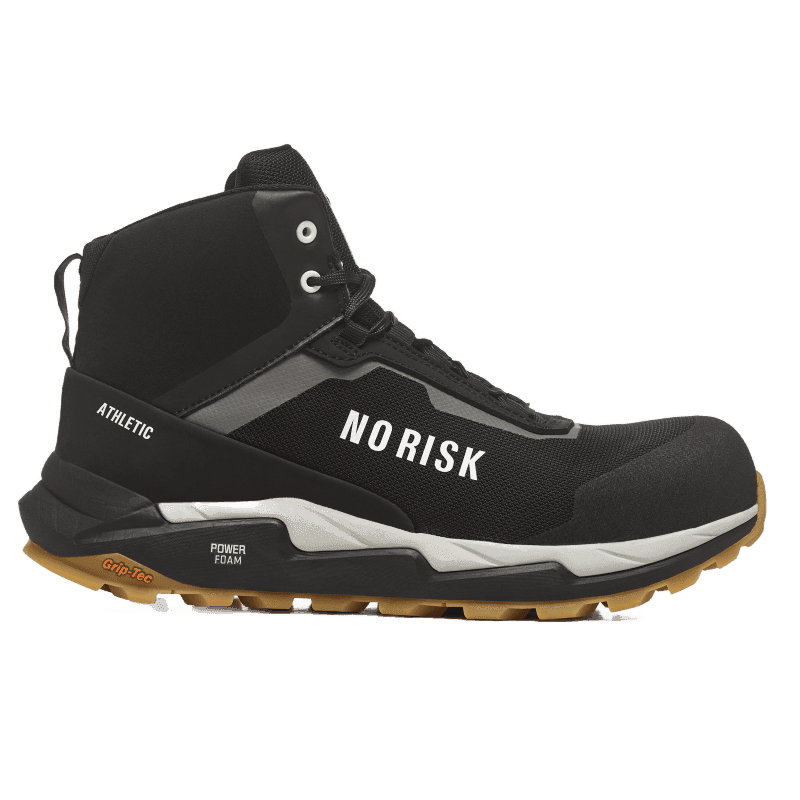
No Risk work shoes

Are you looking for No Risk work shoes for construction, logistics, industry, or outdoor work? Here you will find No Risk safety shoes that offer comfort for long workdays, sturdy protection, and models suitable for wet or intensive working conditions.
Use the filters above the product list to quickly select by size, standard, model, and features such as S3, high or low model, and extra grip, so you can find the No Risk shoes that fit your workday faster.
20 results
Popular filters

About No Risk work shoes

No Risk is a European safety shoe brand that originated in Portugal in 1996, focusing on safety, durability, comfort, and a strong appearance. The shoes are made in Portugal using European materials, with attention to quality, wearing comfort, and a look that can be both rugged and polished during your workday.
No Risk safety shoes are developed for various types of work and are widely used where protection and comfort need to come together. Many models meet European safety standards, and within the range, you will often find No Risk work shoes in the S3 class, making them suitable for demanding work environments.
If you want to compare more broadly besides this brand, also check out our work shoes or discover comfortable alternatives within Sixton work shoes.

No Risk technologies and features

Those who choose No Risk shoes are usually looking for a combination of protection, comfort, and durability for long workdays. It’s this mix that makes this brand popular among people who walk a lot, stand, or work on varying surfaces.

Clima Cork System: cork for extra comfort

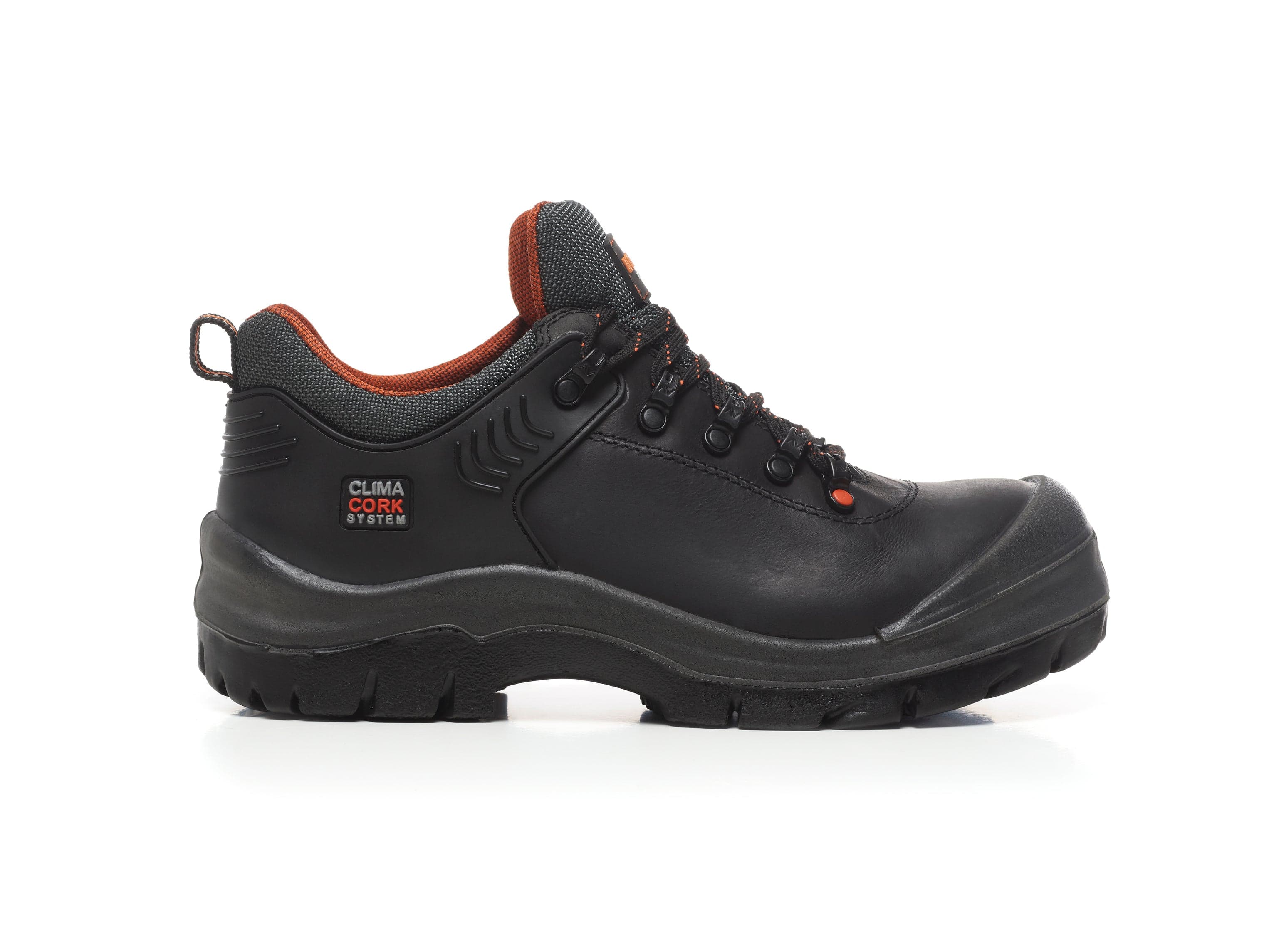
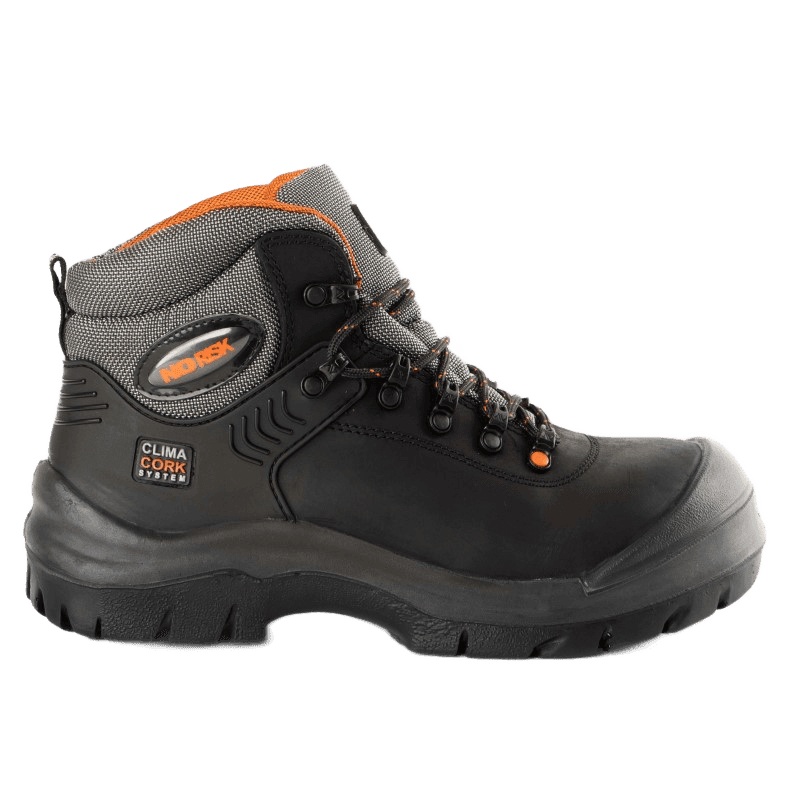
The No Risk Clima Cork System is a cork layer between the outsole and insole that helps to better regulate heat and cold inside the shoe. This makes the shoe feel more comfortable in different temperatures and provides extra cushioning while walking.
The cork partially molds to your foot over time, which can create a more natural feel and a more even pressure distribution. According to No Risk, this system also helps reduce fatigue during long workdays.

Grip, protection, and durability

Depending on the model, you can expect a safety toe, a penetration-resistant midsole, and an outsole with grip on various surfaces from No Risk work shoes. This is especially nice if you work on rough floors, outdoor locations, or areas where sharp objects may be on the ground.
S3 models also include a profile sole and a water-repellent upper, making them better suited for wet or muddy conditions than lighter classes intended for dry indoor work.

Breathable and comfortable for long workdays

Many No Risk safety shoes are designed for wearing comfort throughout the entire workday, partly due to the cork system and models with removable insoles. This way, you can air out or replace the insole more easily if you want extra support.
If you often work long hours on your feet, then that combination of cushioning, climate regulation, and fit is an important difference in daily use.

No Risk work shoes by classification

Many No Risk work shoes fall into the S3 class. In simple terms, S3 usually means: a safety toe, a puncture-resistant sole or midsole, a profile sole with grip, and a water-repellent upper for heavier or wetter conditions.
That’s why No Risk S3 models are popular for construction, outdoor work, and other environments where your feet endure more. If you’re specifically looking within this class, also check out our S3 work shoes.
  • If you mainly work outside on wet, muddy, or varying surfaces, then S3 is usually the most logical choice.
  • If you mainly stand inside in a warehouse or logistics environment where it’s usually dry, then S1P can be interesting, as this class has a safety toe and puncture protection but is not intended as a water-repellent class like S3.
  • If you’re looking for extra protection against moisture or often work in rainy conditions, compare not only No Risk but also our waterproof work shoes.

No Risk work shoes for various professions

No Risk safety shoes are suitable for a wide range of work fields, but the right choice mainly depends on your surface, pace, and work environment. Therefore, pay attention not only to the brand but also to classification, model height, and practical features.

Construction and carpentry

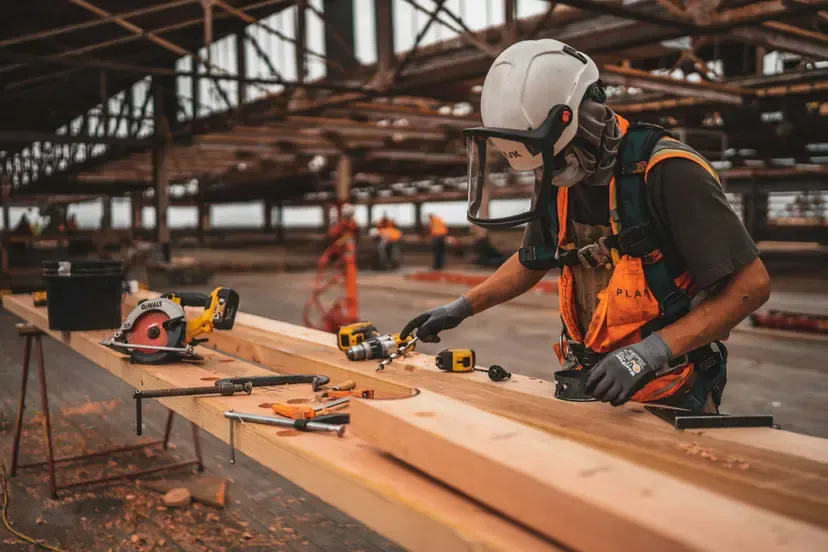
If you work in construction, carpentry, or woodworking, extra grip, a sturdy toe, and protection against sharp objects are often important. A high model can be comfortable if you want more ankle support on rough terrain or during outdoor work.

Logistics and warehouse

In logistics, warehouses, and transport, it often involves a lot of walking, turning, and standing for long periods. In this case, wearing comfort, cushioning, a pleasant fit, and sufficient grip on slippery floors are often decisive.

Industry, workshop, and agricultural work

For industry, workshops, and agricultural or other outdoor work, it’s wise to pay extra attention to durability, water-repellent properties, and a sole that fits varying surfaces. If you prefer a lighter feel on your feet, also check if a low model or a metal-free version better suits your workday.
If you’re looking for a specific fit, you can also look specifically within our women's work shoes and men's work shoes.

Size and fit advice for No Risk work shoes

Measure your feet preferably at the end of the day, as they are often slightly more swollen than in the morning. Wear the work socks you normally use during work, so you get a more realistic picture of the fit.
When trying on, pay attention to sufficient space at the toes and check if the shoe pinches anywhere on your instep, heel, or sides. Models can differ in width, material, and feel, so always read the product description and any reviews carefully.
If you’re undecided between two No Risk work shoes, especially compare wearing comfort, model height, classification, and sole construction before ordering.

How to choose the right No Risk safety shoes?

With a few targeted steps, you can quickly choose the model that really fits your work.
  • Step 1: Look at your work environment, such as indoors or outdoors, dry or wet, a lot of walking or a lot of standing.
  • Step 2: Choose the right classification; S3 is usually suitable for heavier or wetter conditions, while S1P is more often suited for dry indoor environments with risks of sharp objects on the floor.
  • Step 3: Determine whether you want a high or low model; high often provides more support around the ankle, while low can offer more freedom of movement.
  • Step 4: Pay attention to extra wishes such as metal-free, extra grip, water-repellent material, or a fit that works better for your feet and workdays.
Use the filters above the product list to quickly select by size, classification, and features, so that only No Risk shoes remain that fit your workday. Then compare your favorite models on comfort, protection, and execution, and order the pair that best suits your work.

Frequently asked questions about No Risk

No Risk is a brand from Portugal, and it was established there in 1996. Production takes place in Portugal, and No Risk states that it works with European materials. This aligns with the brand's positioning around quality, comfort, and European craftsmanship.

The Clima Cork System is a cork layer between the outsole and insole that helps regulate the temperature inside the shoe better. In practice, you notice this mainly through extra cushioning, a more pleasant indoor climate, and a footbed that can gradually adapt more naturally to your foot. No Risk also states that this construction can contribute to less tired feet due to a more even pressure distribution.

Many No Risk safety shoes fall into the S3 category. S3 is particularly suitable for heavier conditions, as this class typically combines a safety toe, penetration-resistant midsole, profile outsole, and water-repellent upper. Therefore, S3 is often a logical choice for construction, outdoor work, and other places where wet or rough surfaces are present.

No Risk places a strong emphasis on comfort, fit, and durability for daily use. The brand combines this with the Clima Cork System, which is developed for temperature regulation, extra comfort, and more natural foot support. Many models also feature a removable insole, which is handy if you want to air them out or use your own insole.

After a wet workday, let your No Risk shoes dry at room temperature and regularly clean dirt from the sole and upper. For leather models, it's helpful to keep the material clean and well-maintained with a suitable care product, so it stays supple longer. If the shoes are exposed to moisture or used intensively, occasionally remove the insole to allow better ventilation, especially if you're working long days.