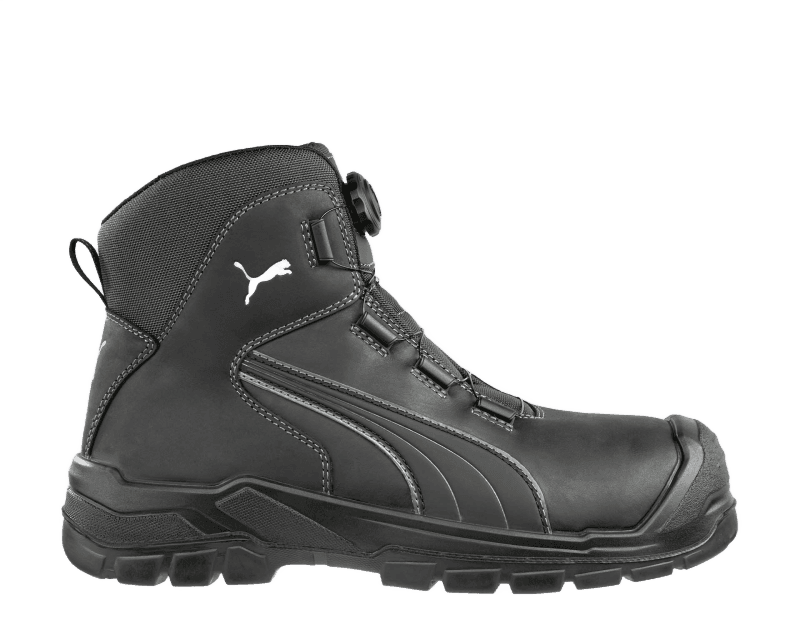
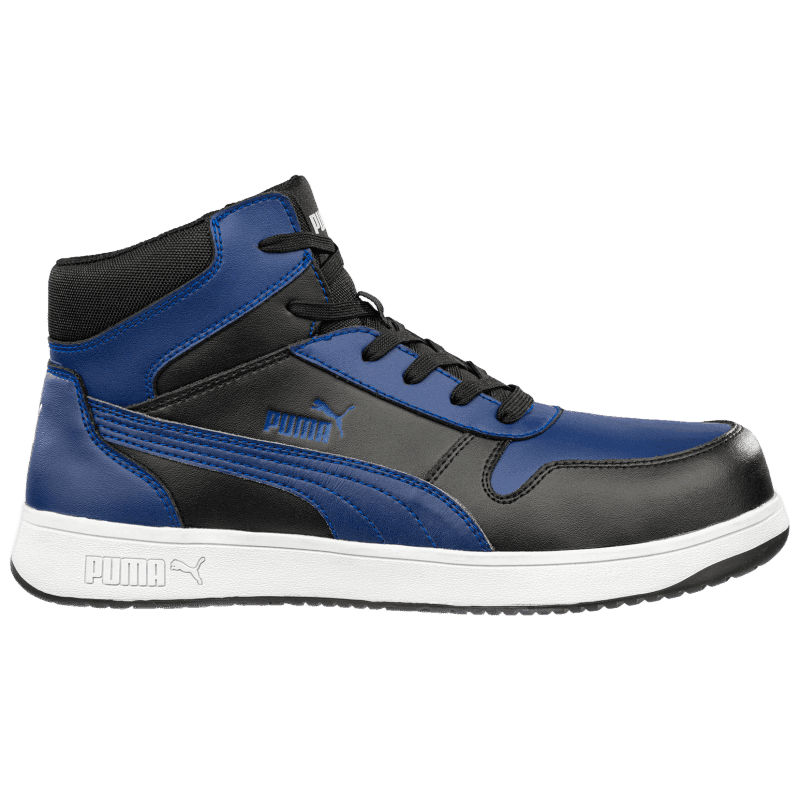
About Puma work shoes
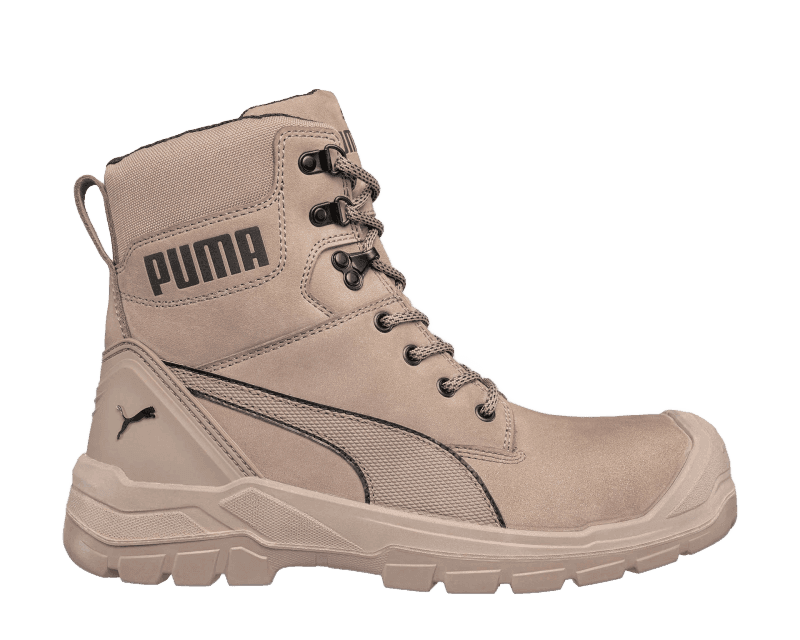
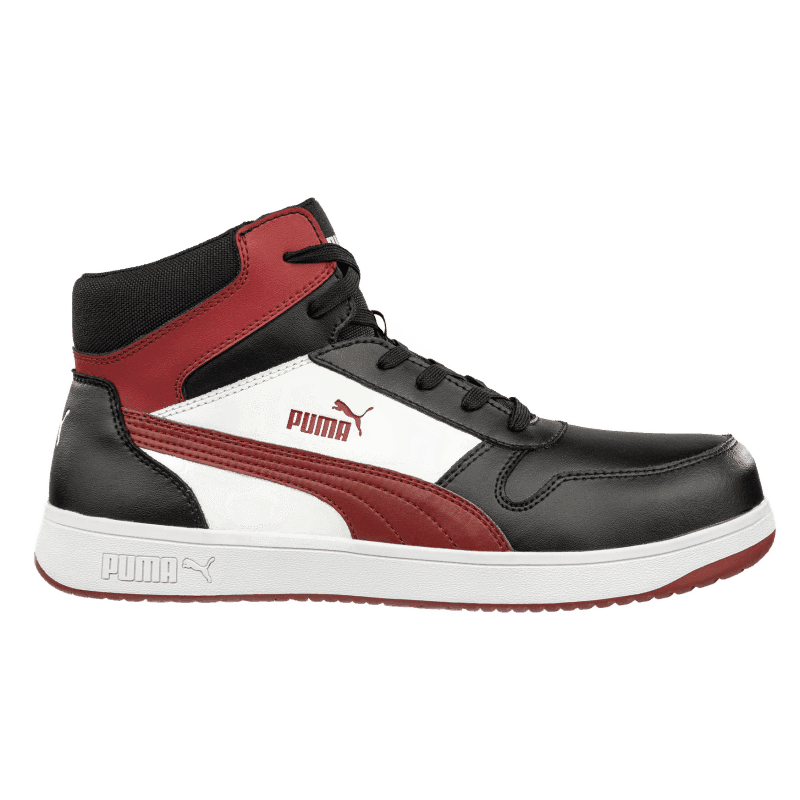
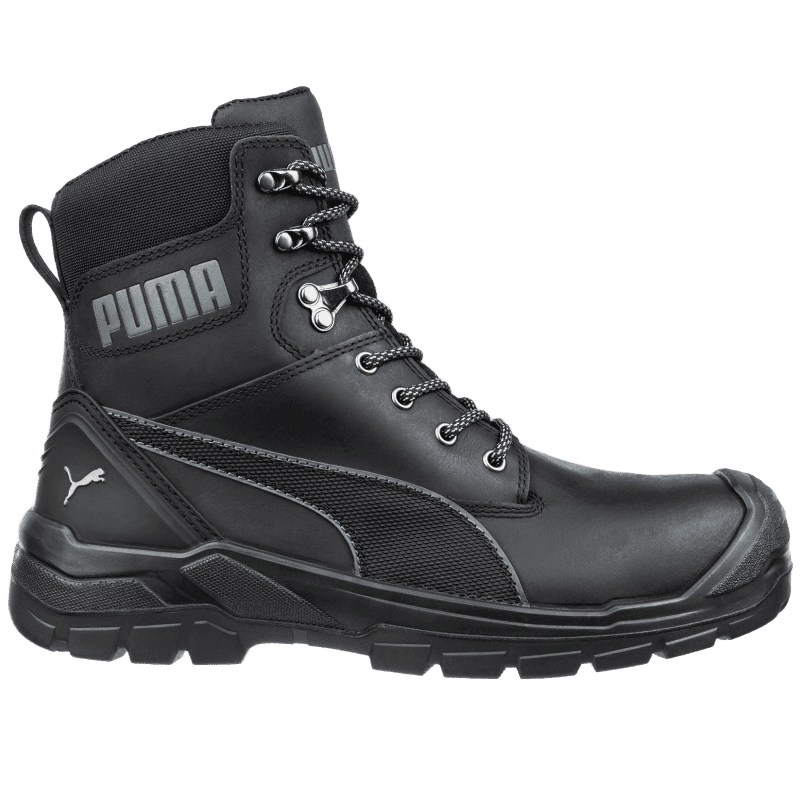
Puma Safety is known for safety shoes with a sporty look. While traditional work shoes can sometimes feel heavy and clunky, many professionals choose Puma work shoes because they resemble sneakers more, yet still provide the protection you need on the job.
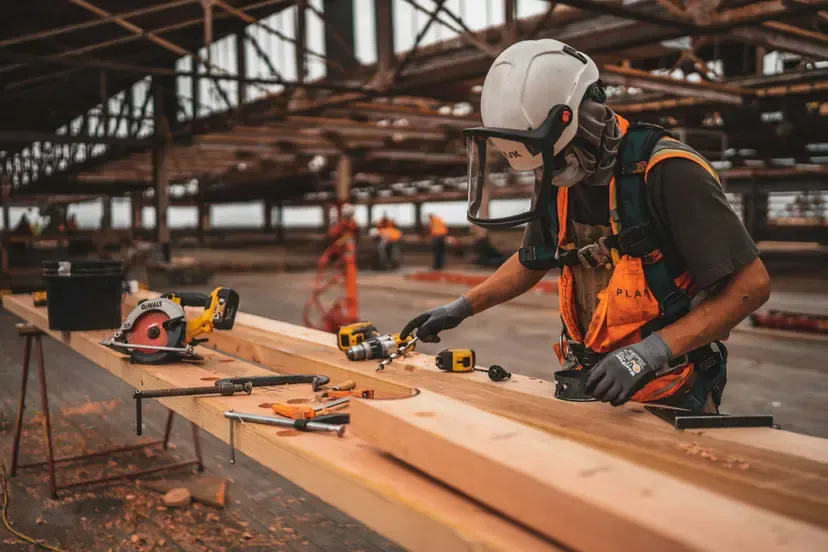
This makes the brand popular in construction, logistics, warehouses, transport, and light industry. Especially if you walk a lot, frequently turn and twist, or simply don't want to wear classic, stiff work shoes, Puma safety shoes are a logical choice.
Many models combine a modern fit with practical safety details such as a protective toe cap, anti-perforation sole, and slip-resistant outsole. If you're specifically looking for sporty work shoes sneakers, you'll often find that Puma offers a strong combination of comfort, style, and protection. Sporty, sneaker-like look for work and on the go.
Comfortable for long workdays with a lot of walking or standing.
Suitable for professional use in indoor and outdoor environments, depending on the standards.
Available in various designs for different professions and preferences.
Puma technologies and features
Comfort and cushioning
An important advantage of Puma work shoes is the walking comfort. Many models are designed with extra cushioning in the sole and shock absorption in the heel. You especially notice this when you spend long days on concrete floors, walk through warehouse aisles, or stand a lot in one place.
The sporty construction of Puma safety shoes often allows for a smoother roll of the foot than heavier, traditionally built work shoes. As a result, they feel less tiring for many wearers at the end of the workday.
Grip and outsole
Good grip is essential when working on slippery floors, metal surfaces, or outdoor areas where dirt and moisture are present. That's why Puma Safety uses soles designed for stability, slip resistance, and a secure walking feel.
Depending on the model, you can expect features such as a profile sole with good dirt drainage, oil-resistant outsole, and extra stability in the heel. If you often work outdoors or on wet surfaces, it's wise to also look for S3 work shoes with more protection against moisture and rougher conditions. Breathable, lightweight materials
Many Puma safety shoes are made with lightweight materials and breathable uppers. This helps keep your feet fresher during warm workdays or jobs where you move a lot. At the same time, the shoes remain sturdy enough for daily professional use.
In some models, you'll see a combination of textile, microfiber, or durable synthetic materials. This often keeps the shoes lighter than classic leather work boots, without compromising on protection or support.
Protection in practice
The exact protection you get varies by model. Many Puma work shoes feature a steel or composite safety toe and an anti-perforation sole that helps protect against sharp objects from below. Additionally, ESD properties, heat-resistant sole parts, and extra reinforcement in wear-sensitive areas are common.
Composite is interesting if you want a lighter feel, while steel is known for being robust and reliable. In both cases, it's primarily important to choose based on your work environment and the required standards.
Puma work shoes by standard
The right standard determines whether a shoe fits your work activities. Puma work shoes come in various safety classes, with S1P and S3 being the most sought-after versions. Below, you'll read in plain language when to choose which standard.
Puma S1P
Puma S1P work shoes are usually intended for dry indoor environments. Think of warehouses, logistics centers, assembly, workshops, and production areas where you need protection but don't work constantly in water, mud, or wet grass.
An S1P model typically has a safety toe, closed heel, anti-static properties, energy absorption in the heel, and an anti-perforation sole. This makes Puma S1P a popular choice if you walk a lot on flat floors and are looking for a light, sporty safety shoe.
Puma S3
Puma S3 work shoes are more suitable for heavier conditions, especially when you also work outdoors or deal with moisture, uneven terrain, and sharp materials on the ground. Think of construction sites, installation work, outdoor areas, and rougher industrial environments.
In addition to the basic protection of lower classes, S3 usually also offers a water-repellent or waterproof upper and an anti-perforation sole. If you're looking for a model for changing weather conditions or wet work floors, Puma S3 is often the safer choice.
When is ESD important?
ESD stands for the controlled discharge of electrostatic charge. This is relevant if you work with electronics, assembly, sensitive equipment, or components that can be damaged by static discharge.
If you work in an environment where ESD is required or desired, always check whether the specific Puma Safety model has this feature. Not every safety shoe with a sporty look is automatically suitable for ESD workplaces.
Puma work shoes for women and men
Puma work shoes are available for different foot types and usage situations. There are models specifically tailored for women's feet, as well as unisex and wider men's models. This allows you to choose based on fit rather than just appearance.
Puma women's work shoes often have a slightly slimmer fit and sometimes a different color scheme or subtler design. This can be nice if standard work shoes feel too bulky or too wide. If you're looking for more options outside this brand page, also check out our women's work shoes. Puma men's work shoes are often available in a wider range of sizes and robust designs for various tasks. Again, the fit can vary by model. If you want to compare more broadly, you'll find even more models and styles on our men's work shoes page. Whether you choose women's, men's, or unisex: Puma safety shoes stand out mainly due to the combination of sneaker style and serious safety features. This makes them attractive for professionals who want a modern look without compromising on protection.
How to choose the right Puma safety shoes?
The best choice depends on where you work, how much you walk, and what protection is required. Therefore, don't just look at the model or appearance, but especially at the standards and the conditions in which you'll be wearing the shoes.
Pay attention to the standards: usually choose Puma S1P for dry indoor environments and Puma S3 for outdoor work, wet conditions, or locations with a higher risk of wet feet and sharp objects.
Check if ESD is necessary: if you work with electronics or sensitive equipment, then an ESD version is often important.
Consider your workday: if you walk a lot, lightweight models with good cushioning are often more comfortable than heavier versions.
Choose low or high: low models often feel sportier and freer; higher models can provide extra ankle support and stability.
Determine if you need water-repellent properties: for outdoor work and changeable weather, this is often a smart choice.
Pay attention to the surface: on slippery floors, loading docks, or outdoor areas, grip is extra important.
Use the filters on this page to quickly select your size, safety class, model, and features. This makes the selection clearer and shows you immediately which Puma work shoes fit your job. If you want to compare more broadly, also check out all work shoes or choose another sporty brand like Reebok safety shoes. Size advice for Puma work shoes
A good size prevents pressure points, tired feet, and unnecessary wear. Therefore, measure your feet preferably at the end of the day, as they tend to be slightly more swollen then. This usually gives a more realistic picture of the size you need during work.
Always try on Puma safety shoes with the work socks you normally wear. A shoe that seems to fit well with thin socks may become too tight with thicker socks. Pay attention not only to the length but also to the space at the toes, the height of the instep, and the width of your foot.
Make sure your toes have enough room to move without your heel coming loose while walking. Some Puma work shoes fit a bit slimmer, while other models feel a bit roomier. Therefore, it's wise to read the description and any reviews carefully for each model before ordering.
If you're in doubt between two sizes, look at the fit of the specific model and your foot type. If you have wider feet, a slim sneaker model is not always the best choice, even if it looks attractive.