
Low work shoes for men
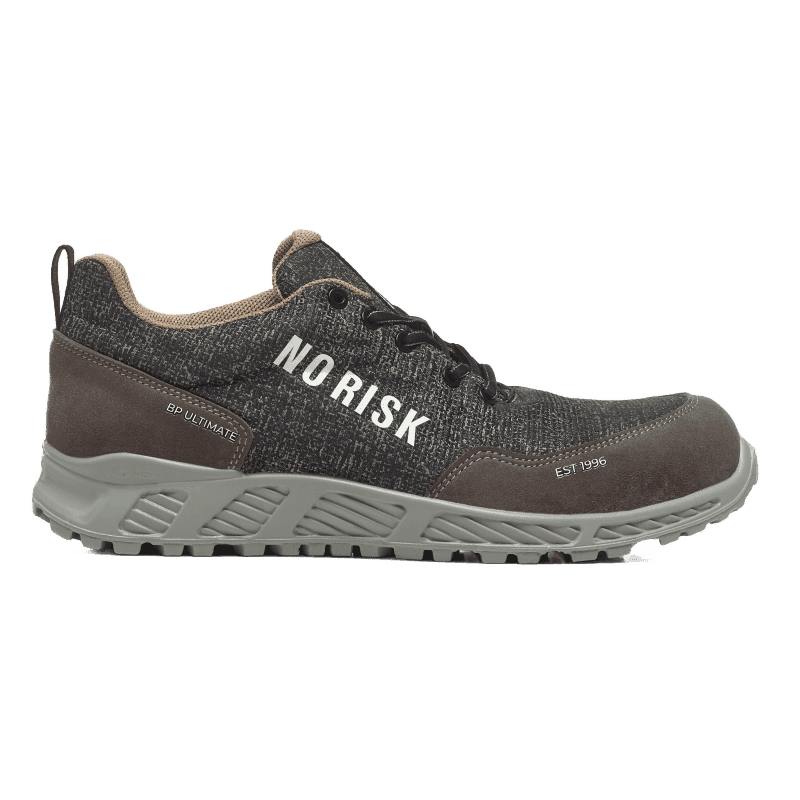
No Risk Black Panther Ultimate
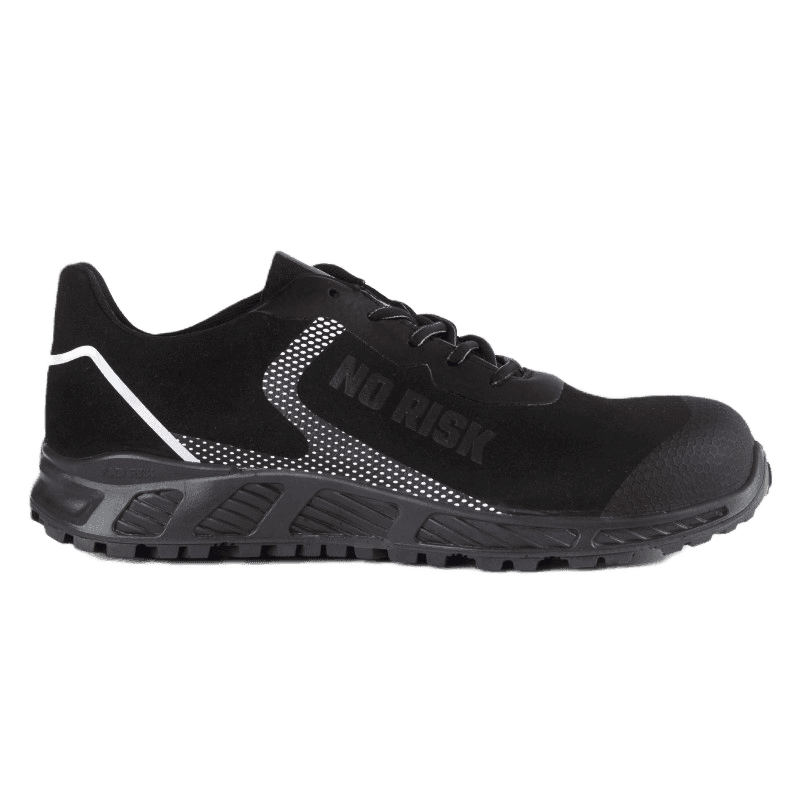
No Risk Black Panther

Which work shoesuits you?
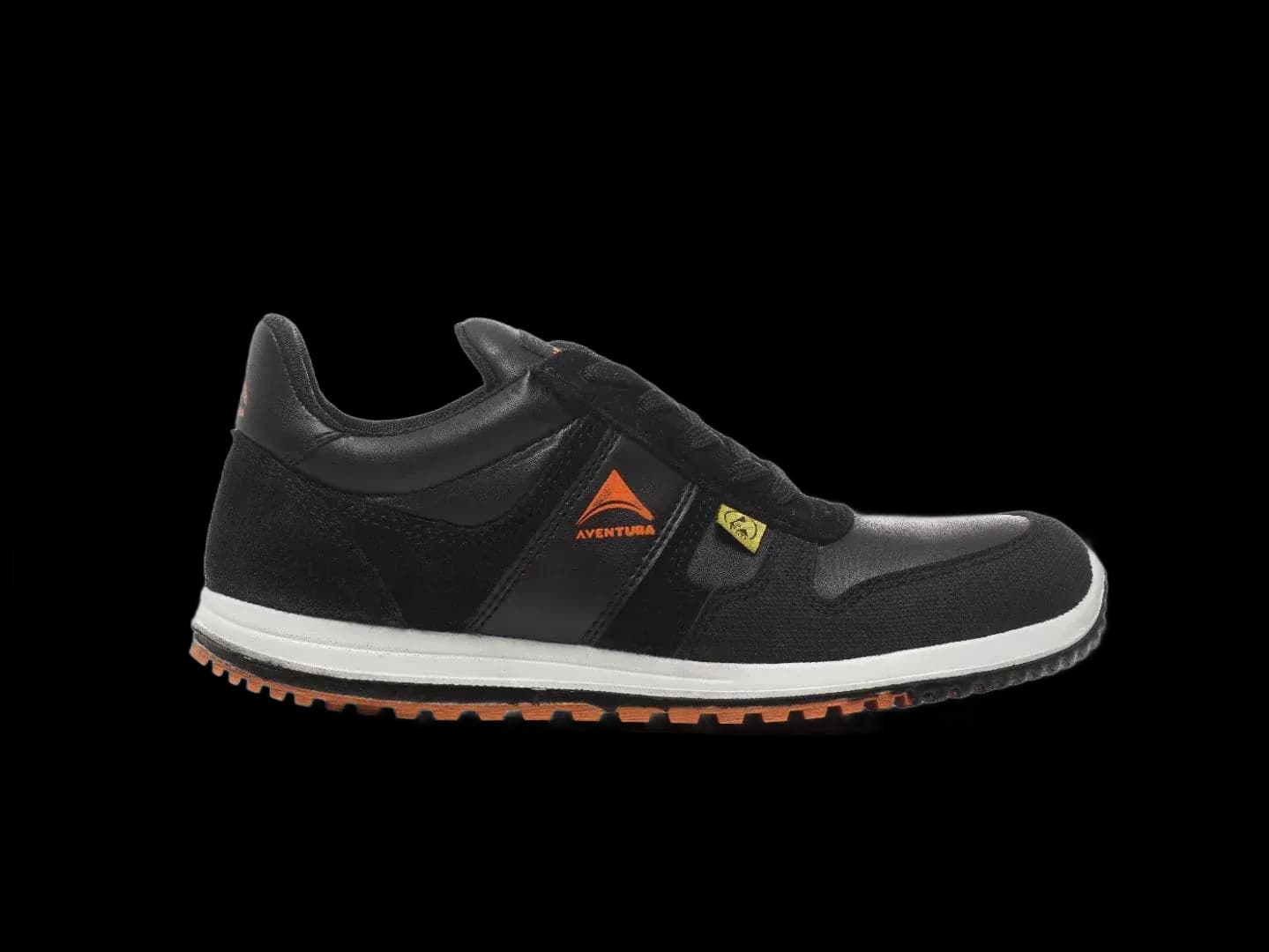
No Risk Rider Low
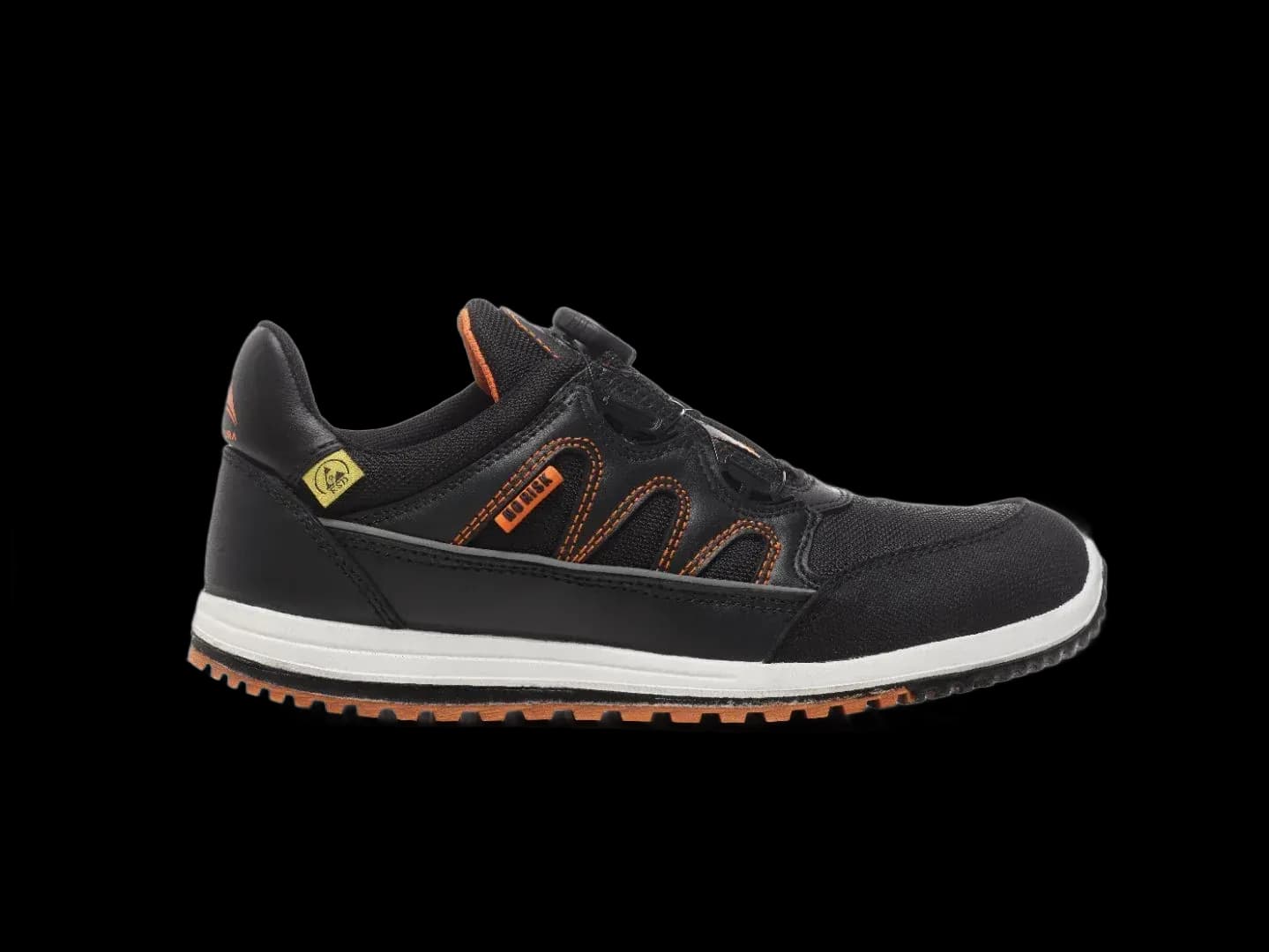
No Risk Sprinter Low ATOP
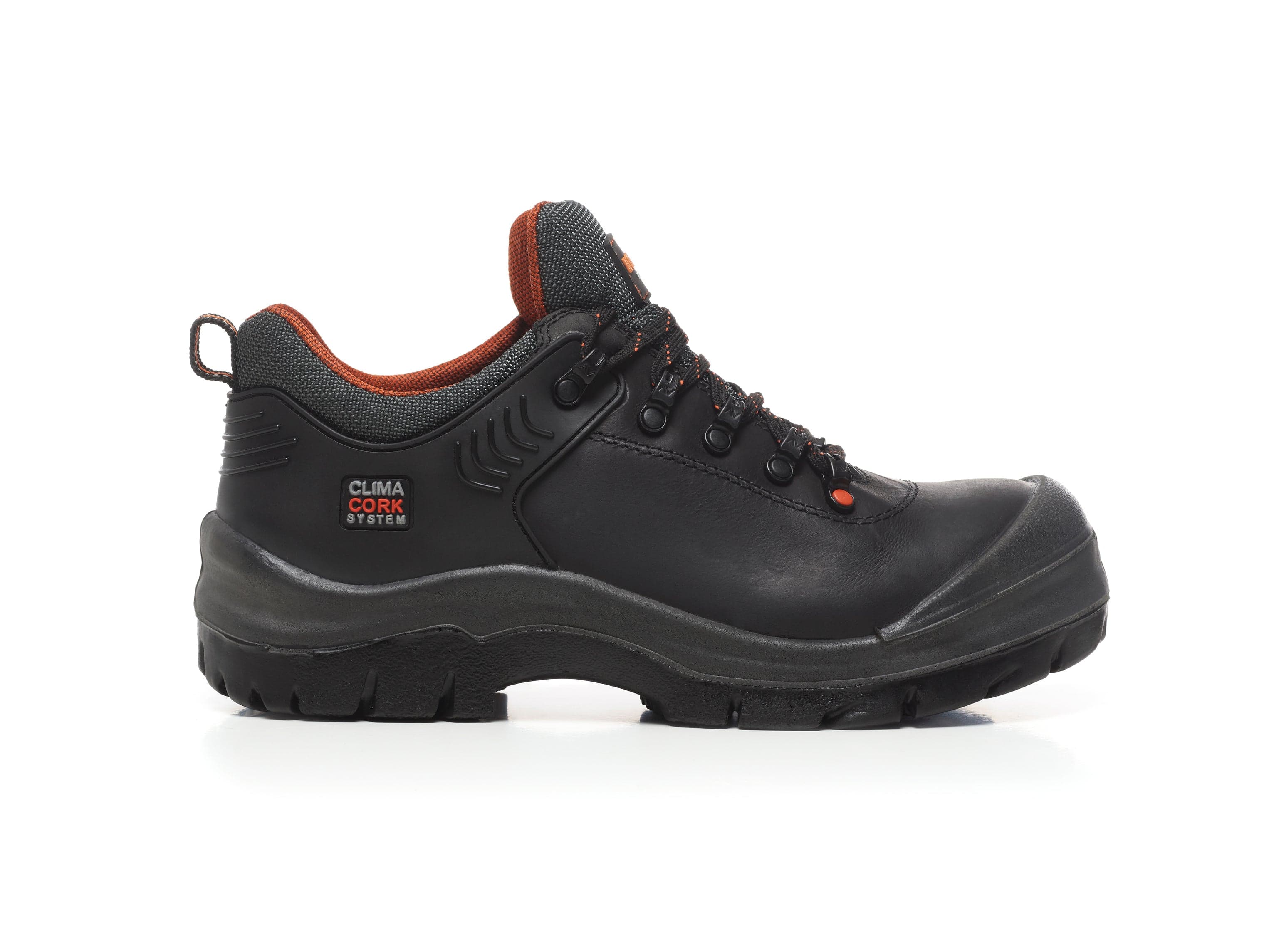
No Risk Greystone Low
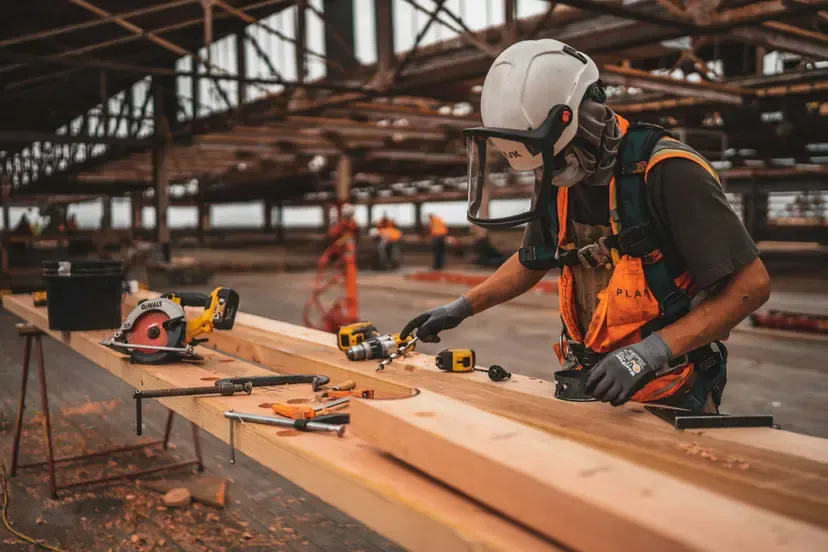
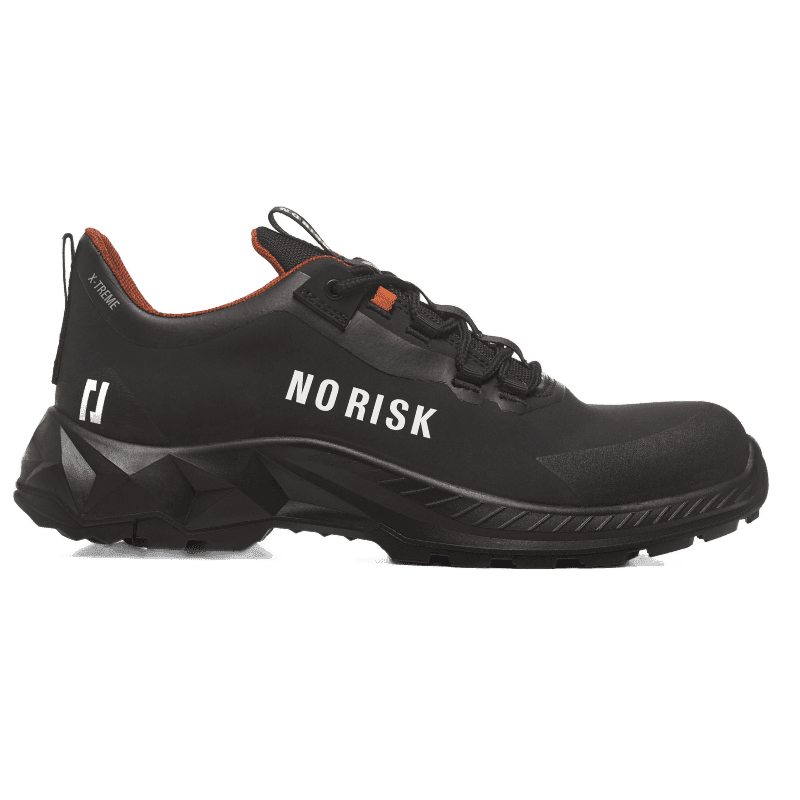
No Risk X-treme Low Black
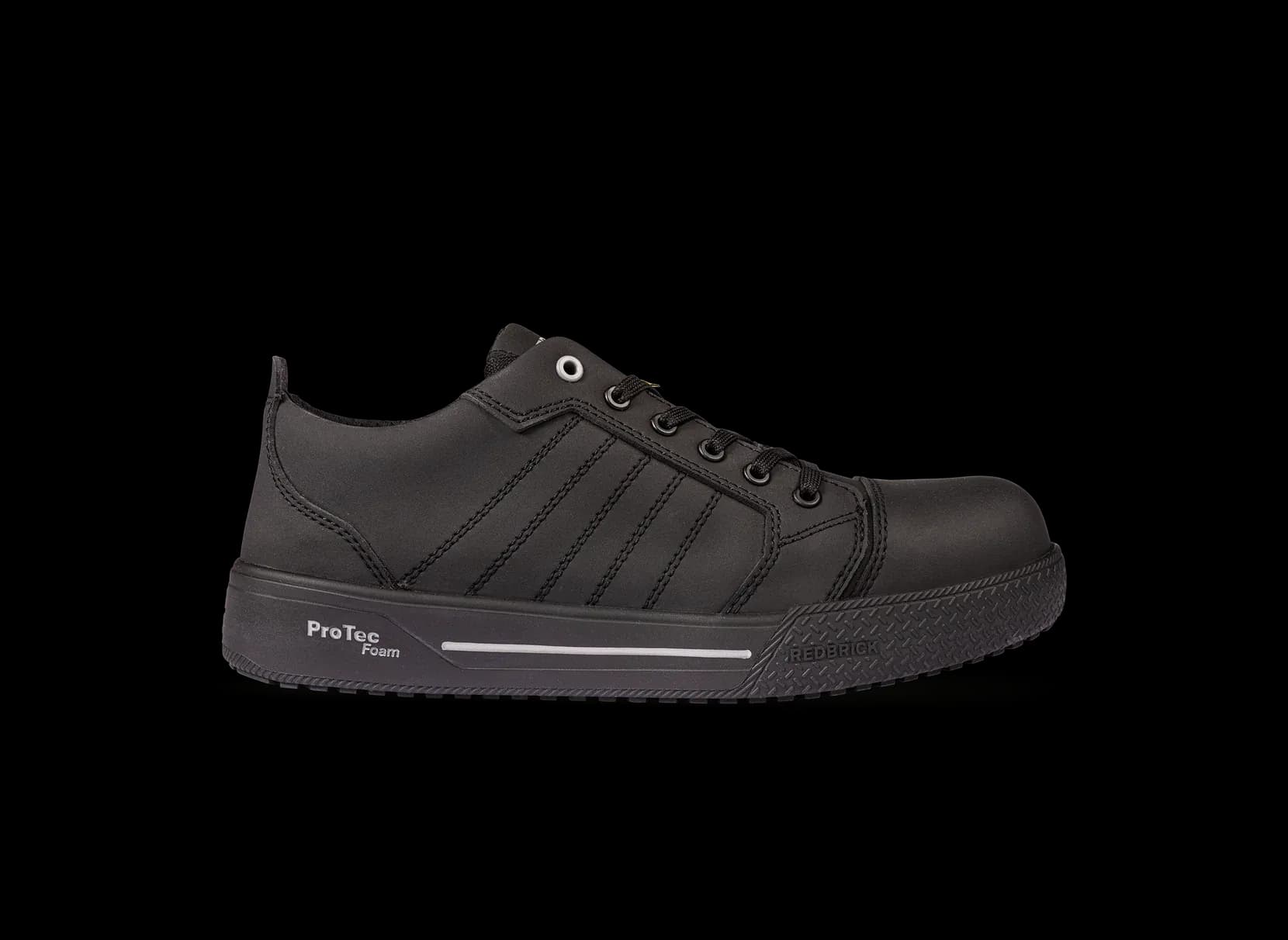
Redbrick Beater Low
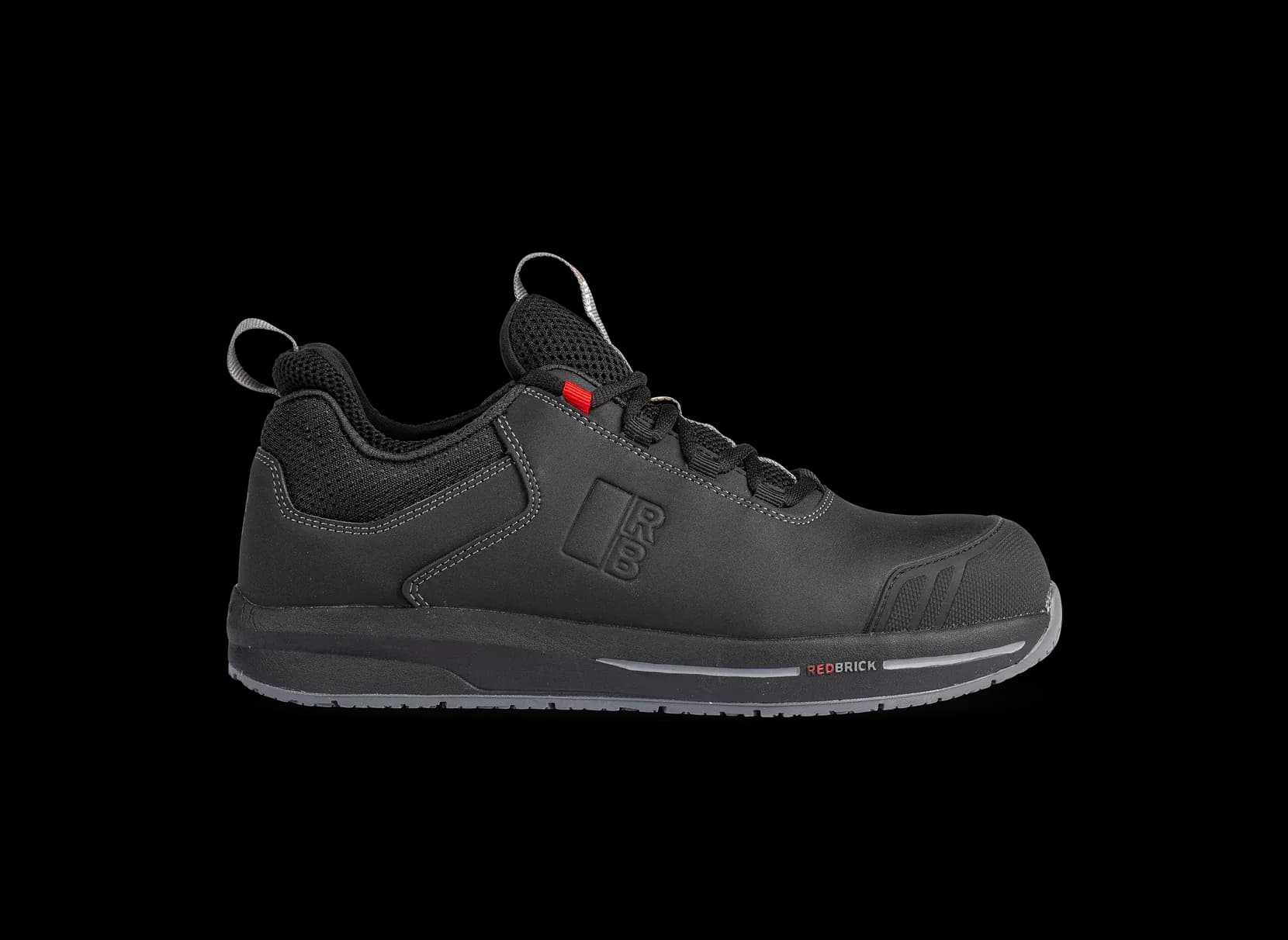
Redbrick Motion Shade
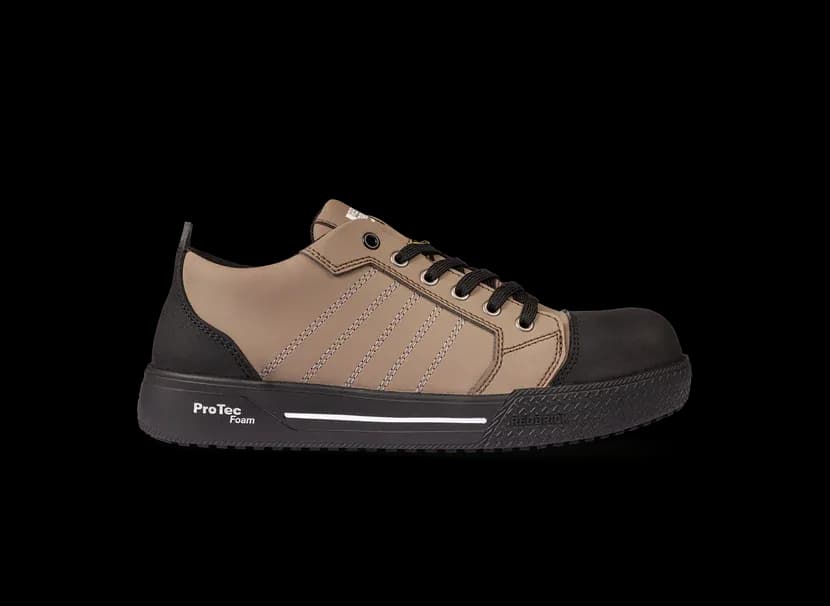
Redbrick Jump Low
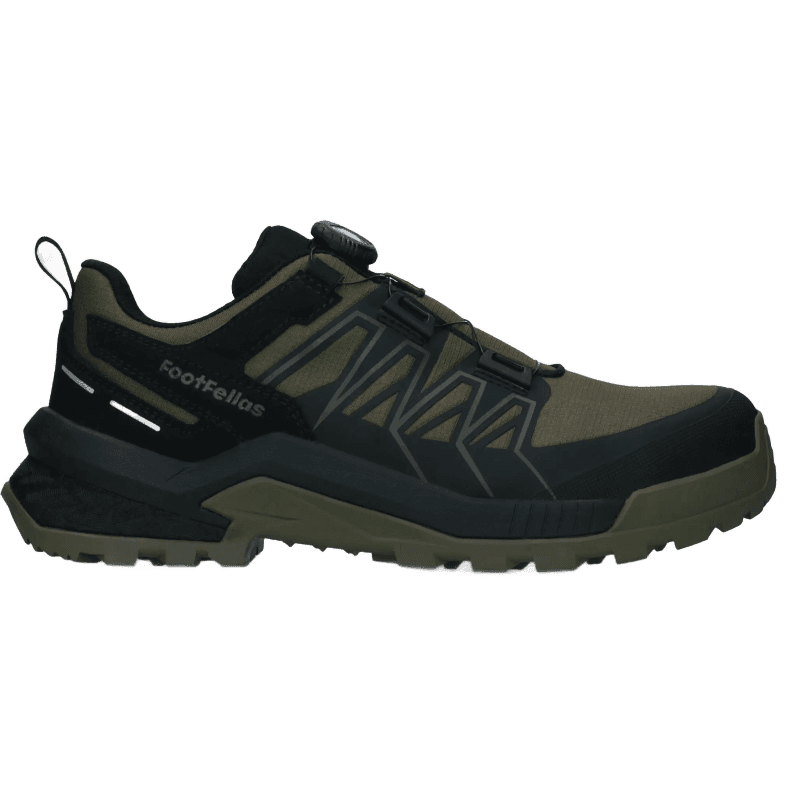
FootFellas Max
Low work shoes: the perfect balance between safety and comfort
Which low safety shoes suit your work?
The differences between S1P and S3 standards
Comfort and durability for intensive use
Frequently asked questions about Low work shoes for men
Low work shoes provide sufficient support for most professions. The advantage is that your ankle can move freely, which strengthens the muscles in your foot and ankle. However, if you have very weak ankles or work on extremely uneven terrain (like loose rubble), a high model can sometimes offer more stability against rolling.
On average, work shoes last about one year with daily use. Replace them immediately if the sole is severely worn (loss of grip), when the lining is damaged, or if the safety toe becomes visible through the material. After a heavy impact (for example, a falling object), the shoe should always be replaced, as the internal structure may be damaged.
Yes, as long as you choose the S3 classification. Low S3 work shoes are water-repellent and keep your feet dry in wet grass or light rain. For work in deep mud or extreme weather, high shoes or boots are often recommended to prevent water from entering through the top of the shoe.