
Low work shoes
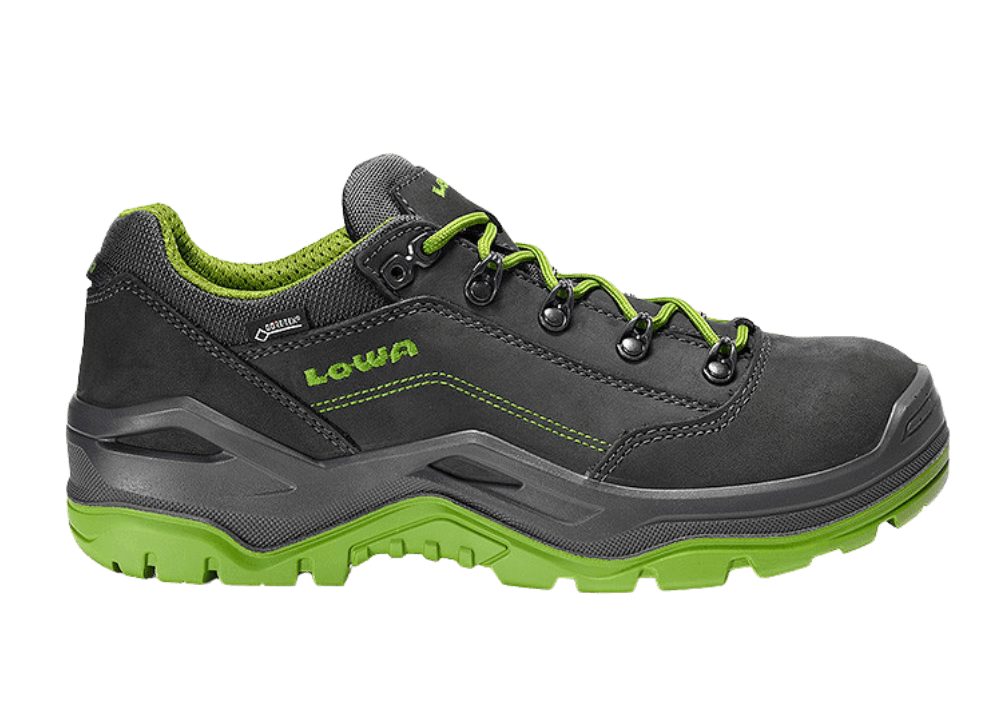
Lowa Renegade work gtx green Low
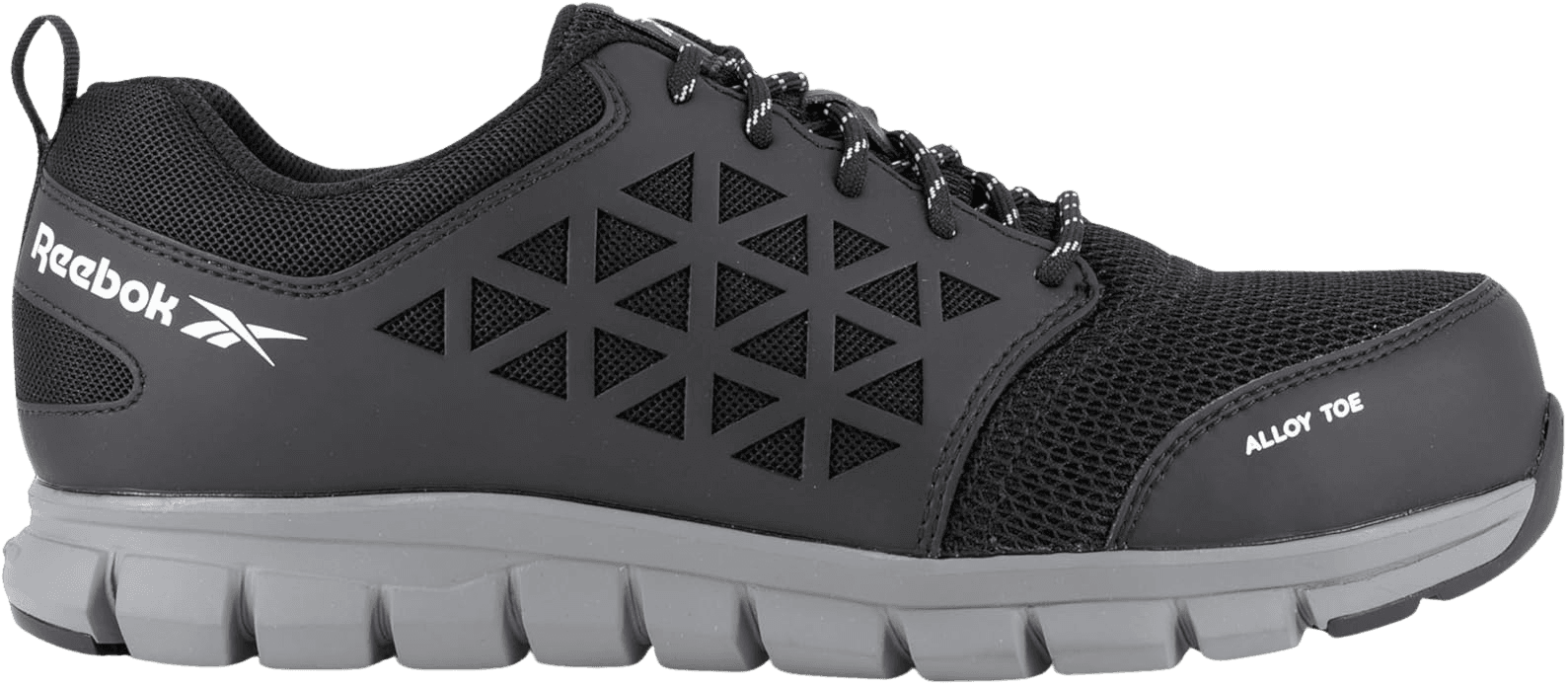
Reebok 1031 Excel Light

Which work shoesuits you?
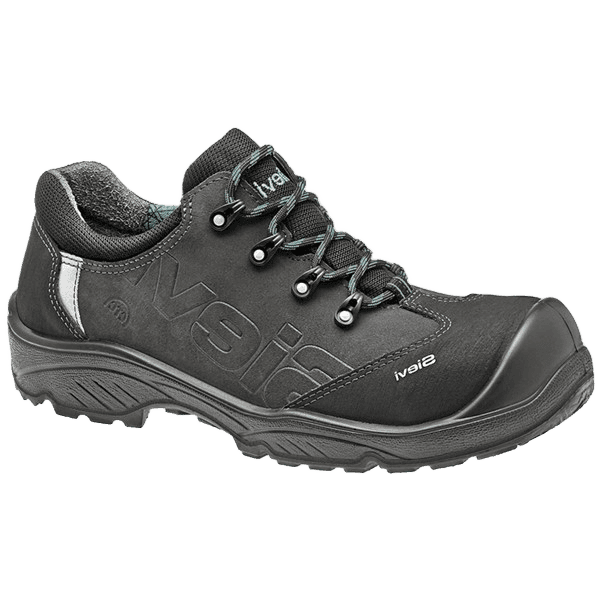
Sievi Elixir XL+
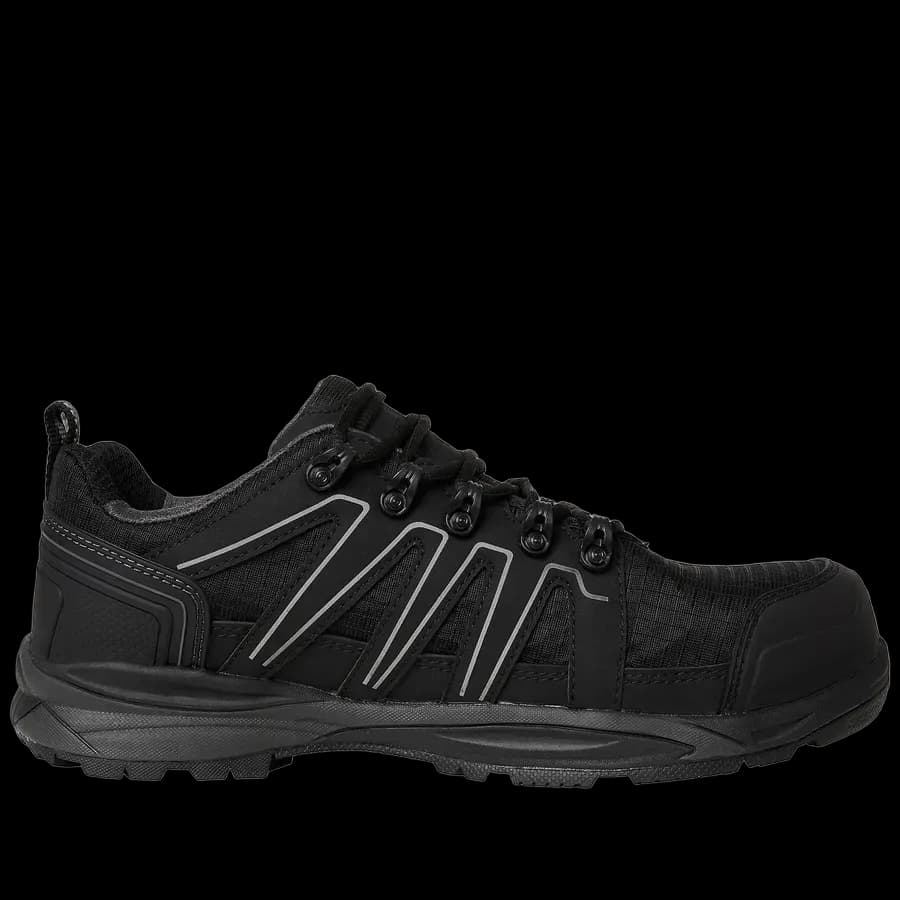
Helly Hansen Manchester Low
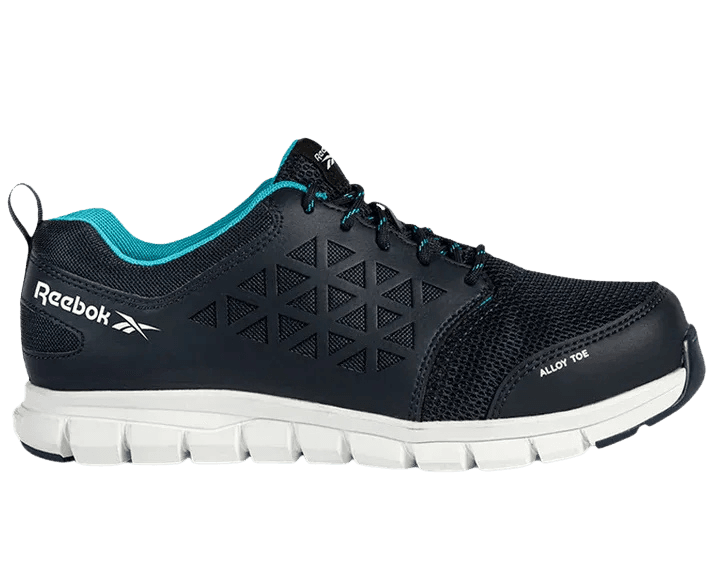
Reebok L131 Navy ladies
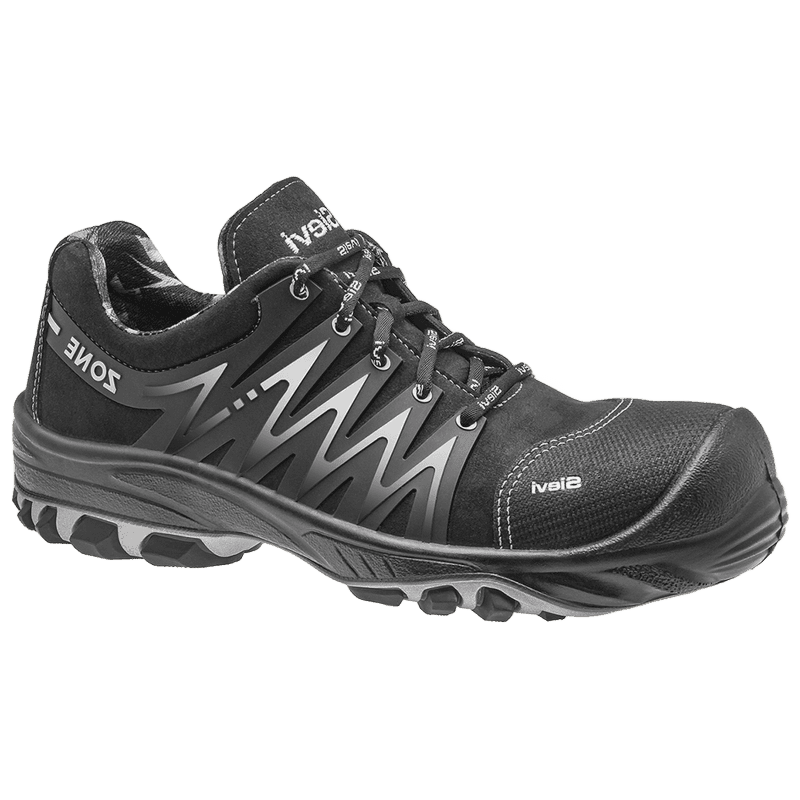
Sievi Zone 2+ Low
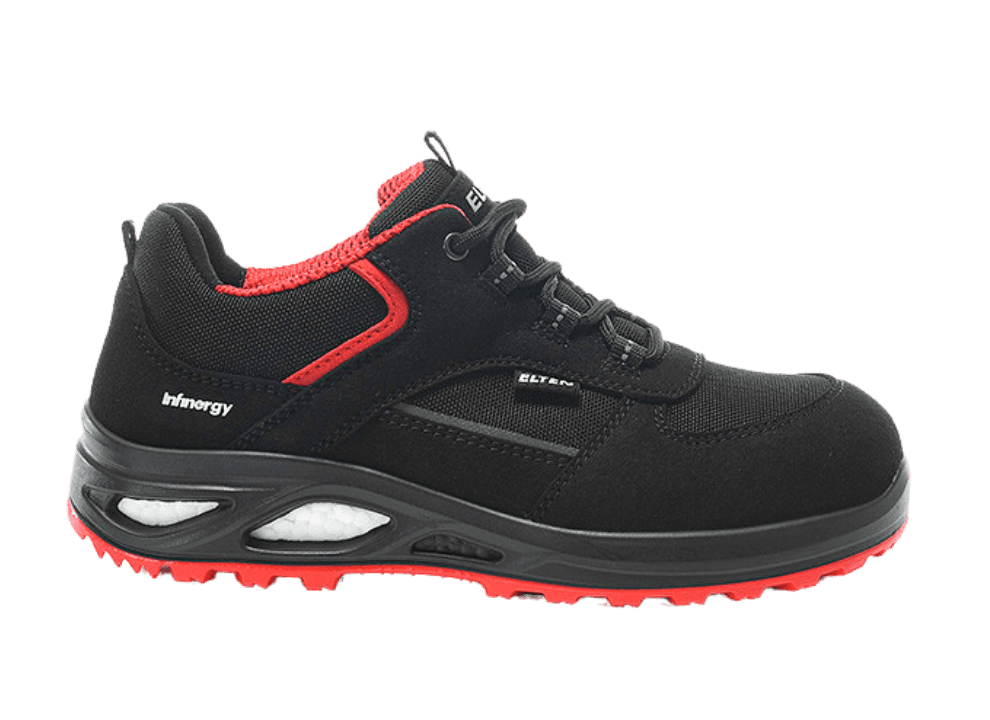
Elten Hannah xxtl black red Low

Puma Iconic Suede Navy Low
%2520(1).png&w=3840&q=75&dpl=dpl_7woY1gC9nkSrxC7yf3EQq6bqMKLD)
Reebok Fusion Flexweave Work 1076
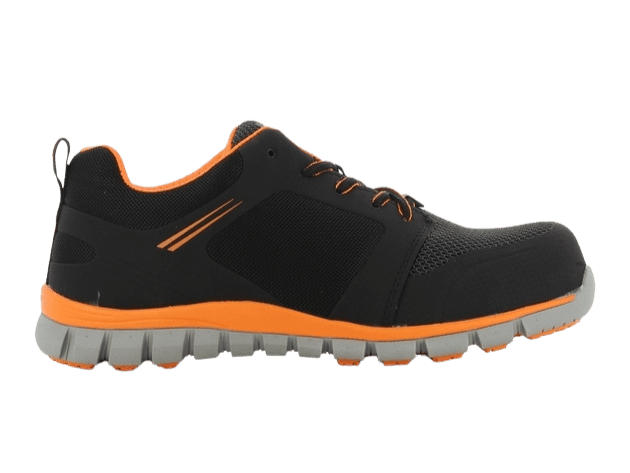
Safety Jogger Ligero Orange
Why choose low work shoes?
Which safety class do I need: S1P or S3?
Sporty and lightweight models for all day long
Who are low safety shoes most suitable for?
Frequently asked questions about Low work shoes
The main difference is the ankle support. High work shoes provide more stability and protection for the Achilles tendon, which is nice on uneven terrain. Low work shoes offer more freedom of movement and ventilation, making them ideal for indoor work, transport, and tasks where you need to kneel a lot.
That depends on the classification. If you choose an S3 classification, the shoe is water-repellent (for about 60 minutes in wet conditions). If you have an S1 or S1P shoe, these are not water-repellent and are mainly intended for dry working conditions.
In many cases, yes, but pay attention to the certification. If you replace the original insole with your own, the official safety certification of the shoe may become void (because the space at the toe changes). Look for models that are certified for orthopedic adjustments or contact us for advice.