
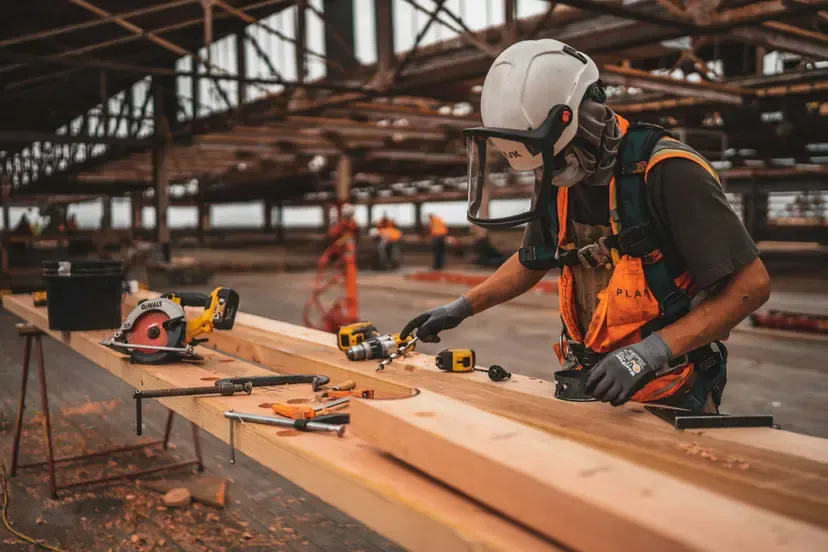
Construction Workers
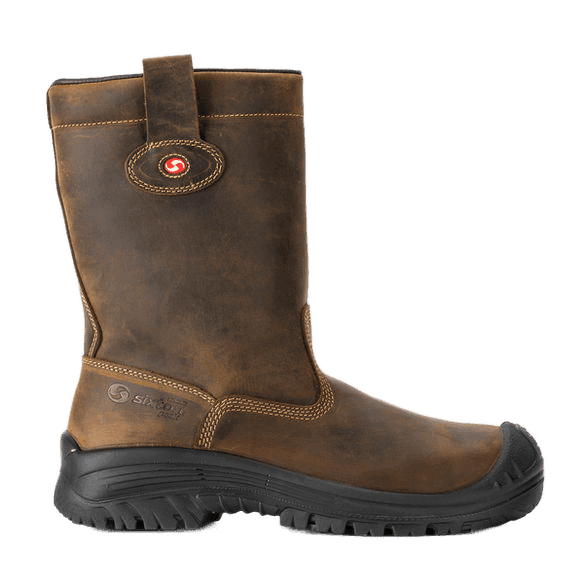
Sixton Montana Airplus 3D Brown
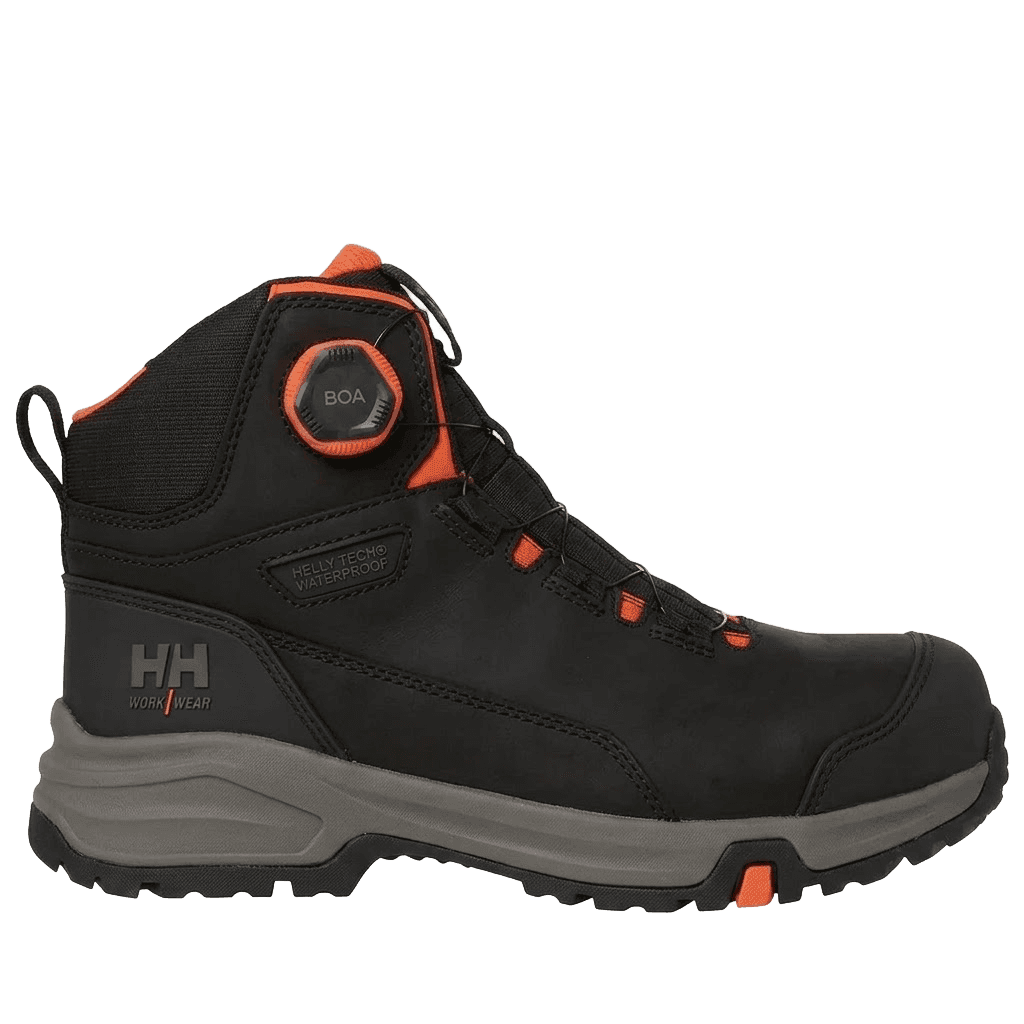
Helly Hansen Manchester LTR Mid BOA

Which work shoesuits you?
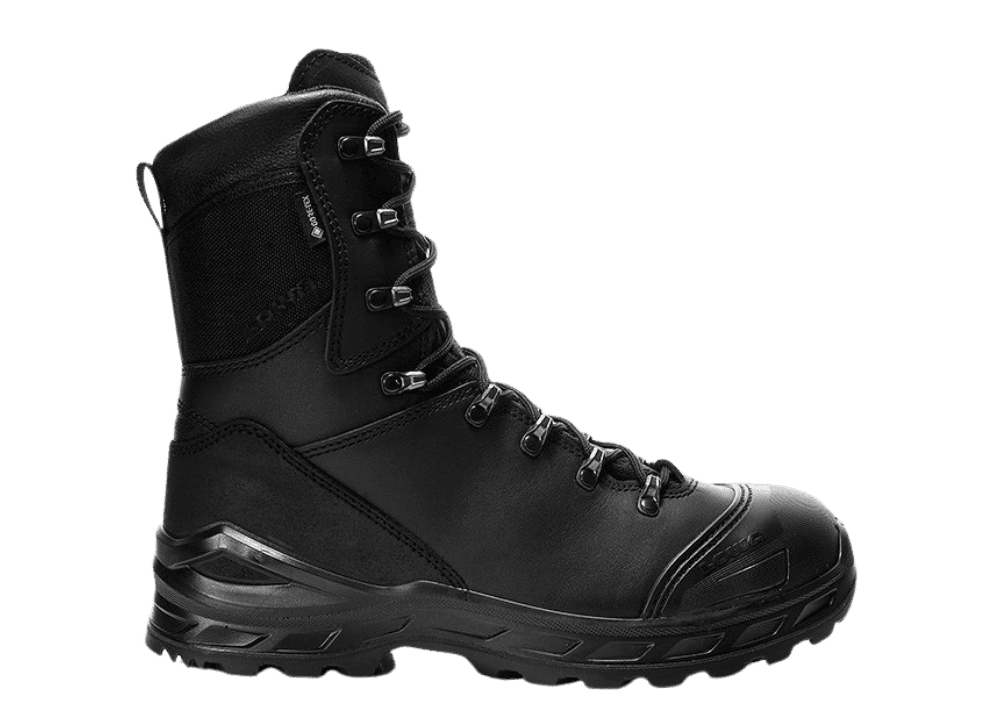
Lowa Seeker work lx pro gtx
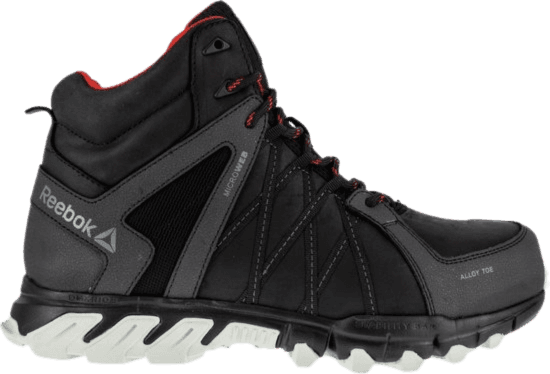
Reebok Trail Grip 1052
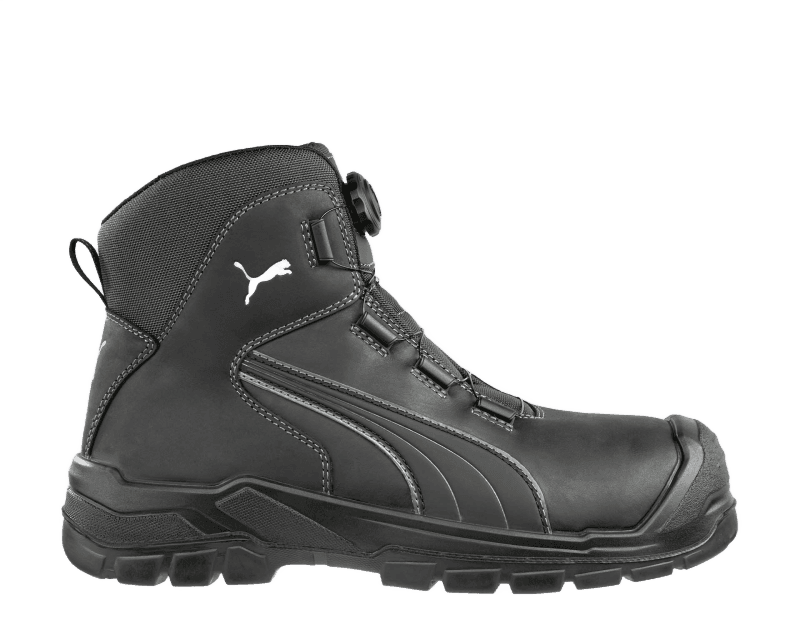
Puma Cascades DISC Mid 630211 S3
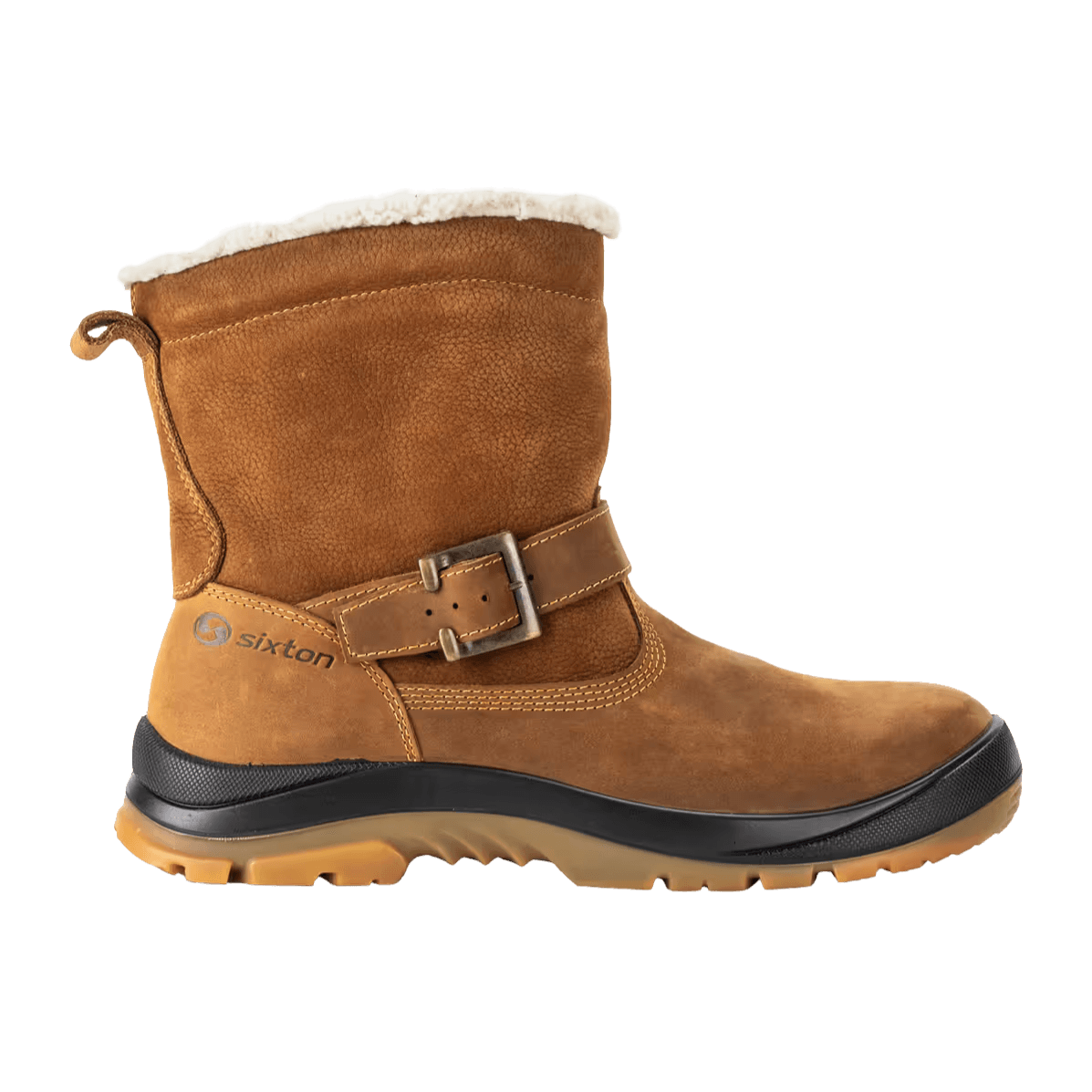
Sixton Moena Rust Brown Wool
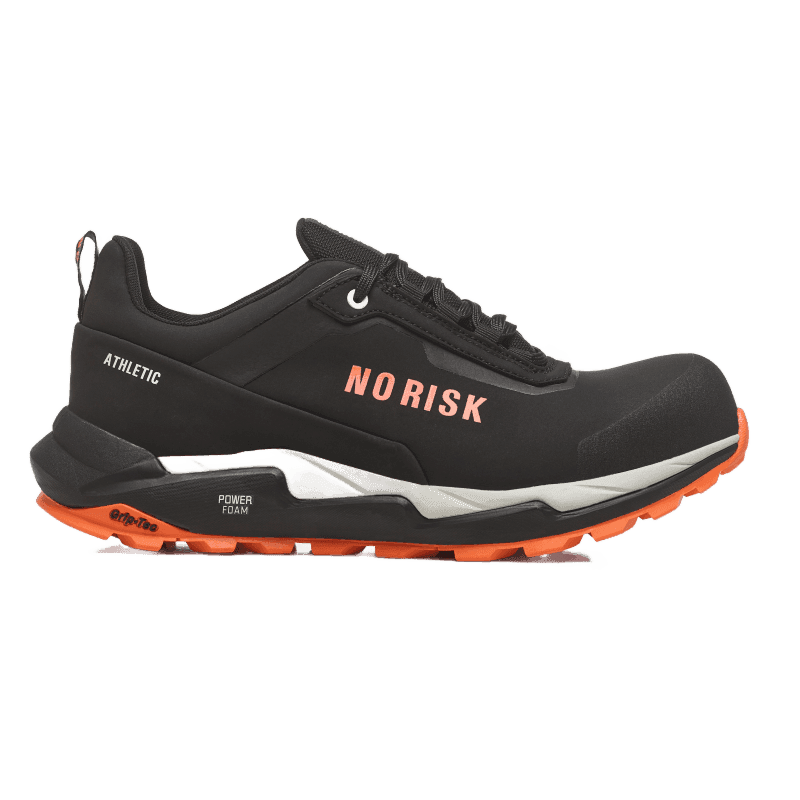
No Risk Athletic Low STX Orange
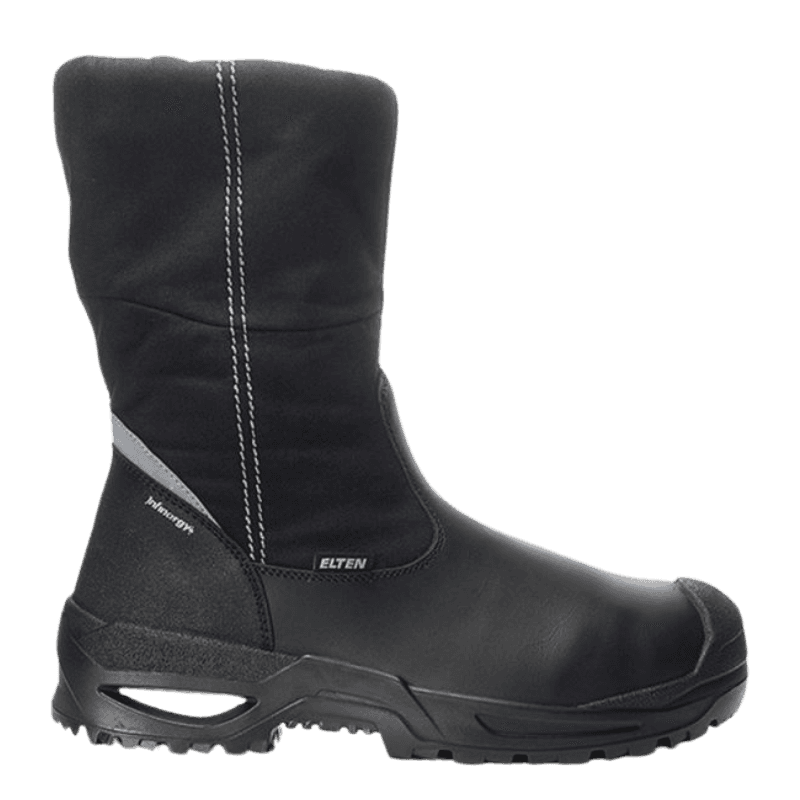
Elten Alberto xxsg
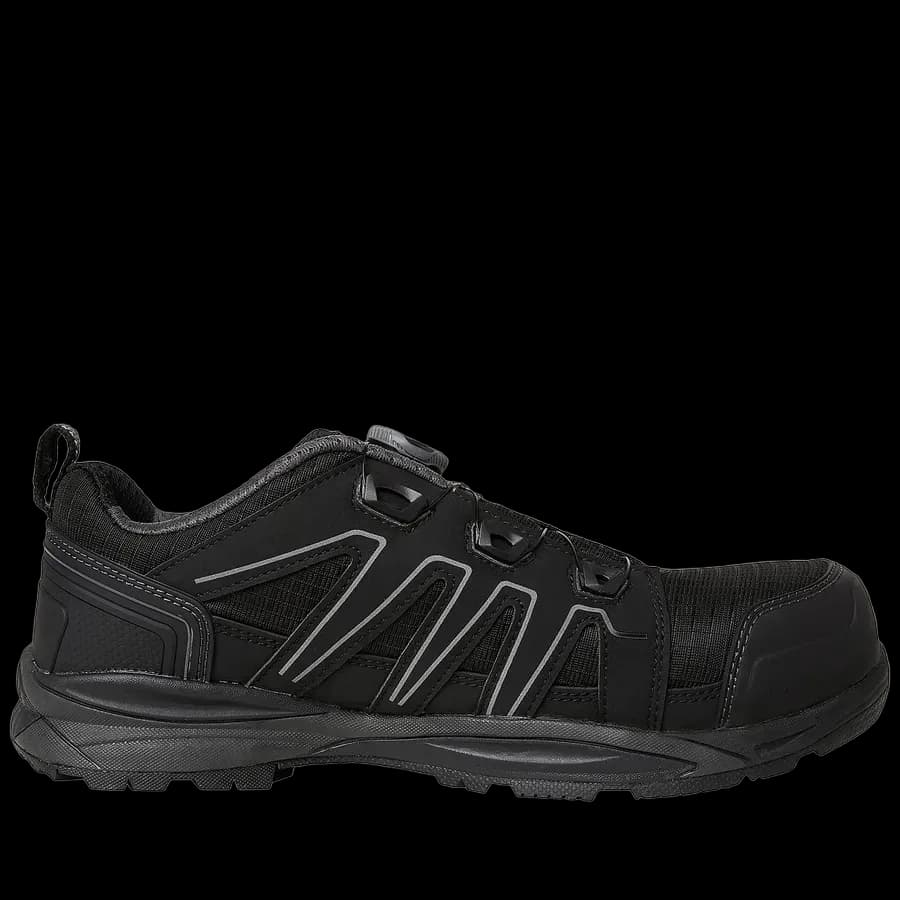
Helly Hansen Manchester Low BOA
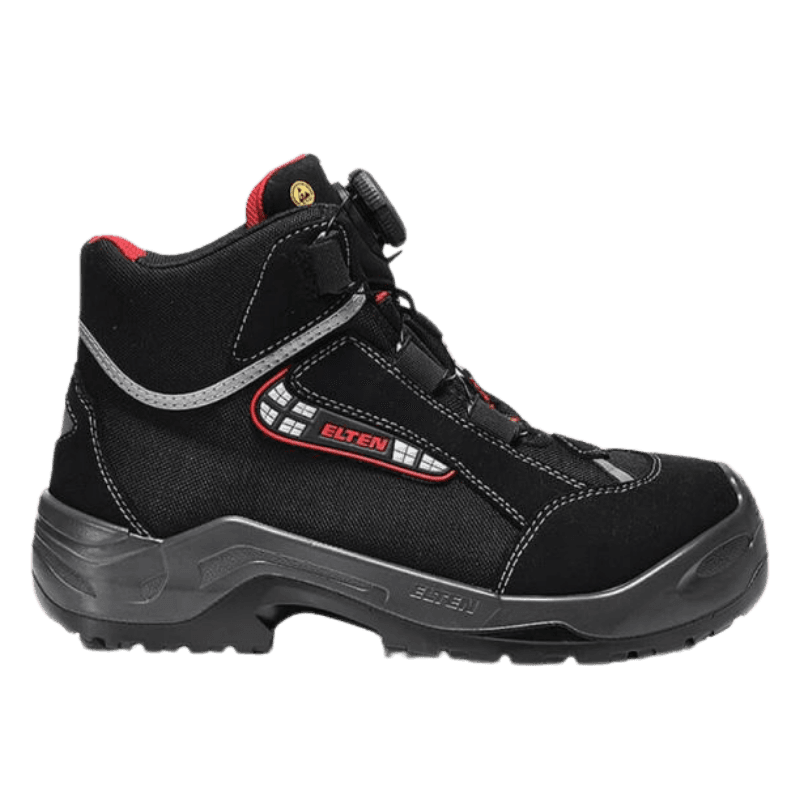
Elten Sander boa
Why S3 safety shoes in construction?
S1, S2 or S3: quick comparison
Class | What it means (practically) | When handy on the construction site |
|---|---|---|
S1 | Basic protection with safety toe (dry environment, no requirements for water resistance). | Only for relatively dry, clean work AND if the site allows it. |
S2 | Like S1, plus requirements for waterproofing/water absorption of the upper (but without penetration protection). | For wetter work, but less suitable if you risk nails/sharp debris. |
S3 | Like S2, plus penetration protection and a profile sole for grip. | Common choice for construction sites and (outdoor) ground work. |
Requirements for safety shoes on the construction site
Practical checklist (what to pay attention to)
- Toe protection: against falling stones, tiles, tools.
- Penetration protection: important for nails, rebar, screws, and debris (think S3).
- Grip: coarse profile for wet boards, mud, sand, and slopes.
- Water resistant: handy in rain, wet concrete, puddles, and trenches (also look at waterproof safety shoes).
- Comfort: sufficient cushioning and fit (especially if you walk, step, or kneel a lot).
Safety shoes by construction profession
Carpenter
- Focus on: S3, grip sole, comfort for lots of steps.
Mason
- Focus on: S3, water-resistant upper, sturdy sole with grip.
Paver
- Focus on: S3 (or boot-like if you stand a lot in wet sand/mud), coarse profile, ankle support.
- If a project requires S3/S5: check the site rules; some guidelines specify S3 or S5 as the required class.
Recommended safety shoes for construction workers
- Are you unsure between sporty or classic: sporty models can be fine, as long as the standards and site rules are correct (always check the safety class and requirements).
Frequently asked questions about Construction Workers
That depends on the risks at your project and the site rules. On many construction sites, safety shoes are part of the basic PPE and are mandatory.
Not always, but S3 is often required because it provides extra protection against penetrating materials and gives you better grip. Always check what your client or construction site specifies.
Yes, as long as they meet the appropriate safety standards and the construction site allows them. Pay extra attention to sufficient grip, ankle stability, and protection against penetrating objects.
It varies greatly depending on use, but on construction sites, soles and toes often wear out faster due to debris, wet conditions, and a lot of walking. Replace them as soon as grip, fit, or protection clearly deteriorate or if there is visible damage.